

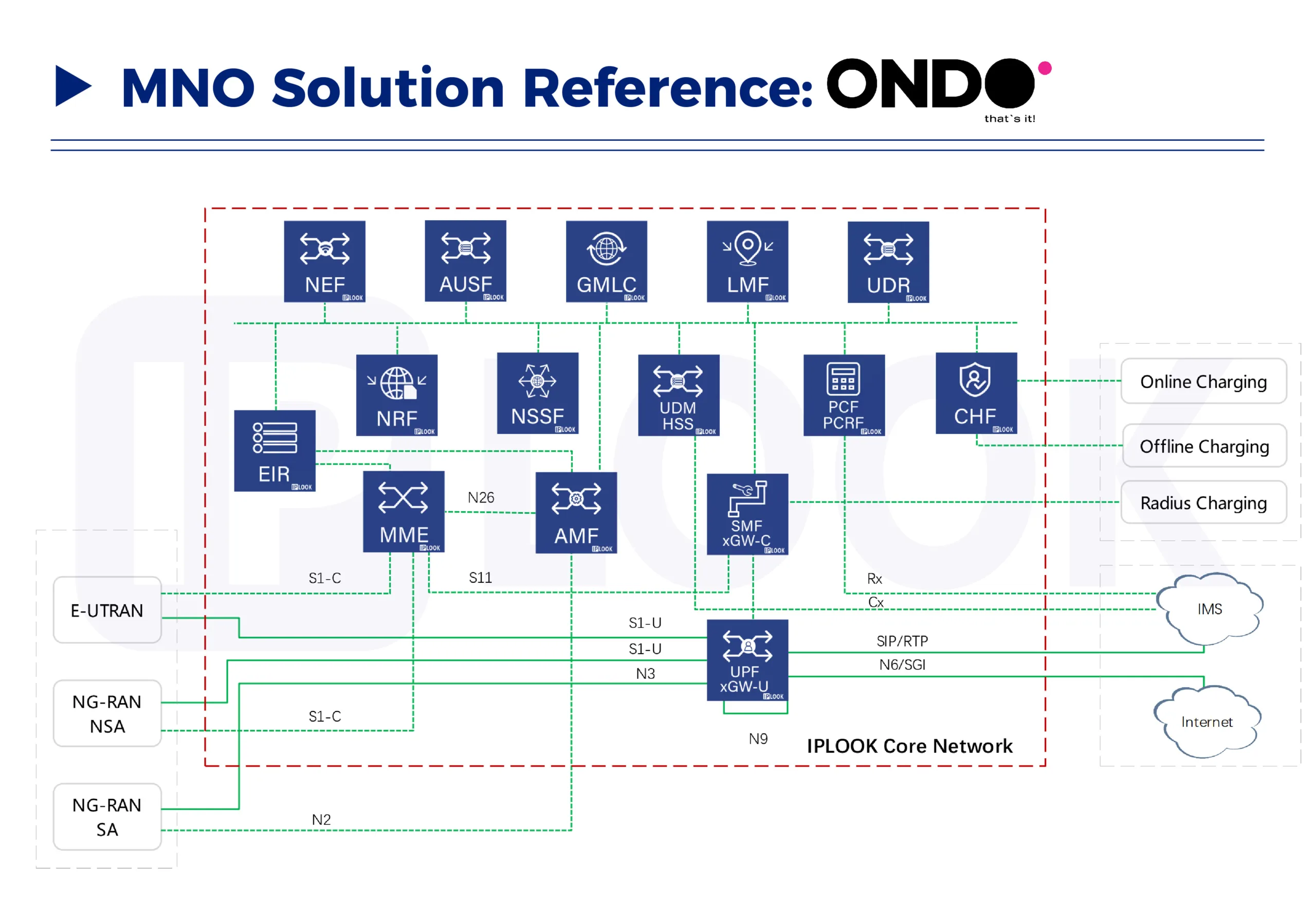
ONDO LLC (IN Mobile) - Mongolia
IPLOOK provides 4G network services (Data, VoLTE, SMS) for IN Mobile to cover the capital area in Mongolia.
Interconnects with ZTE Macro eNodeBs and Baicells small cells.
Supports 200,000 connections, 500,000 capacity, 50Gbps throughput.
Plans to adopt IPLOOK IMS and SBC.
Advantages:
Utilizes pooled MME, SGW, PGW, and primary/standby HSS and PCRF.
LTC Mobile - Liberia
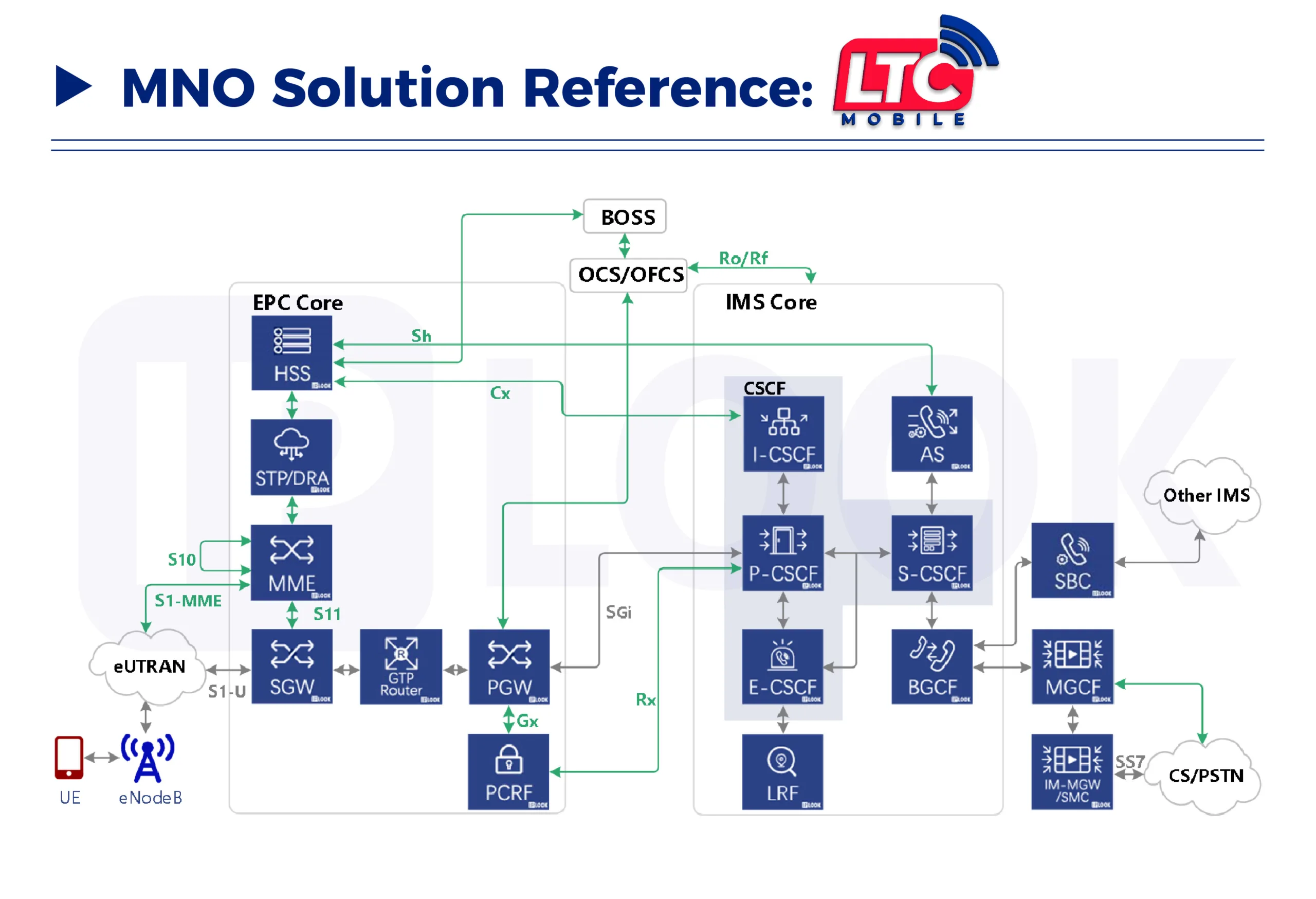
IPLOOK offers EPC, IMS and billing function for LTC to launch 4G mobile services in 2021.
Offers high-quality and affordable 4G Data, VoLTE services and reliable customer experience to all Liberians.
Supports 100,000 connections, 1 million capacity, 80Gbps throughput.
Advantages:
Cost effective, customizable solution.
Acclinks - Kiribati
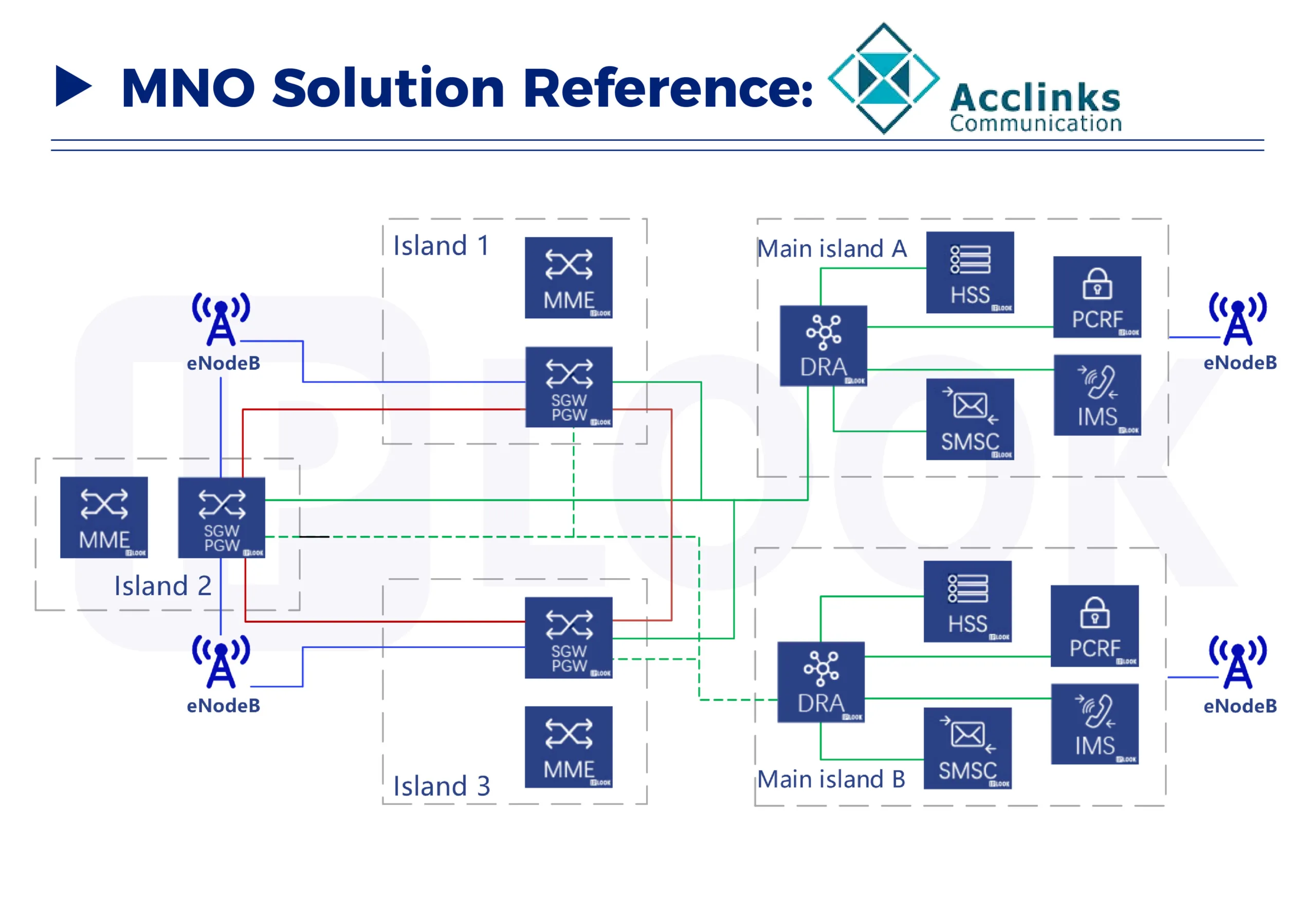
IPLOOK provides a carrier-grade EPC and IMS platform for Acclinks on Pacific Islands.
Offers pure 4G services, VoLTE, CSFB, SMS, 5G. Plans to complete on-site provision of services phase by phase.
Supports 100,000 connections, 500,000 capacity, 50Gbps throughput.
Ensures high-quality network services with long latency transmission environment.
Advantages:
Resource pools and 1+1 redundant backups.
Sabafon - Yemen
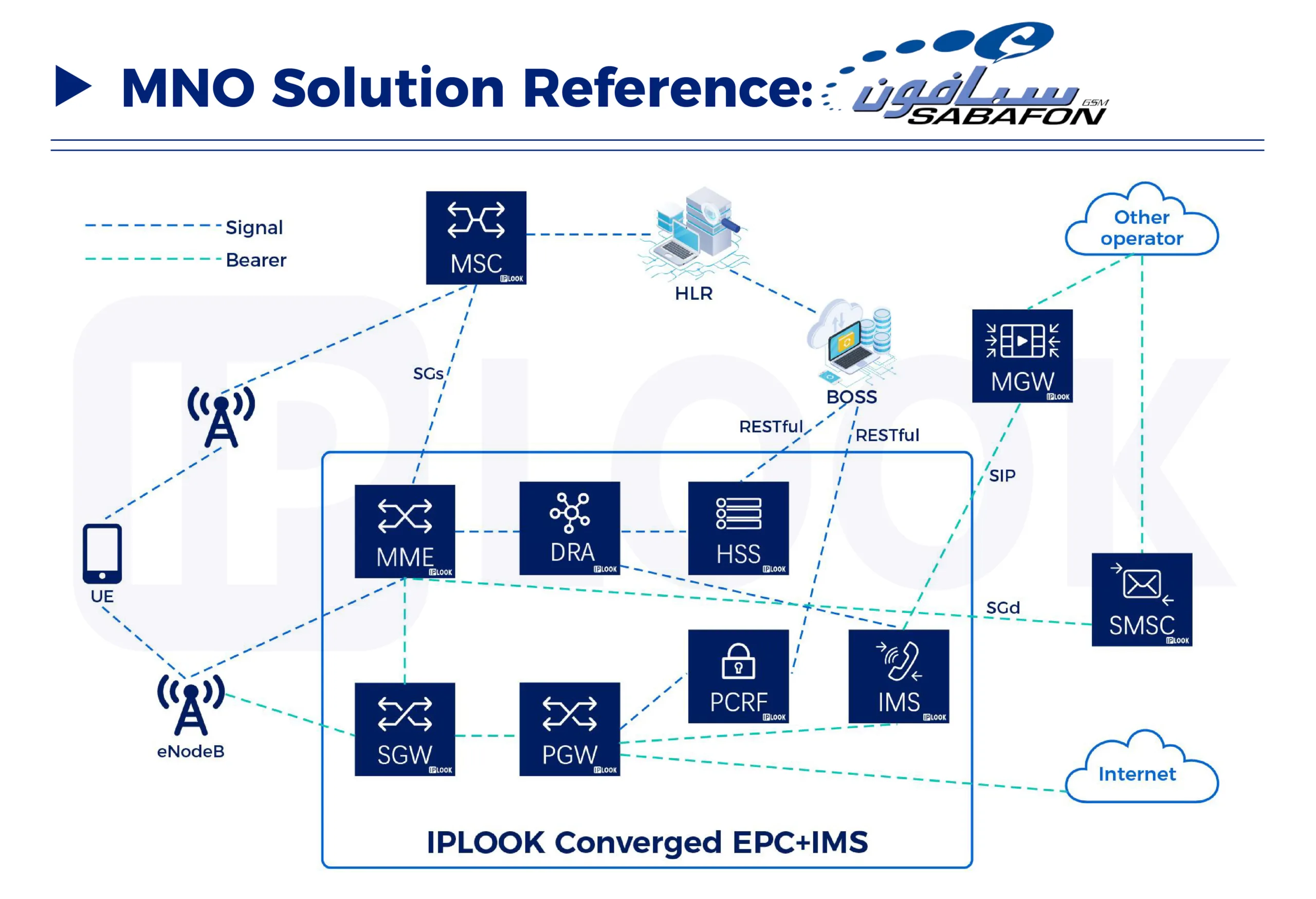
Yemen’s leading operator, with a converged EPC + IMS disaster-recovery solution.
Supports smooth evolution across 2G/3G/4G multi-RAT networks.
Unified HSS/HLR for intelligent management of 2G/3G/4G subscribers.
Millisecond-level lossless handover with seamless CS voice ↔ VoLTE interworking.
Seamless MSC/PCRF compatibility, reducing deployment costs by 40%.

ONDO LLC (IN Mobile) - Mongolia
IPLOOK provides 4G network services (Data, VoLTE, SMS) for IN Mobile to cover the capital area in Mongolia.
Interconnects with ZTE Macro eNodeBs and Baicells small cells.
Supports 200,000 connections, 500,000 capacity, 50Gbps throughput.
Plans to adopt IPLOOK IMS and SBC.
Advantages:
Utilizes pooled MME, SGW, PGW, and primary/standby HSS and PCRF.
LTC Mobile - Liberia
IPLOOK offers EPC, IMS and billing function for LTC to launch 4G mobile services in 2021.
Offers high-quality and affordable 4G Data, VoLTE services and reliable customer experience to all Liberians.
Supports 100,000 connections, 1 million capacity, 80Gbps throughput.
Advantages:
Cost effective, customizable solution.
Acclinks - Kiribati
IPLOOK provides a carrier-grade EPC and IMS platform for Acclinks on Pacific Islands.
Offers pure 4G services, VoLTE, CSFB, SMS, 5G. Plans to complete on-site provision of services phase by phase.
Supports 100,000 connections, 500,000 capacity, 50Gbps throughput.
Ensures high-quality network services with long latency transmission environment.
Advantages:
Resource pools and 1+1 redundant backups.
Sabafon - Yemen
Yemen’s leading operator, with a converged EPC + IMS disaster-recovery solution.
Supports smooth evolution across 2G/3G/4G multi-RAT networks.
Unified HSS/HLR for intelligent management of 2G/3G/4G subscribers.
Millisecond-level lossless handover with seamless CS voice ↔ VoLTE interworking.
Seamless MSC/PCRF compatibility, reducing deployment costs by 40%.