Our High-Performing Core Network
Fully virtualizable on VMware, K8S, Docker and OpenStack containers
Unstructured Supplementary Service Data(USSD)
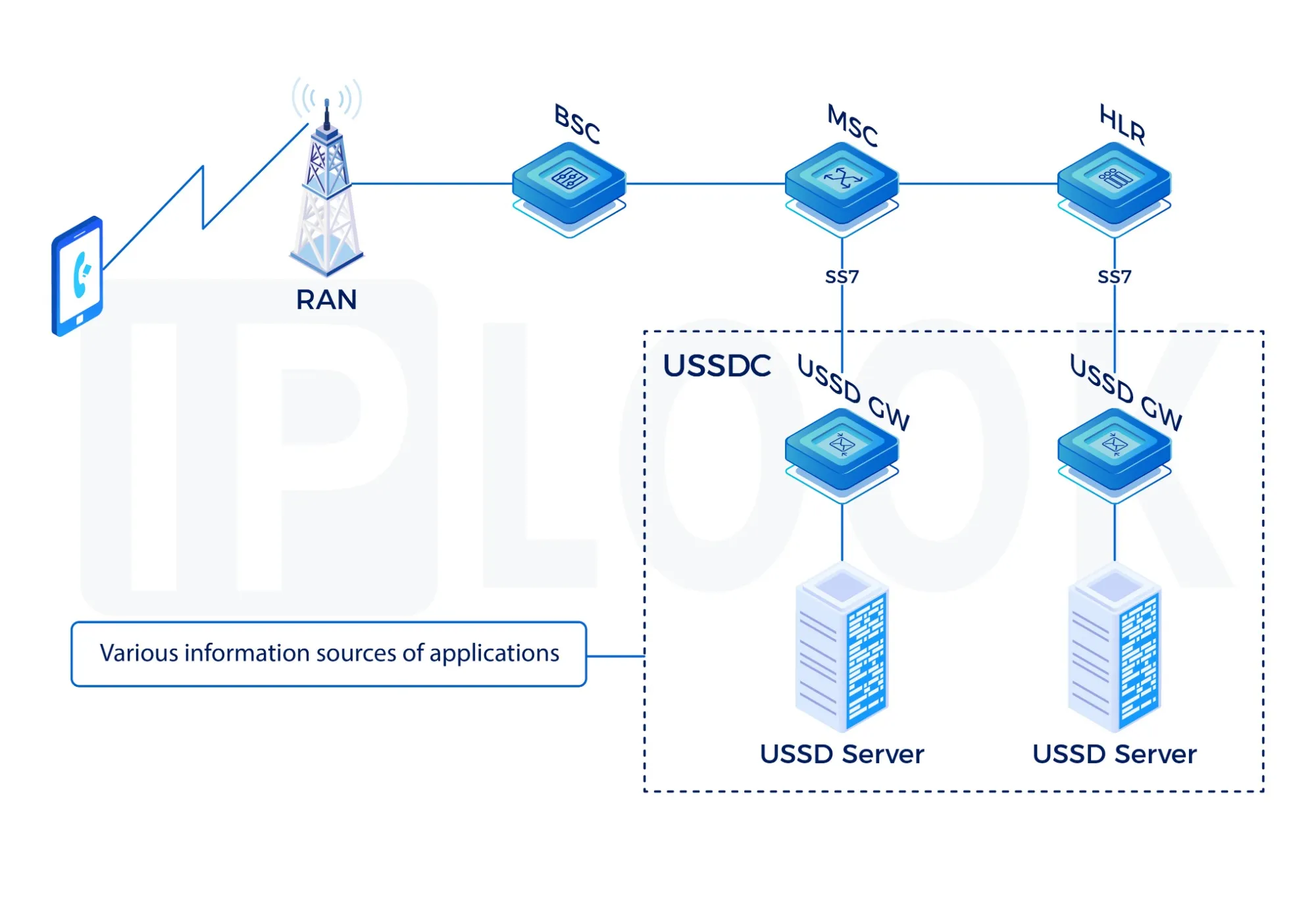
The USSD (Unstructured Supplementary Service Data) network element is a critical component in mobile communication networks, enabling fast, interactive communication between users and operator systems. It transmits data over GSM networks in a session-based format, typically using commands like *123#, allowing users to access services without an internet connection.
As the core of the USSD platform, the USSD network element is responsible for parsing, routing, and processing USSD requests. It is commonly used in scenarios such as balance inquiries, plan subscriptions, mobile payments, and banking services. Compared to SMS, USSD offers faster response times, real-time interaction, and requires no message storage, making it ideal for high-interactivity services.
Key Benefits

No internet connection required

Low-cost implementation

Wide device compatibility

Instant feedback response

User-friendly

High security guarantee
USSD Solution
- Our USSD network element solution is specifically designed to meet the high-efficiency interaction needs of industries such as banking and telecommunications. It provides real-time communication capabilities and flexible scalability options.
- Real-time interaction through instant data transmission greatly enhances customer satisfaction and efficiency; the modular design supports flexible expansion, adapting to various business needs and market changes; high compatibility ensures smooth operation across a variety of mobile devices and network environments; enhanced security through multi-layered security measures, such as data encryption and access control, ensures comprehensive protection of user data.
Features
Conversation Management Capability
Conversation Information Storage Capability
USSD User Authentication: Verify the identity of the calling user to determine if they belong to the USSD center
Message-level Billing: Generate a call record for each message and add a field to indicate whether the message is chargeable
Service Access Code Authentication: Verify the legitimacy of USSD services initiated by the application service side based on the service access code
Application Management Capability: Provide various application interfaces and connect with different application centers, such as stock exchanges, banks, email servers, etc., establishing a mapping relationship between service access codes and application services
Service Transfer Function: Transfer the USSD session from one USSD service to another by severing the call branch between the USSD center and the USSD service application, and transfer to a new service application specified by the service access code, after which the USSD session continues
FAQ
What is USSD and how does it work?
USSD (Unstructured Supplementary Service Data) is a session-based communication technology used in GSM mobile networks that enables users to interact with operator systems using short codes such as *123#. Unlike SMS, USSD provides real-time, two-way communication without requiring an internet connection or message storage.
What are the main advantages of USSD compared to SMS or mobile apps?
USSD offers instant response times, lower operational costs, broad device compatibility, and does not require smartphones or internet access. This makes it highly effective for interactive services in regions with limited data connectivity or large feature phone user bases.
Which industries commonly use USSD services?
USSD is widely used in telecommunications, banking, mobile payments, financial services, utilities, transportation, and government services. Typical applications include balance inquiries, airtime top-ups, plan subscriptions, account management, authentication, and mobile banking transactions.
How does IPLOOK’s USSD solution improve customer experience?
IPLOOK’s USSD platform enables fast, real-time interactions with minimal latency, allowing users to quickly access services and receive immediate feedback. Its session-based architecture improves user engagement and operational efficiency for high-interactivity services.
Does the USSD platform support integration with external applications?
Yes. The solution supports flexible application integration through various interfaces and can connect with external systems such as banks, payment platforms, stock exchanges, email servers, and telecom application centers. It also supports mapping between service access codes and backend application services.
What security features are included in the USSD solution?
The platform includes multi-layer security mechanisms such as user authentication, service access code verification, access control, and data protection features. These capabilities help secure sensitive transactions and ensure reliable communication between users and service providers.
Can the solution support large-scale telecom deployments?
Yes. IPLOOK’s USSD solution is designed with modular and scalable architecture, allowing operators to expand capacity and services based on business growth. It supports high-volume concurrent sessions and adapts to changing market and service requirements.
What management and operational functions are included?
The platform supports conversation management, session storage, message-level billing, service transfer functionality, and application management capabilities. Operators can manage multiple USSD services efficiently while maintaining flexible routing and service continuity across different applications and network environments.