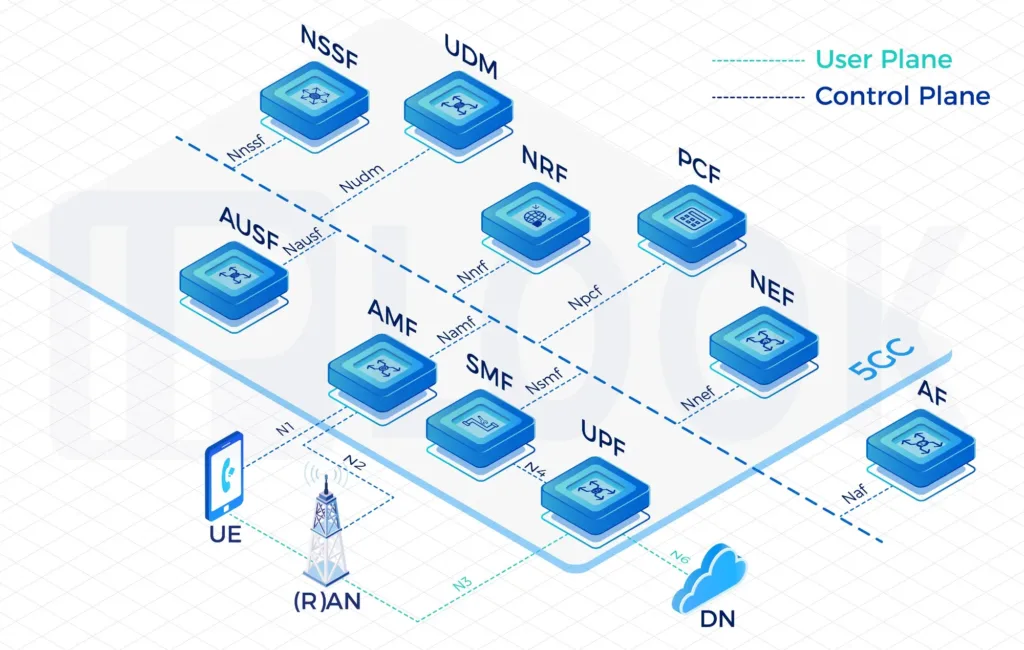
Our High-Performing Core Network
Fully virtualizable on VMware, K8S, Docker and OpenStack containers
Security Edge Protection Proxy(SEPP)
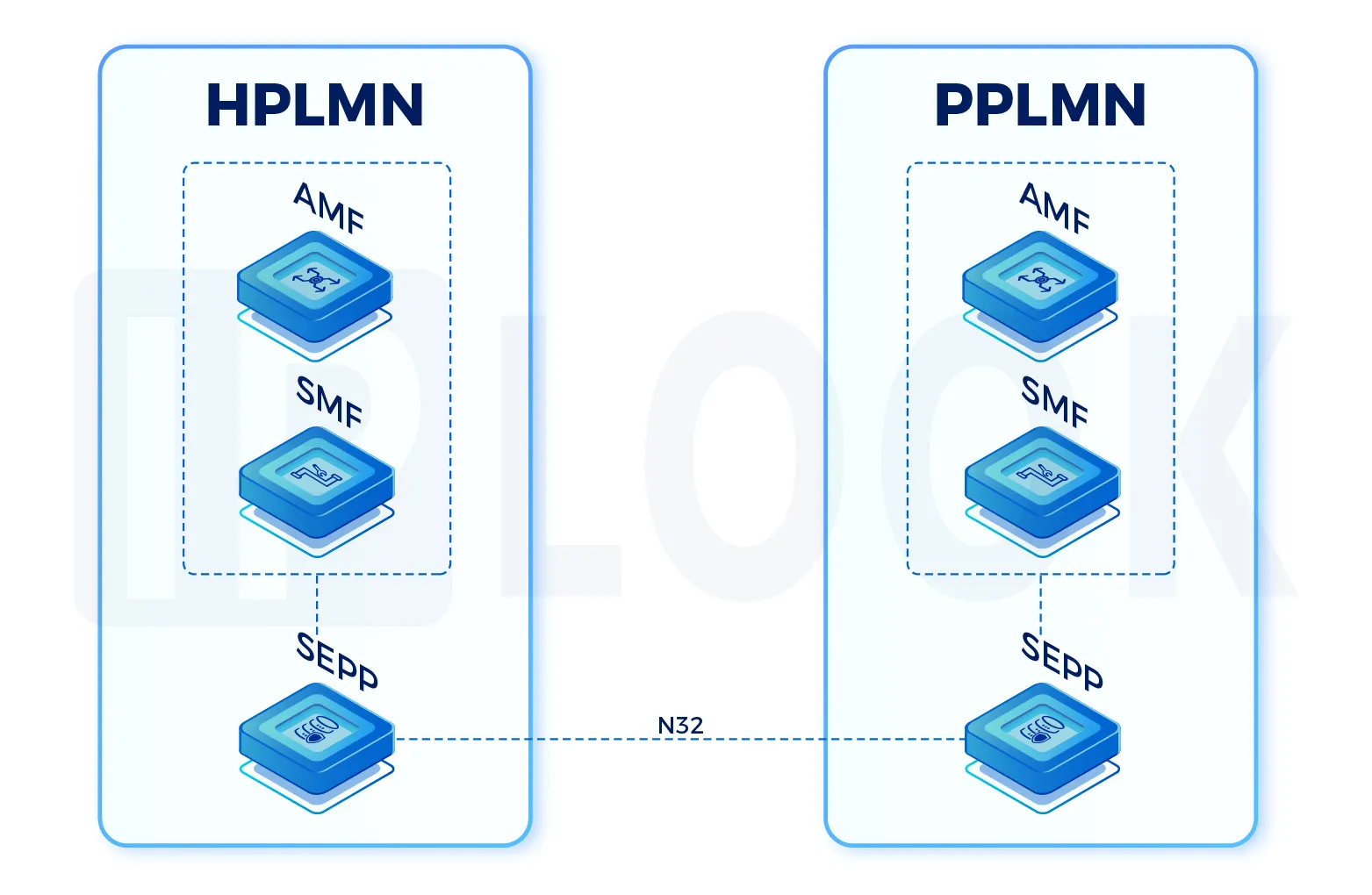
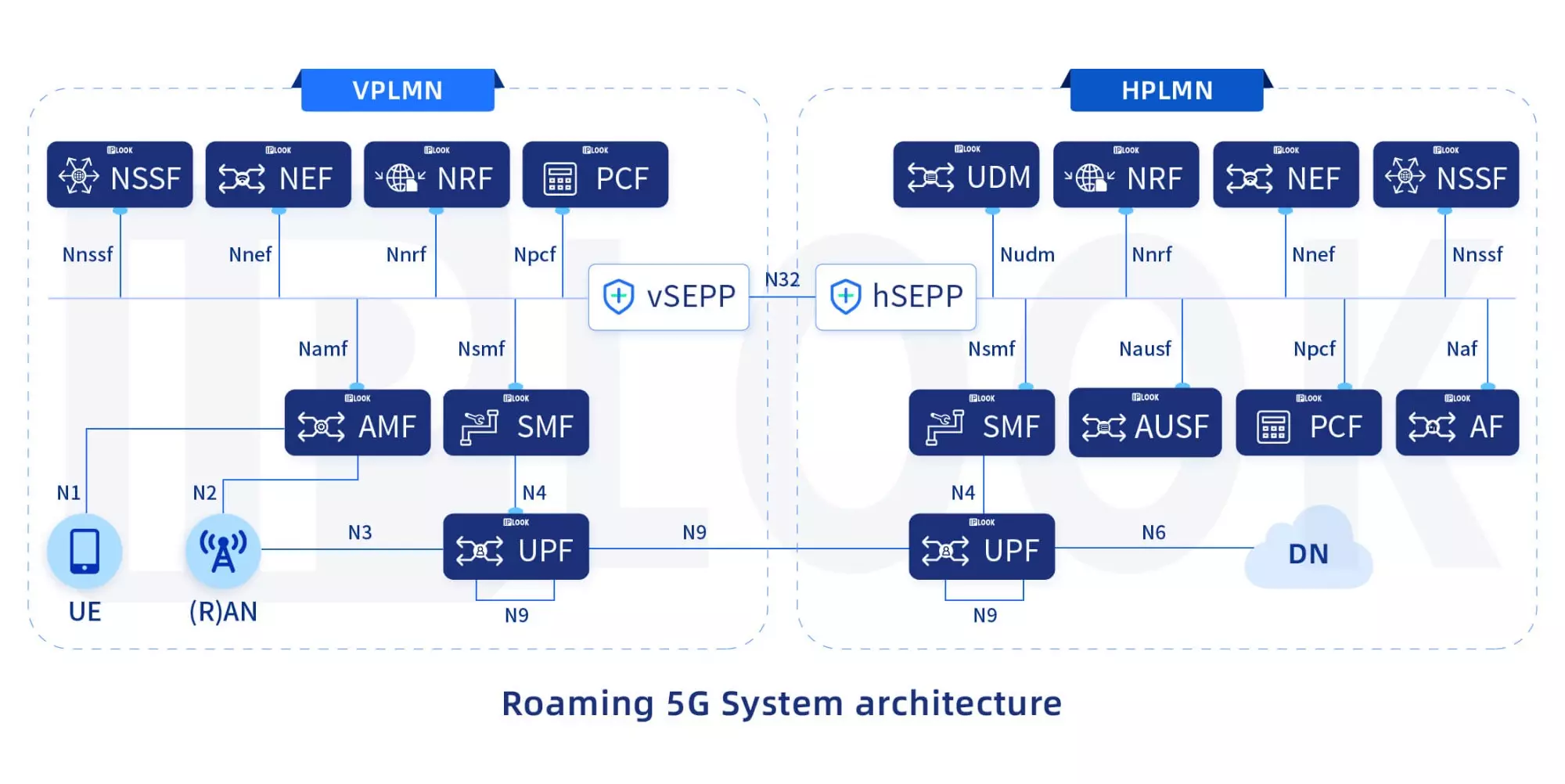
SEPP (Security Edge Protection Proxy) is a key element in 5G core networks, enabling secure and trusted communication across operator boundaries. It plays a vital role in supporting 5G roaming and inter-PLMN interoperability by safeguarding control-plane signaling between networks.
Positioned at the edge of the operator’s core network, SEPP filters, mediates, and protects signaling messages exchanged with partner operators. Through the standardized N32 interface, SEPP applies encryption, integrity protection, and policy enforcement to ensure signaling confidentiality and trust.
Key Benefits

A fully software-based solution by design

Centralized and standardized IT integration

Easy to operate with standardized processes across domains

Centralized and standardized utilization of common network functions

Single capacity license with flexible traffic allocation across supported protocols

Built-in support for interworking and interoperability
IPLOOK's SEPP For MNO roaming between standalone 5G cores (5GC)
- The IPLOOK SEPP enables operators to achieve end-to-end confidentiality and integrity for designated message elements between the source and destination networks. It offers unique flexibility through an extensive, integrated set of routing and service creation capabilities. It supports the relevant standards as well as HTTP/2-based signaling scenarios.
- The IPLOOK SEPP is a purpose-built, single-engine software product – not an afterthought, project, or patchwork solution. It enables operators to consolidate network functions, operations, management, and licenses.
Video Series
Features
Support for the N32-f and N32-c interfaces
On-board session database key negotiation
Support for Transport Layer Security (TLS)
Support for security key management and lookup
Supports message modification instruction inclusion via the JSON PATCH method
Support for remote SEPP authorization and authentication
Support for topology hiding
Support for load balancing
Support for egress/ingress limitation
Optional (on-board) support for:
- IPLOOK Steering Of Roaming (SoR)
- IPLOOK SS7 Firewall (SS7FW)
- IPLOOK Diameter Firewall (DFW)
- IPLOOK Number Portability (NP)
- IPLOOK Equipment Identity Register (EIR)
- IPLOOK Diameter Signaling Controller (DRA, DEA, IWF)
- IPLOOK 5G Service Communication Proxy (SCP)
- IPLOOK 5G Security Edge Protection Proxy (SEPP)
On-board non-volatile database for key repository and storage
Powerful any-to-any interworking across all supported protocols (including SS7, Diameter, RADIUS, HTTP, LDAP, ENUM, etc.)
Single-view reporting, GUI-based management, and provisioning
Flexible licensing across all supported protocols, not just HTTP/2
Support for PRINS (Protocol for N32 Interconnect Security, JWE/JWS) – ongoing standardization developments in progress
Support for malformed N32 message detection
Support for anti-spoofing mechanisms
Support for high-availability and geo-redundant deployment models
Full GUI-based signaling orchestration and system management with configurable service logic – no scripting or development needed

FAQ
What is the primary role of a SEPP in a 5G Core (5GC) network?
The Security Edge Protection Proxy (SEPP) acts as a non-transparent proxy at the edge of the 5G Core network. Its primary role is to secure inter-PLMN (Public Land Mobile Network) roaming by protecting the control-plane signaling messages exchanged via the N32 interface. It ensures that sensitive data remains encrypted and untampered with as it travels between different mobile operators.
How does IPLOOK’s SEPP ensure end-to-end security for 5G roaming?
IPLOOK’s SEPP provides a robust security layer through:
- Encryption & Integrity: Utilizing Transport Layer Security (TLS) and supporting the PRINS protocol (JWE/JWS) for secure interconnect.
- Topology Hiding: Concealing the internal structure of the operator's core network from external entities.
- Anti-Spoofing & Detection: Built-in mechanisms to detect malformed N32 messages and prevent signaling fraud.
Why should decision-makers choose a "purpose-built" SEPP over a generic signaling solution?
Unlike "patchwork" or "afterthought" solutions, IPLOOK’s SEPP is a purpose-built, single-engine software product. For a CTO or Network Architect, this means:
- Lower Complexity: Avoids the integration headaches of stacking multiple legacy products.
- Consolidated Operations: Centralizes management, licensing, and reporting into a single view.
- Future-Proofing: Native support for 5G HTTP/2-based signaling ensures compliance with evolving 3GPP standards.
Does the SEPP support interworking with legacy 2G, 3G, and 4G roaming protocols?
Yes. One of the unique strengths of the IPLOOK SEPP is its Any-to-Any interworking capability. It supports powerful signaling orchestration across all major protocols, including SS7, Diameter, RADIUS, HTTP, LDAP, and ENUM. This allows operators to manage legacy roaming and 5G roaming through a unified gateway.
How does the licensing model for IPLOOK SEPP help optimize TCO?
IPLOOK offers a Single Capacity License with flexible traffic allocation. Unlike traditional vendors that charge per-protocol or per-interface, this model allows operators to shift capacity across supported protocols (e.g., from Diameter to HTTP/2) as their network migrates toward 5G Standalone (SA), significantly reducing Total Cost of Ownership (TCO).
Can the SEPP handle high-traffic volumes and ensure network reliability?
Absolutely. The solution is designed for mission-critical environments, supporting:
- Load Balancing: Efficiently distributing signaling traffic to prevent bottlenecks.
- Egress/Ingress Limitation: Protecting the core network from signaling storms or DDoS attacks.
- High Availability (HA): Support for geo-redundant deployment models to ensure 99.999% reliability for roaming services.
What additional network functions can be integrated with the SEPP?
IPLOOK’s SEPP is part of a modular ecosystem. Operators can enable optional "on-board" support for:
- Steering of Roaming (SoR) to optimize roaming partner selection.
- SS7/Diameter Firewalls for comprehensive signaling security.
- Equipment Identity Register (EIR) and Number Portability (NP).
- SCP (Service Communication Proxy) for advanced 5G signal routing.
Is the IPLOOK SEPP easy to manage for IT and Network Operations teams?
Yes. The solution features a Full GUI-based management and provisioning system. It eliminates the need for complex command-line configurations, providing single-view reporting and signaling orchestration. This standardized IT integration ensures that operations teams can monitor and adjust roaming policies with minimal training.