Growth Opportunities for 5G Core Networks in Global and Chinese Markets
Free Whitepaper: Market analysis and strategic pathways for 5G core network deployment across China, Europe, North America, and Asia-Pacific.
Global markets are entering a critical phase of 5G evolution driven by Standalone (SA) adoption, network slicing demand, AI-native infrastructure, and enterprise digital transformation.
Download the full whitepaper
19 pages of market insights, operator case studies, technology trends, and 5G core monetization strategies.

Why operators and investors need this guide?
MNO revenue from traditional consumer connectivity is stagnating, while enterprise digital transformation demands ultra-reliable, low-latency networks that only 5G Standalone (SA) can deliver.
Despite massive 5G radio rollouts, most global operators remain stuck in Non-Standalone (NSA) mode—creating a dangerous “capability–commercialization gap” where infrastructure investment fails to generate new revenue.
China has already deployed over 4.25 million 5G base stations and activated more than 1 billion SA users, accelerating B2B use cases in smart manufacturing, energy, and transport—while Western markets lag due to fragmented regulation, high migration costs, and slow ecosystem maturity.
At the same time, hyperscalers like AWS and Microsoft are entering the core network space through private 5G and MEC partnerships, threatening telcos’ control over edge infrastructure.
Security risks are escalating: cloud-native, virtualized cores expand the attack surface, demanding zero-trust architectures and AI-driven threat detection.
Without a clear roadmap to monetize slicing, MEC, and API-based services, 5G risks becoming another cost center—not a growth engine. This guide delivers the strategic clarity needed to turn 5G core networks into programmable platforms for innovation and profit.
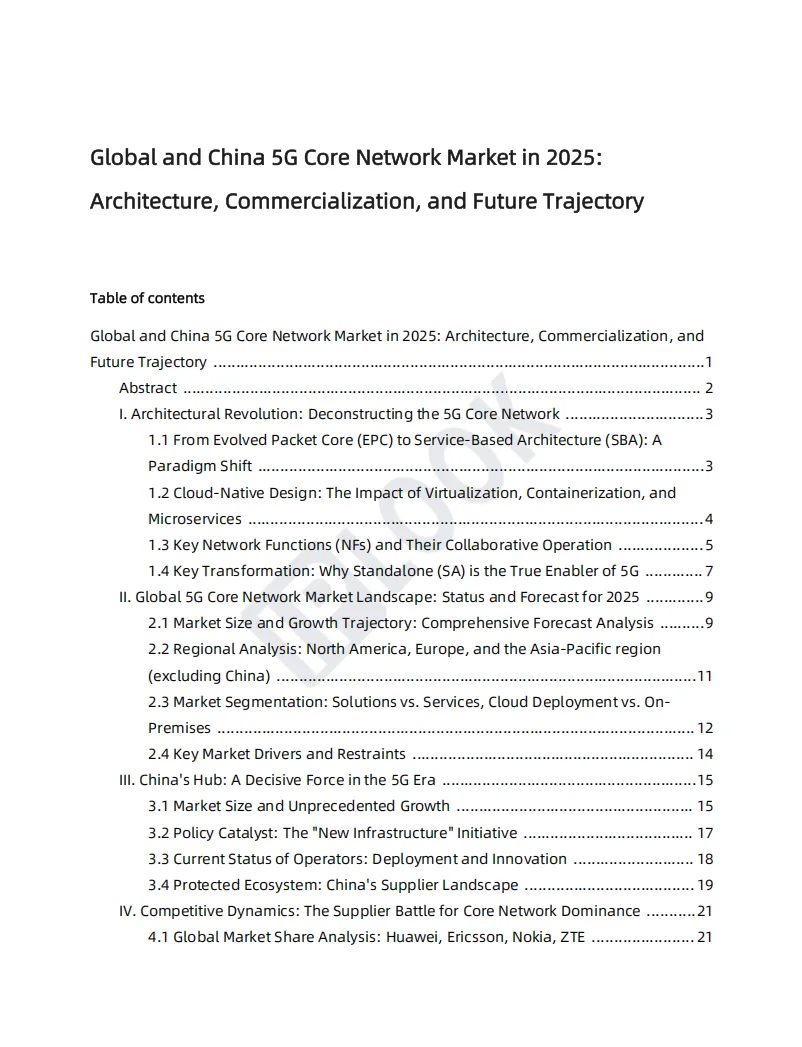
What’s Inside This 5G Core Network Guide
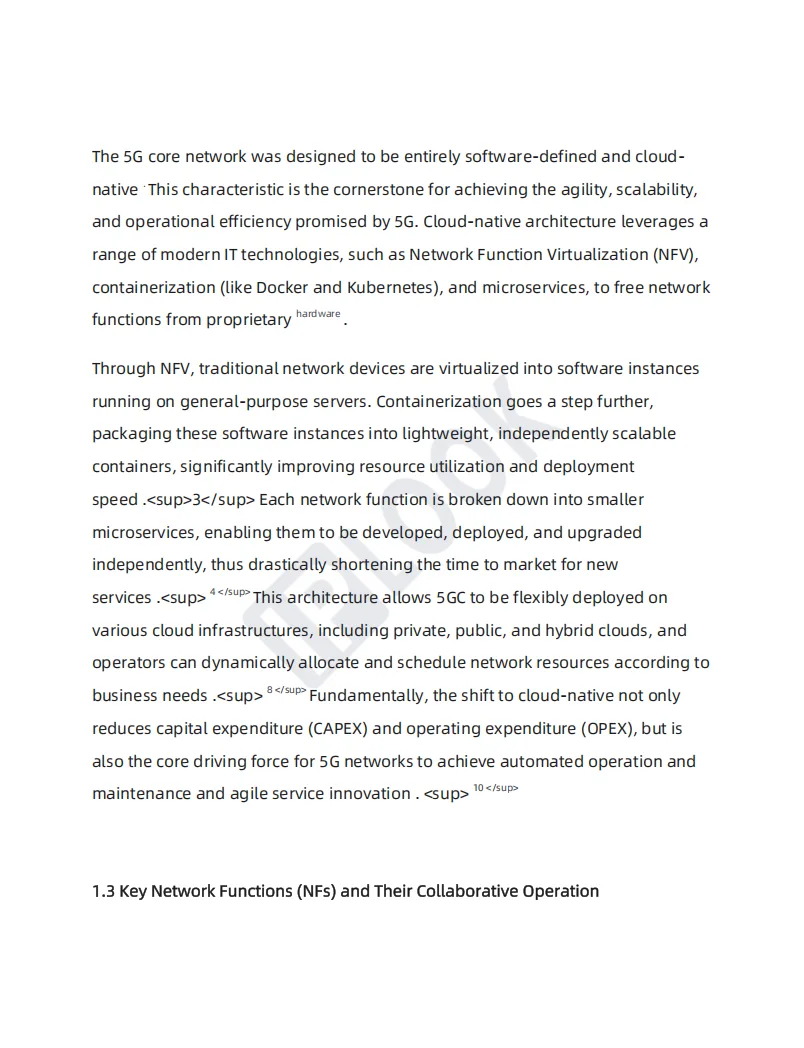
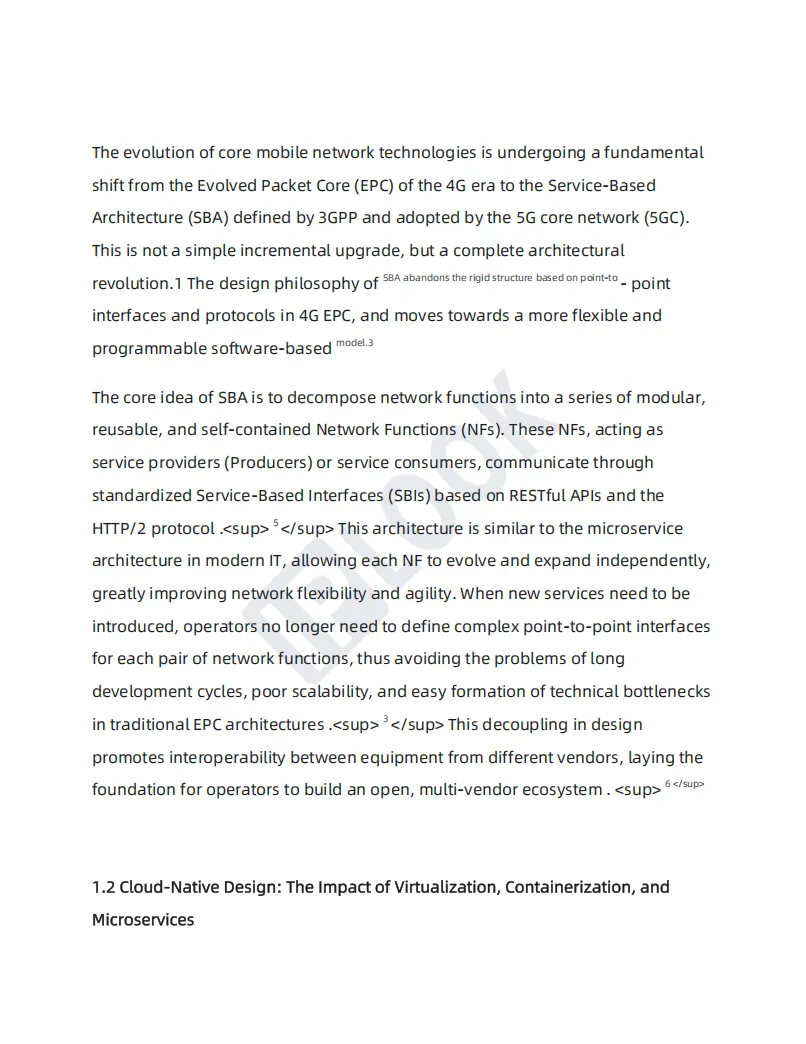
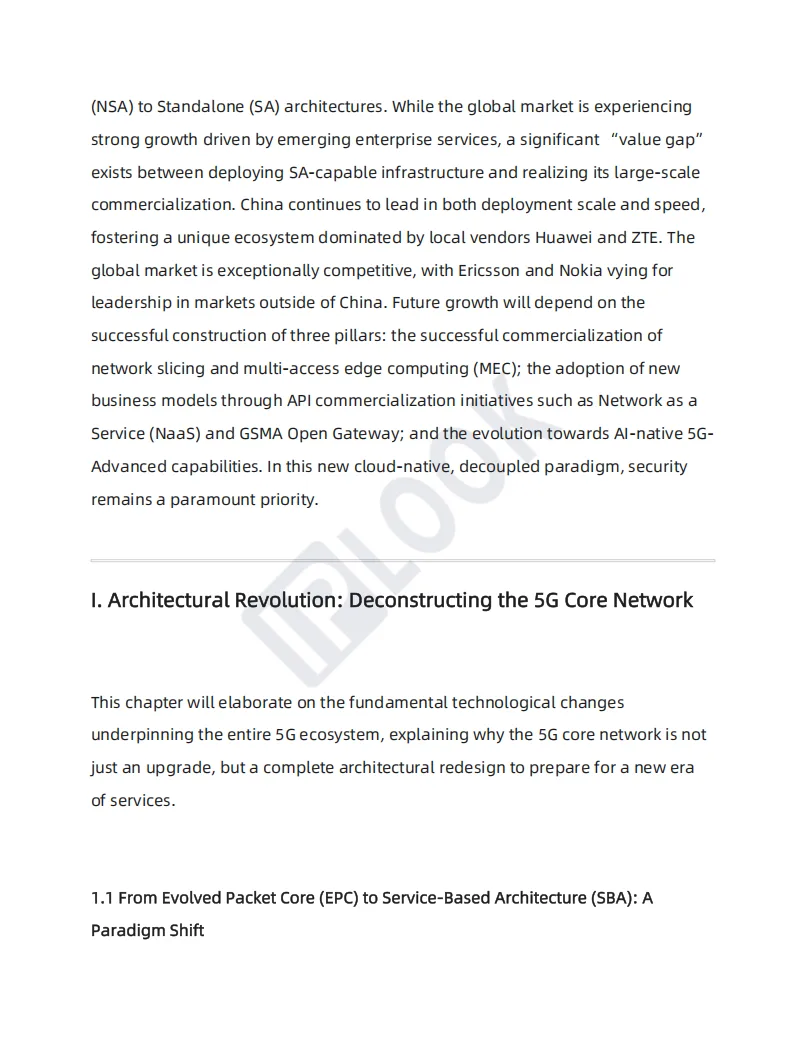
- Why Standalone (SA) architecture is the foundation of real 5G:
NSA delivers speed—but only SA unlocks network slicing, URLLC, and end-to-end cloud-native architecture essential for enterprise monetization. - How network slicing enables B2B monetization in manufacturing and media:
From smart factories with URLLC slices to media broadcasters using guaranteed-bandwidth eMBB slices—real-world deployments are already live in China and Europe. - The role of distributed UPF and Multi-access Edge Computing (MEC):
MEC + distributed UPF enables sub-10ms latency for autonomous vehicles, AR/VR, and industrial automation—synergistic with network slicing. - How Open Gateway APIs and NaaS create programmable network services:
Network as a Service (NaaS) and GSMA Open Gateway APIs let operators monetize QoS, location, and authentication as programmable services. - China vs. global market divergence in 5G core deployment pace:
China leads in SA deployment scale (>1 billion users, >4.25M base stations), while Western markets lag due to cost and complexity—creating two parallel 5G ecosystems. - Why AI-native cores define the next wave: 5G-Advanced and beyond:
Huawei’s “Intelligent Core” and Ericsson’s “Differentiated Connectivity” signal the shift toward intent-driven, self-optimizing networks powered by AI/ML.
High Growth
China leads global 5G SA scale with unmatched infrastructure density.
IoT & Industry 4.0
Smart factories, autonomous logistics, and AR/VR driving URLLC demand.
API Economy
GSMA Open Gateway turning network capabilities into developer-ready products.