
Comparing 4G EPC and 5G Core Features
Explore key differences between 4G EPC and 5G Core.
| Features | 5G Core | Evolved Packet Core |
|---|---|---|
| Primary Design | Service-based architecture | High-speed mobile broadband |
| Flexibility | High, uses microservices | Limited, needs upgrades |
| Scalability | Built for dynamic scaling | Hard to scale independently |
| Service Diversity | Supports URLLC, mMTC, and more | Limited support |
| Architecture Style | Cloud-native, virtualized | Node-based, hierarchical |
| Key Components | AMF, SMF, UPF, NRF | MME, S-GW, P-GW, HSS |
| Strengths | Flexible, fast service creation | Reliable, global standard |
Choosing between 5GC vs EPC significantly impacts how your network evolves. It’s essential to align your choice with your business objectives and technical requirements. Currently, there are over 4,700 private LTE and 5G networks worldwide, with private LTE making up more than half. When evaluating 5GC vs EPC, focus on which option best supports your growth strategy and prepares you for future advancements.
Key Takeaways
- Match your network to your business needs. Think about if you want better efficiency or new services.
- Look at what your network needs. Pick 5G Core if you want flexibility and growth. Choose EPC if you want to save money.
- Make a careful plan for moving to a new network. Doing it in steps lets you use EPC and 5G Core at the same time.
- Think about how 5G Core helps in the future. It works with advanced services like IoT and network slicing.
Key Factors for 5GC vs EPC Choice
Business Goals and Market Needs
Your business goals matter a lot when picking 5gc or epc. Upgrading step by step helps you avoid problems. Each upgrade should give clear benefits, such as saving money or creating new revenue streams.
Market needs also help you decide:
- 5G NSA lets you keep using EPC for fast and cheap broadband.
- 5G SA uses a cloud core for new services like URLLC and mMTC, which is key for IoT, AR, and VR.
Technical Demands and Service Types
| Feature/Aspect | EPC (Evolved Packet Core) | 5GC (5G Core) |
|---|---|---|
| Primary Design | High-speed mobile broadband | Service-based architecture |
| Flexibility | Limited, needs upgrades | High, uses microservices |
| Scalability | Hard to scale independently | Built for dynamic scaling |
| Architecture Style | Node-based, hierarchical | Cloud-native, virtualized |
Investment and ROI Considerations
Upgrading to 5G may cost more at first but helps create new services. Using EPC can save money if the goal is simply optimizing 4G. Always check if the plan fits long-term goals.
Timeline and Migration Planning
If results are needed quickly, 5G NSA with EPC might be best. For future-proofing, moving to 5GC helps offer superior services.
EPC Overview and Evolution Path
EPC Architecture and Features
The EPC is the core of 4G LTE networks, using a packet-switched design:
- Mobility Management Entity (MME): Handles user movement and session control.
- Serving Gateway (SGW): Routes user data.
- Packet Data Network Gateway (PGW): Connects to external networks.
- Home Subscriber Server (HSS): Manages subscriber profiles.
EPC Limitations and Challenges
- Scaling can be hardware-intensive and costly.
- Manual work can slow down deployment compared to cloud-native automation.
- Old systems may lack compatibility with advanced 5G slicing features.
5G Core (5GC) Overview and Evolution Path
5G Core Architecture and SBA
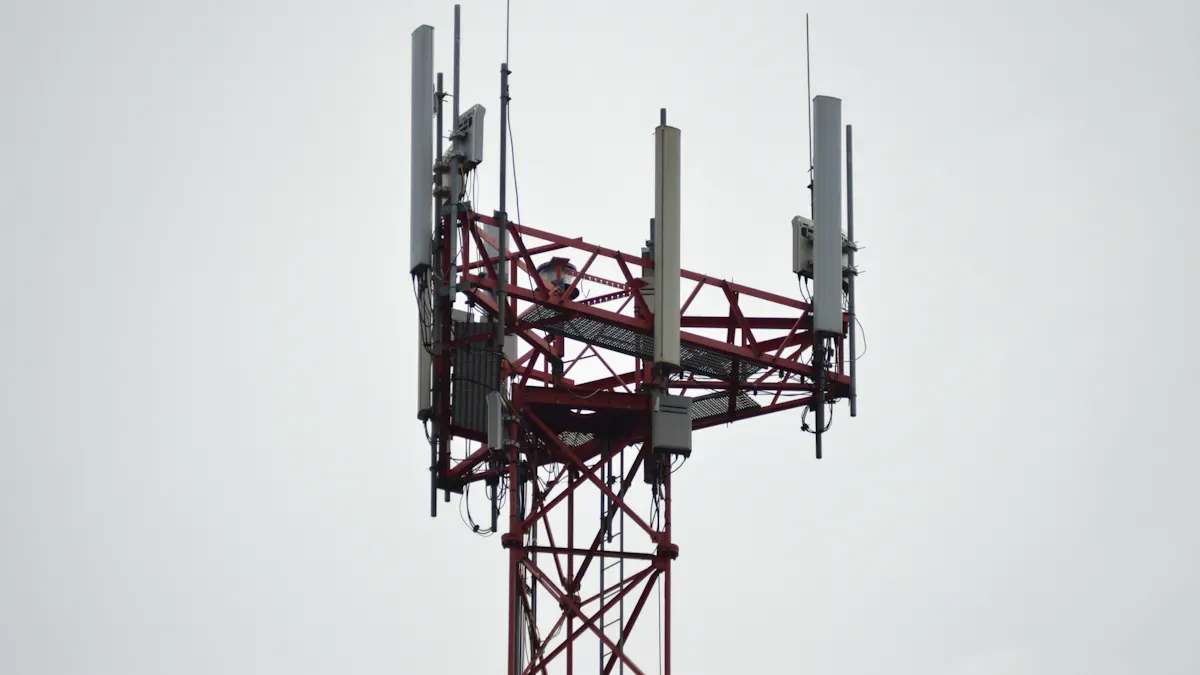
5GC uses Service-Based Architecture (SBA) and microservices.
| Feature | EPC (4G) | 5GC (5G) |
|---|---|---|
| Architecture Style | Node-based | Service-based |
| Virtualization | Limited | Native (NFV/SDN) |
| Network Slicing | Limited | Native support |
5GC Key Features: Network Slicing, Low Latency, IoT
- Network Slicing: Virtual networks on one physical infrastructure.
- Low Latency: Critical for real-time apps like autonomous vehicles.
- IoT Support: Handles massive machine-type communications (mMTC).
5GC vs EPC: Direct Comparison
Cost and Complexity
Upgrading to 5GC requires a shift from hardware-centric to cloud-native, service-based design. While initial costs are higher, automation lowers long-term operational expenses.
Performance and Scalability
| KPI | EPC (4G) | 5G Core (5GC) |
|---|---|---|
| Latency | 30–50 ms | ~1 ms |
| Throughput | Up to 1 Gbps | Up to 20 Gbps |
Future-Proofing and Innovation
5GC’s SBA allows for Control and User Plane Separation (CUPS), enabling the User Plane Function (UPF) to be moved to the edge for better performance.
Decision Framework for EPC or 5GC
Step-by-Step Guide
- Identify business goals (efficiency vs. new services).
- Check network readiness.
- Evaluate budget and ROI.
- Define the migration timeline.
| Decision Point | EPC (4G) | 5G Core (5GC) |
|---|---|---|
| Cost Focus | ✔️ | |
| Advanced Services | ✔️ |
Migration Strategy
Operators can choose a Phased Approach (using EPC and 5GC together) or a Cloud-Native Deployment (direct jump to 5GC for immediate feature access).
FAQ
What is the main difference between 4G EPC and 5G Core?
4G EPC uses nodes to run LTE networks. 5G Core uses a service-based setup with microservices. This makes 5G Core more flexible. It also lets you use new features like network slicing.
Which network suits enterprise IoT needs better?
5G Core is better for lots of IoT devices. It can handle more devices at once. It also has lower latency. 4G EPC is good for simple IoT. 5G Core helps smart cities and factories work better.
How does network slicing compare in EPC and 5G Core?
EPC only gives you basic network slices. You cannot make many custom slices. 5G Core lets you build many virtual networks on one system. Each slice can help a different service or customer.
What should you consider when planning migration from EPC to 5G Core?
Check your business goals and if your tech is ready. Think about your budget too. Move in steps if you need to. You can use both EPC and 5G Core together for a while. Make sure your team knows cloud-native tech.
Does upgrading to 5G Core improve customer experience?
5G Core gives faster speeds and less delay. Connections are more reliable. Customers can use new apps like live video and smart devices. 5G Core helps you launch new services quickly.