
Mobile network operators have to make important choices about capex. Good capex planning shapes the network for many years. It also helps them stay strong against other companies. Today, new technology like AI and 5G helps people make better investments. Scenario simulation also helps. MNOs need to use data to make these choices. Strong infrastructure helps users and helps the market grow. Recent reports show that better planning can save money and make things work better. The table below shows how smart investments help operators stay ahead.
| Evidence Type | Description |
|---|---|
| Cost Reduction | Good mobile network planning can save a nationwide operator $2 billion in capex over 10 years. |
| Expert Insight | Joe Madden says RAN planning tools are now optimization solutions. They help get the most out of capex and make the experience better. This means fewer people leave. |
| Performance Impact | Better RAN planning can make networks work better and cost less. This helps mobile network deployments. |
Key Takeaways
- Data-driven CAPEX planning helps MNOs pick better investments. This leads to network growth over time.
- Using advanced analytics and AI helps operators spend money wisely. It also helps them waste less on network investments.
- Scenario simulation lets operators try out different plans first. This helps them avoid risks before spending money.
- Aligning CAPEX with business goals makes sure every dollar helps the company grow.
- Investing in 5G and new technologies is very important for MNOs. This helps them meet user needs and stay ahead.
- Operators can make networks better by using real-time data. They can find and fix problems fast.
- Working with technology providers and regulators helps bring new ideas. It also helps MNOs use new solutions.
- Flexible CAPEX planning lets operators change with the market. They can also find and use new chances.
Strategic CapEx Decisions for MNOs
Impact on Network Infrastructure
Long-Term Capabilities
CapEx choices decide what a mobile network operator can do in the future. These choices make the network strong and reliable for a long time. Telecom companies face new problems and must spend money on infrastructure and technology to stay ahead. They put up new cell towers and make old networks better so they can handle more data. When 5G and edge cloud networks come, operators need even better infrastructure. Operators have to plan well to make sure their networks can handle new services and faster speeds.
A big part of CapEx spending now goes to 5G. Operators spend money on new networks and making old ones better. They buy new spectrum licenses and add more cell sites to make the network bigger. This helps them keep up with people who use more data. Operators must keep spending on infrastructure to meet user needs and new technology. These choices also help them work with other companies and bring new ideas to the industry.
CapEx planning is not just for now. It helps networks grow and keeps service good for a long time. Operators who spend wisely on infrastructure get ahead of others.
Competitive Positioning
CapEx affects how well operators can compete. Operators who make their networks better can give faster speeds and better coverage. This brings in more customers and keeps them happy. The table below shows important facts about CapEx and network infrastructure:
| Evidence Description | Key Points |
|---|---|
| Focus on 5G Deployment | Most CapEx money goes to 5G and upgrades. |
| Drivers of CapEx | 5G, fiber optic growth, and tech upgrades guide CapEx choices. |
| Increased CapEx for 5G | 5G needs lots of money for spectrum and more cell sites. |
| Infrastructure Investment | Spending on infrastructure is needed as people use more data. |
| Future Expenditure Trends | Spending will go up as 5G and edge cloud networks grow. |
| Impact on Business Ecosystem | CapEx choices make more people want infrastructure products and help new ideas start. |
Aligning CapEx with Business Goals
Operators need to make sure CapEx matches their business plans and future technology. Many telecom companies are changing from just connecting people to being platform businesses. They use AI-driven automation to reach their goals. It is important to spend money carefully because costs go up but revenues do not. Operators must use their money smartly to support new technology like AI and 5G.
- Operators work with technology providers, infrastructure vendors, and local regulators.
- These partnerships help them get new deployment technology.
- Working together makes it easier to use new technology and stay ahead.
CapEx planning helps operators spend money in ways that match their plans. This makes sure every dollar helps them grow and bring new ideas. When operators match CapEx with their goals, they build better networks and get ready for the future.
Risks of Traditional CapEx Planning
Inefficiency in Network Investments
Traditional CapEx planning can make network investments less effective. Many mobile network operators still use old ways that do not use enough data. These old ways can waste money and slow down progress. Sometimes, teams do not know who is in charge of each part. This confusion can cause delays and make projects late. Teams may not talk to each other well. This makes it hard to spend money the right way.
Operators sometimes use old technology. This can stop them from using their money in the best way. If they do not change fast, the network can get worse. The table below shows problems that happen when operators do not use data-driven planning:
| Inefficiency Type | Description |
|---|---|
| Lack of clear accountability | Different teams manage various network components, leading to confusion and competing priorities. |
| Insufficient communication | Poor communication among teams can exacerbate inefficiencies in capital allocation. |
| Outdated technology reliance | Dependence on old technology can hinder effective capital expenditure optimization. |
| Slow adaptation to network demands | Traditional methods struggle to adjust quickly to changing network requirements. |
Operators can do better by changing how teams work together. They can also use automation and AI in their planning tools. These steps help them get more value and better returns on their money.
Overspending and Missed Opportunities
Operators who use old CapEx planning may spend too much money. They might buy things that do not fit what they need now. This can waste money and stop them from growing. If operators do not use data, they may buy equipment that gets old fast. They can also miss new trends in the market.
Spending too much can make it hard to buy better technology. Operators may not have enough money for important upgrades. Missing chances can slow down new services. This can make the operator lose their place in the market. Operators need to make smart choices to avoid these problems.
Lack of Scenario Simulation
Old planning does not let operators test different ideas. Without simulation, operators cannot see what will happen before they spend money. They may not find problems until it is too late. This makes it hard to keep up with changes in the market or new technology.
Operators who do not use scenario simulation may build things that do not work for the future. They may also have trouble when user needs change fast. Scenario simulation helps operators plan for many things. It gives them tools to make better choices and lower risks.
Note: Data-driven planning helps operators avoid these problems. It lets them use their resources well and get ready for the future.
Benefits of Data-Driven Network Planning
Optimizing CapEx Allocation
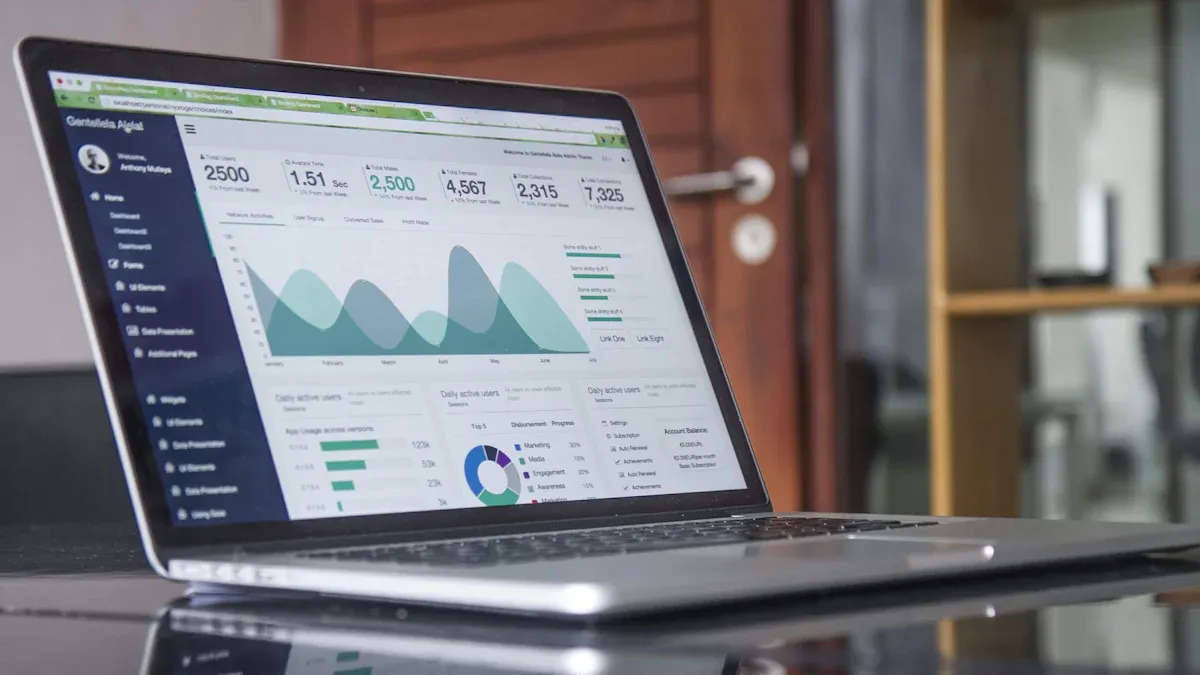
Data-driven network planning changes how operators use capex. Operators look at real-time and past data to see where to invest. This helps them spend money wisely and avoid mistakes. They use advanced analytics and AI to make smart choices. These tools show which parts of the network need upgrades and which do not. This way, projects work better and operators get more value for their money.
Prioritizing Investments
Operators must pick where to spend capex first. Data-driven planning helps them make these choices. They use smart tools to check network performance and what customers need. Operators can:
- Get more use from what they already have by using better maintenance and new technology.
- Spend less on owning everything by using cloud-based solutions.
- Use AI and analytics to find the best places to upgrade.
This process stops operators from wasting money in places with low demand. They focus on areas where users want better service. Operators can also mix performance data and customer experience data. This mix helps them save money and give better service.
Reducing Waste
Operators waste capex when they do not use data-driven planning. Clean and unified data helps them avoid this problem. Operators set priorities based on risk to make smart choices. They can wait or skip investments that are not needed right now. This saves money and makes the network stronger.
- Unified data systems lower costs and make networks more reliable.
- Advanced analytics can save billions by delaying upgrades that are not needed.
- Automation lets operators focus on important jobs while machines do simple tasks.
Operators see clear changes in their budgets. They spend less on things they do not need. This leaves more money for new technology and better service.
Enhancing Network Performance
Data-driven planning makes networks work better in many ways. Operators use network traffic analysis to spot patterns and fix problems. They can find congestion and change resources fast. This gives better coverage, faster speeds, and fewer service issues.
Improving Coverage
Operators use AI to decide where to build new infrastructure. They look at demand and guess where users will need more service. This helps them manage capacity and not spend too much. The table below shows how data-driven planning helps coverage:
| Improvement Type | Description |
|---|---|
| Optimized Resource Allocation | AI helps operators pick where to invest based on demand, making networks more efficient. |
| Cost Reduction | Waiting to invest until demand is high saves money and keeps infrastructure working longer. |
| Enhanced Capacity Management | AI lets operators push network limits without hurting service. |
| Demand Prediction | Looking at outside data helps operators guess future needs and plan where to build. |
Operators can serve more users without building too much. They use resources where they are needed most.
Meeting User Demands
Operators must keep up with what users want. Data-driven planning helps them stay ahead. For example, T-Mobile uses an AI-driven model called “Customer Driven Coverage.” This model checks customer needs and helps the company decide where to invest. Operators who use this method can make networks work better and keep customers happy.
T-Mobile uses an AI-driven model called ‘Customer Driven Coverage’ to pick where to invest based on what customers need. This helps T-Mobile stay ahead and improve network performance.
Operators also use predictive maintenance to find problems before they happen. Machine learning spots issues early, so operators can fix them fast. This keeps the network running well and cuts down on downtime.
Enabling Scalability and Flexibility
Data-driven planning lets operators grow their networks as demand rises. They can add new infrastructure or upgrade old sites without wasting capex. Operators use network slicing to make virtual networks for different services. This makes sure resources are used well and supports new business ideas.
Operators measure how their investments work using key performance indicators. These include capex per site, capex per mobile customer, and capex to mobile revenue. AI-driven forecasting helps operators invest at the right time and place. This leads to a 15-25% boost in capex efficiency and helps change capex strategies.
Operators who use data-driven planning can adjust quickly to new technology and user needs. They stay competitive and ready for what comes next.
Supporting Innovation and Revenue Growth
Data-driven network planning helps operators come up with new ideas. It also helps them grow their businesses. Operators look at network data to find patterns. They learn what customers want by studying this data. This way, they can make new services and make old ones better.
Operators start to spend less money on capex. They put more money into research and development. This change lets them try new things. They can bring new ideas to the market. Operators can test smarter platforms and try new business models. These steps help them give better experiences to customers.
Operators use AI and automation to study network data. This gives them helpful information. They can see where they can make more money. For example, they can see how people use their phones. Then, they can make special offers or new services that fit these trends.
- Operators can start new digital services, like smart home solutions or connected cars.
- They can give network slices to businesses that need special features.
- They can use automation to make service faster and lower costs.
Operators who use data-driven planning can change fast when the market changes. They can test new ideas without spending too much money. This helps them see what works and stop what does not. Operators who try new things can find new ways to make money and stay ahead of others.
Data-driven planning helps operators grow and change. It helps them use their resources well and find new ways to succeed.
Implementing Data-Driven CapEx Planning
Leveraging Analytics for Decisions
Modern planning tools have changed how MNOs decide where to invest. These tools use analytics, AI, and machine learning. They help operators see what their choices will do. Capex planning software does many steps by itself. It can guess important numbers like revenue and customer churn. Operators use heatmaps to find places that need upgrades. AI and machine learning look at lots of data very fast. This helps people make decisions faster and with fewer mistakes.
- Capex planning needs strong analytics to help with big plans.
- AI makes it easier to guess what customers will want. This stops spending on things that are not needed.
- Operators can build new infrastructure where it is really needed.
- Digital tools help operators make better choices about their equipment.
Experts say AI helps operators spend money in the right way. This makes sure every dollar is used well. Operators who use analytics can spot patterns and trends. They can change their plans before problems get bigger.
Integrating Real-Time Network Data
Operators need real-time network data to plan better. Good data helps them save money and not make mistakes. For example, better planning can save a big operator $2 billion over ten years. If operators make RSRP modeling better by 1 dB, they can grow RAN capacity by 24%. This means they do not need to build as many new base stations each year.
AI and machine learning help operators pick the right number of base stations. They do this without making service worse for users. Real-time data shows where the network is busy or slow. Operators can move resources to fix problems fast. This way of planning keeps the network strong.
Aligning CapEx with MNO Objectives
Operators must make sure capex planning matches their main goals. They start by looking at how much they spend now. Picking the right way to buy things helps them get better deals. Operators also check the total cost, not just the price.
| Key Insight | Description |
|---|---|
| Lack of Tools | Many operators do not have the right tools to check capex spends and ROI. |
| Siloed Data | Financial and network data often stay separate, making analysis hard. |
| Underutilized Assets | Operators do not always see the value in unused network assets. |
Operators face problems like higher capex from network growth and more complex systems. They must handle many types of technology and keep costs low. Teams from different parts of the company help check plans often. This makes sure capex planning helps the business grow.
Tip: Operators who use new planning tools and connected planning can change faster when the market or technology changes.
Real-World Outcomes for MNOs
Network Expansion Success
Mobile network operators grow when they use data-driven CapEx planning. This way, they know where to build and upgrade their network. For example, Arrow by Altman Solon helped a big operator plan fiber expansion better. Their new plan let the operator get ready for different places. Because of this, the operator grew its network to cover over 10% more locations and still made good money. This shows that using data and smart planning gives better network coverage and happier customers.
- Operators who use data-driven planning can reach more people.
- They can serve new places without wasting money.
- Planning with data helps them keep their network strong as they grow.
Cost Savings from Smart CapEx
Smart CapEx planning helps operators save money. When they use real-time data and analytics, they do not spend on upgrades they do not need. Operators can see which parts of the network need work and which do not. This means they do not waste money in places with low demand. They can also wait or skip upgrades if the network is still good. These savings let operators buy new technology and services. Over time, this helps them have better money and more ways to grow.
Operators who plan with data spend less on projects they do not need. They use their resources where they matter most.
Competitive Advantage through Innovation
Operators get ahead when they invest in high-capacity networks and new technology. Many operators and cable companies upgrade their network first to offer better products. This helps them win more customers and grow their share of the market. The need for higher bandwidth means operators must keep making their network better. If they do not, they might lose money as customers look for better service somewhere else.
- First movers in network upgrades attract more users.
- Investing in new technology keeps the network ready for the future.
- Operators who innovate stay ahead in a fast-changing market.
These real-world outcomes show why data-driven CapEx planning is important. Operators who use data to guide their network investments grow faster, save money, and lead the market with new ideas.
Future Trends in CapEx Planning

Rise of AI and 5G Investments
Mobile network operators are changing how they spend money on their networks. They are not just connecting people anymore. Now, they want to offer more digital services. This helps them reach new customers and markets. Operators are spending more on ICT reselling and data center hosting. These choices help them try new business ideas and stand out from others. Small markets and special services are getting more important. Operators use these to make steady money and stay strong in the market.
- Operators build new infrastructure for AI and 5G to give better service.
- Spending on data center hosting helps support digital platforms.
- Special services help operators meet unique customer needs.
- Platform-based systems help operators grow past just connecting people.
Operators focus on these trends to get ready for the future. AI and 5G make networks stronger and more flexible. This planning helps operators keep up with new technology and changes in the market.
Evolving Network Strategies
Operators are changing their plans to keep up with new technology and what customers want. They use data analytics to give customers advice that fits them. This helps operators make customers happier and grow their business. Operators are not just giving basic connections anymore. They are trying new business ideas and working on making networks reliable and good for the planet.
- Operators use data analytics to guess what customers need and stop them from leaving.
- Spending on ICT reselling and data center hosting helps new plans.
- Making networks reliable and green is very important for operators.
- Using AI and 5G makes service better and connections stronger.
Operators now care more about reliability and quality than just speed. They also think about the environment when they invest in technology. These changes help operators build strong networks and meet what customers expect.
Preparing for Next Decade
Operators need to plan ahead and make smart choices for the next ten years. They must make their finances strong and find flexible ways to get money. This helps them buy other companies if needed. Operators also get ready for changes in the market by planning in many areas. Wireless CapEx is becoming normal, and companies like Verizon focus on being efficient. T-Mobile spends less on big things, while AT&T puts money into fiber and Open RAN. Money is going to small cell sites, fast fiber, and smart software.
| Preparation Strategy | Description |
|---|---|
| Optimize balance sheets | Making finances strong to help with big plans. |
| Align funding resources | Finding flexible money to use for buying other companies. |
| Adapt to market dynamics through M&A | Getting ready in many ways to do well with mergers and changes. |
Scenario simulation is very important in planning today. It lets operators test different ideas for the future. This helps them see what might happen if things change. Being able to adapt is important as more people use the network and money goes down. Moving from 4G to 5G shows why operators must change to keep their place in the market. Testing different plans helps operators know where to spend money on new infrastructure.
Operators who keep testing plans and change quickly can protect their networks for the future and stay ahead in a changing market.
Data-driven CapEx planning helps every MNO make a strong network that lasts. When operators match CapEx with business goals, they make smarter choices. This helps them do well for a long time. They use new technology to work better and spend less money. Operators pick projects that give the most value. They use cloud computing and switch to software-defined networks. These actions help them bring new ideas faster and stay ahead of others. MNOs who use data-driven plans can grow, save money, and lead the way in their field.
- Matching CapEx with business goals helps pick the best projects.
- New technology like cloud computing and software-defined networks saves money and works better.
- Cloud services and software help MNOs try new things and do well in the market.
MNOs who plan CapEx with data can change quickly and keep their networks strong for the future.
FAQ
Why should MNOs move away from traditional CapEx planning?
Old CapEx planning can waste money and miss chances. Using data helps operators make better choices. They save money and stay ahead of others.
Why does data-driven CapEx planning improve network performance?
Data-driven planning uses up-to-date information. This helps operators spot weak areas and fix them fast. Networks get faster and work better for users.
Why is scenario simulation important in CapEx planning?
Scenario simulation lets operators try out ideas before spending money. They can see what works best and avoid making big mistakes.
Why do advanced technologies like AI matter for CapEx planning?
AI helps operators look at lots of data very quickly. This helps them decide where and when to spend money on the network.
Why does aligning CapEx with business goals matter?
When CapEx matches business goals, every dollar helps the company grow. Operators can focus on projects that give the most value.
Why do MNOs need to prioritize investments?
Operators do not have endless money. Picking the most important projects helps them make the network better and keep customers happy.
Why does data-driven planning support innovation?
Data-driven planning shows new trends and what customers want. Operators can make new services and stay ahead of others.
Why is flexibility important in CapEx planning?
Flexible planning helps operators change when the market or technology changes. They can move resources fast and keep their networks strong.