Fully virtualizable on VMware, K8S, Docker and OpenStack containers
Policy Control Function(PCF)
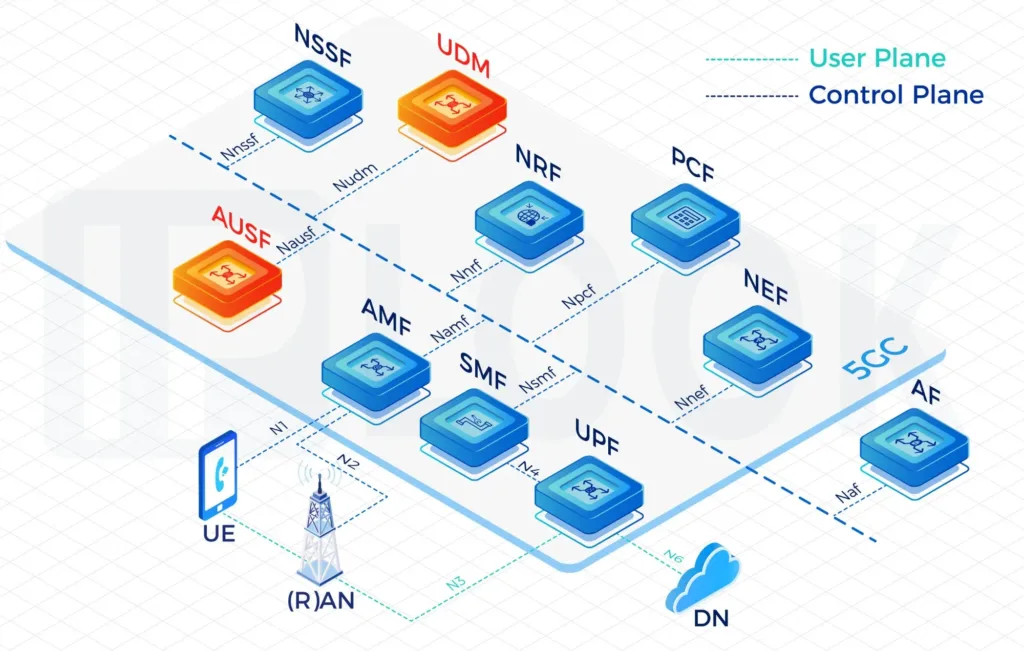
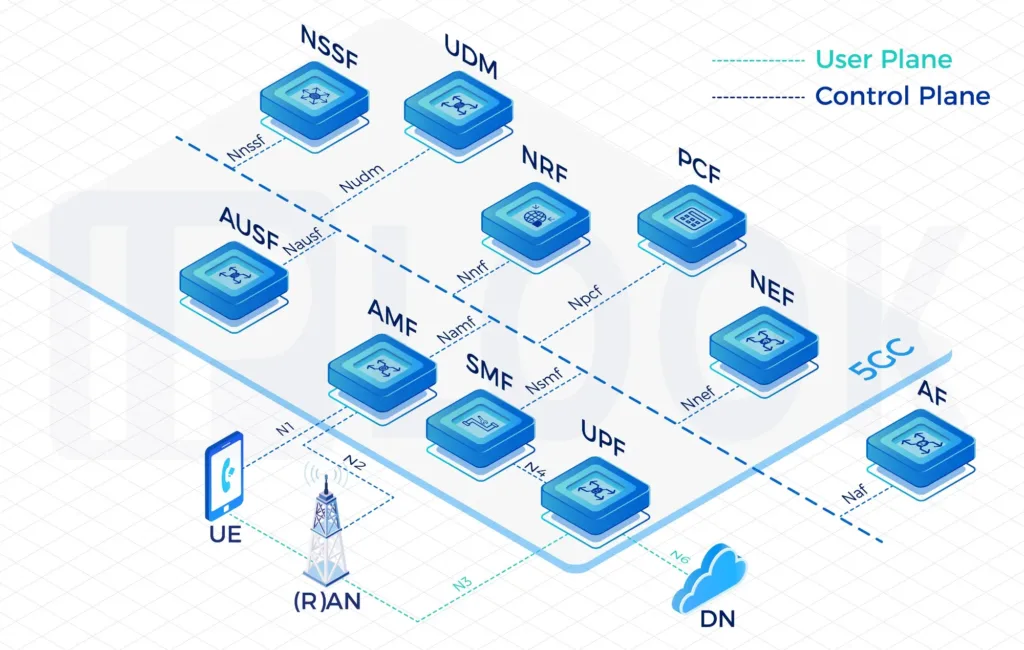
The 5G PCF performs the same function as the PCRF in 4G networks.
• Provides policy rules for control plane functions. This includes network slicing, roaming and mobility management. • Accesses subscription information for policy decisions taken by the UDR. • Supports the new 5G QoS policy and charging control functions.
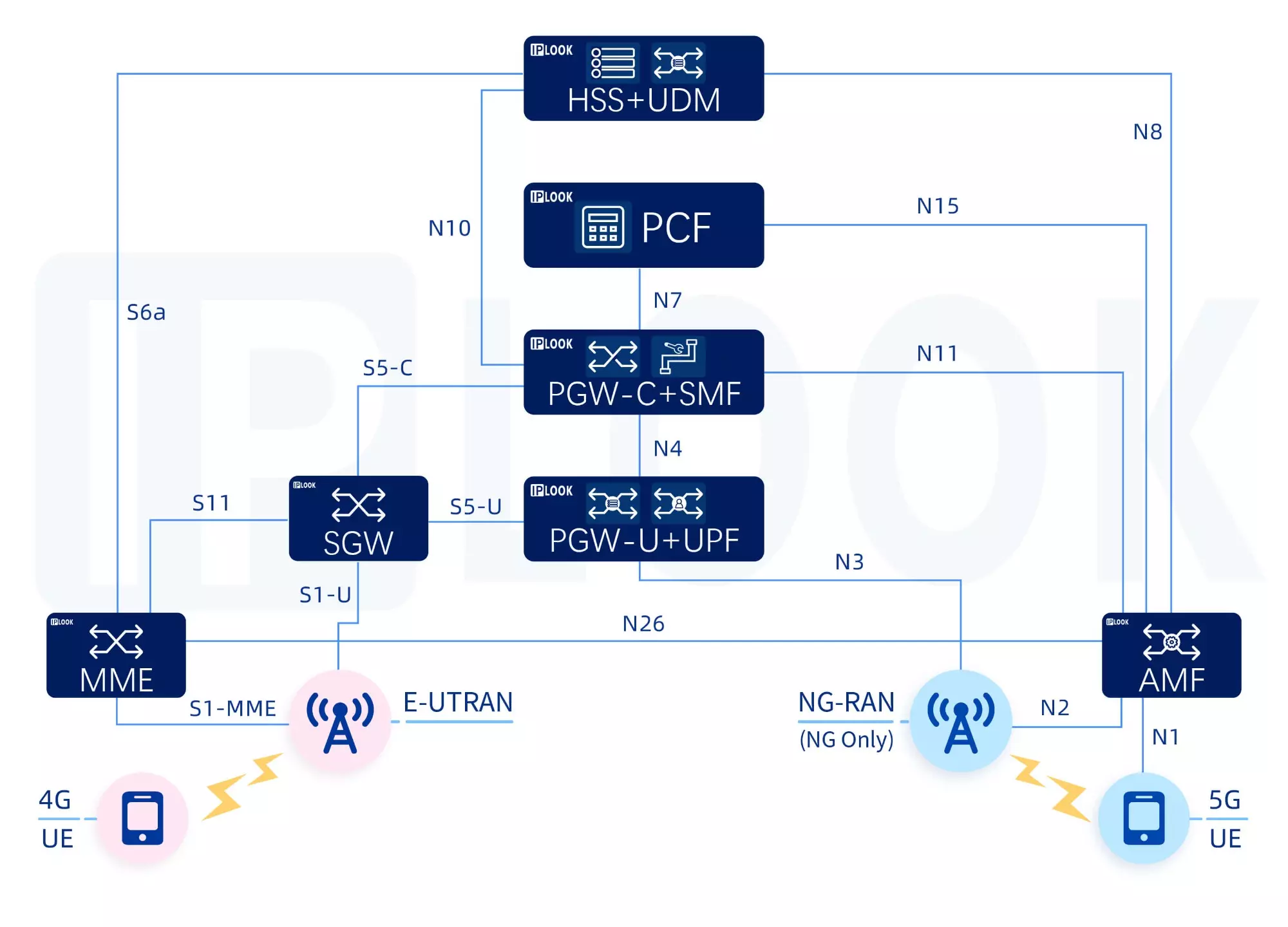
Converged EPC PCRF and 5GC PCF core network function
Perfect compatibility with third-party core network elements
Deployed on X86 COTS server, NFV platform and Cloud
Enabled for centralized or distributed data centers
IPLOOK's 5GC PCF
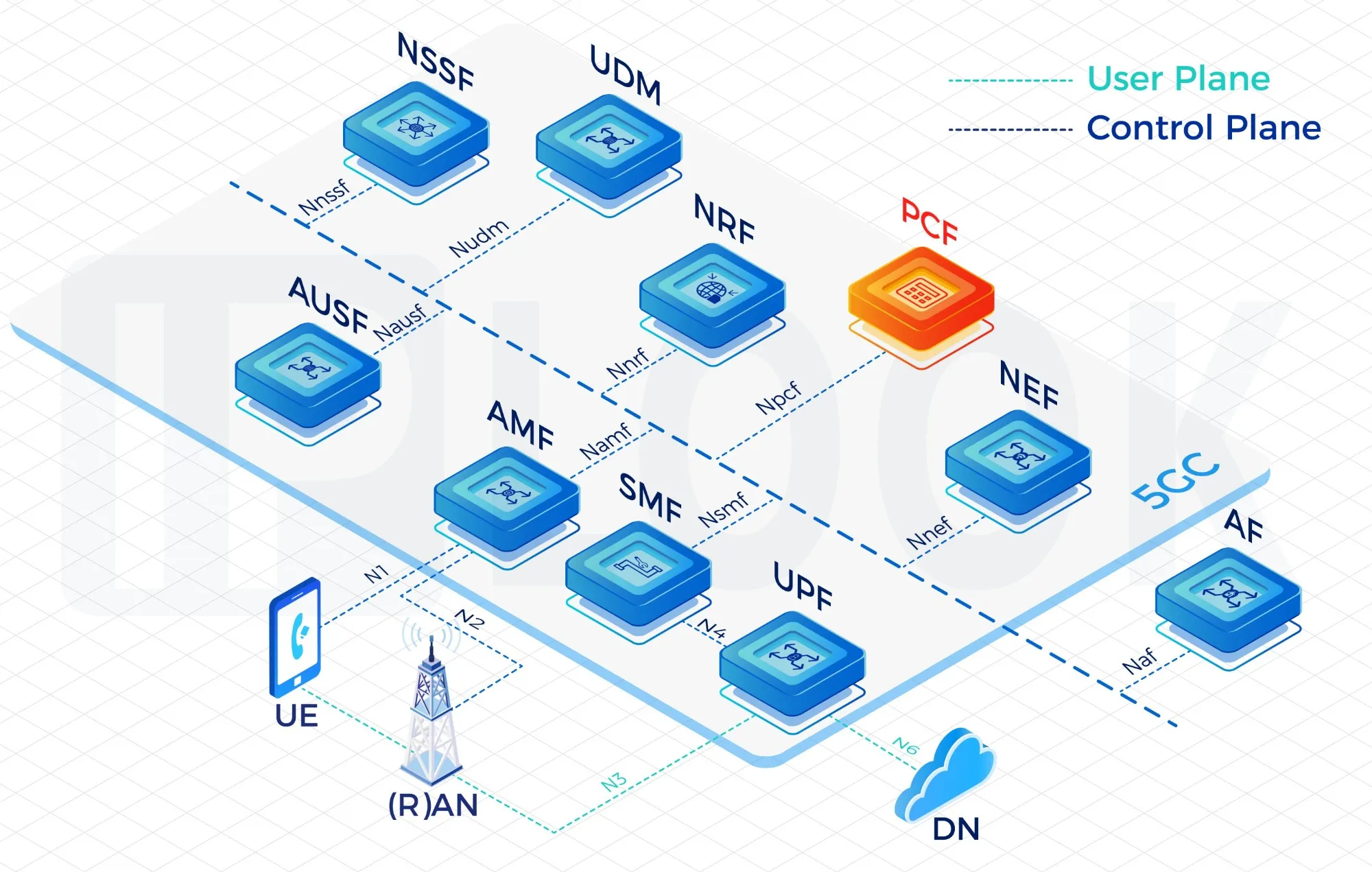
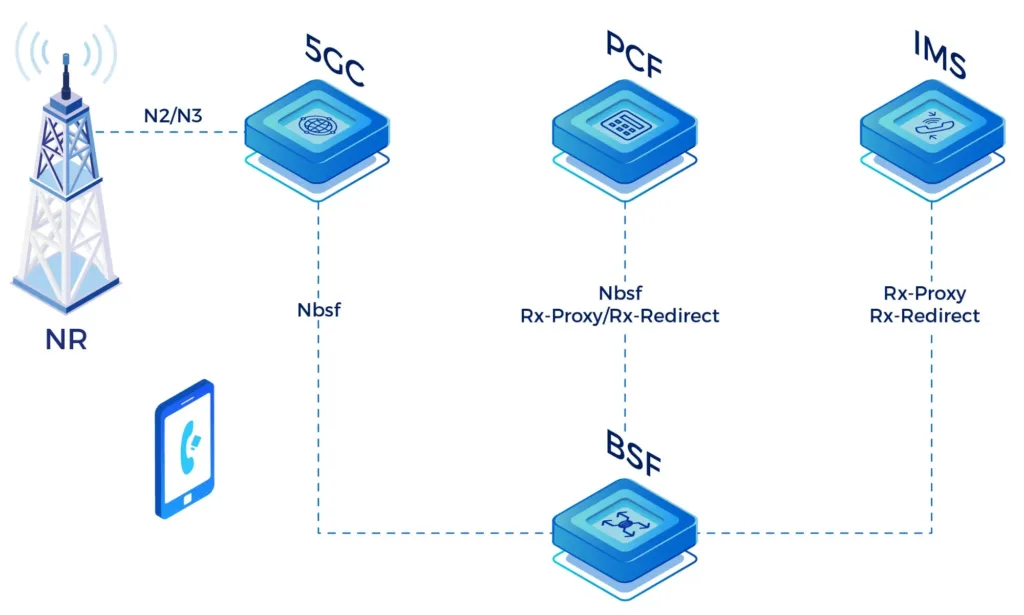
IPLOOK 5GC PCF is a direct evolution of the IPLOOK EPC PCRF on the existing CPS Cloud Native Docker container based platform. The new PCF will have support for all the existing features of the legacy 3G/4G CPS PCRF in addition to new 5G QoS policy and charging control functions and the related 5G signaling interfaces defined for the 5G PCF by the 3GPP standards (eg. N7, N15, N5, Rx, ..).
Through various configuration options, operators will have the flexibility to enable or disable various features, protocols, or interfaces. The PCF evolution is planned in an incremental manner keeping legacy CPS PCRF functionality intact, and enabling hybrid 4G/5G PCRF/PCF solution where necessary for customer operations.
5G NETWORK ELEMENT INSIGHTS
IPLOOK PCF Video Series: Intelligent 5G Policy & Resource Control
Part 01: What is PCF & Its Core Roles in 5G Policy Control?
Discover the Policy Control Function (PCF) as the central policy brain of 5G Core: policy rule generation, session management, access/mobility control, and charging QoS enforcement.
What is the primary role of the PCF in a 5G Core network?
The Policy Control Function (PCF) is mainly responsible for policy decision-making. It provides service-based QoS policies and billing rules, and manages AF session binding. It works with the SMF to ensure that user sessions match the correct billing and QoS control policies.
How does the IPLOOK PCF handle diverse policy control for different users?
Our PCF supports fine-grained policy authorization based on user levels, time intervals, and specific Data Network Names (DNNs). This allows registered users to implement different data rates for different time periods or specific networks.
Does the PCF support usage sharing among multiple users?
Yes, it features a "Home Usage Sharing" function. By setting up a master-slave relationship between users, multiple subscribers can share data usage and achieve shared statistics, which is ideal for family or enterprise plans.
What are the maximum capacity and signaling performance indicators for the PCF?
The IPLOOK PCF is highly scalable, supporting a registered capacity of 1,000 to 5,000,000 users. It can handle a concurrent capacity of up to 2,000 sessions and a Call Attempts Per Second (CAPS) rate of 100 to 2,000.
How does the PCF ensure high reliability and service continuity?
The PCF supports distributed deployment, eliminating any single point of failure and ensuring service continuity across nodes. It also supports 1+1 hot standby and N+M cold standby, with a primary/backup switchover time of no more than 10 seconds, ensuring 99.999% service availability.
What deployment options are available for the PCF?
To meet different infrastructure requirements, the PCF supports server bare metal deployment, KVM virtual machine deployment, and cloud-native environments such as Kubernetes and OpenStack.
Does the PCF include security features to protect against network attacks?
Yes, the system includes robust security features such as DoS/DDoS attack protection, anti-SQL injection, and encrypted transmission of message data. It also supports secondary authentication and lawful interception.
What are the typical hardware resource requirements for a large-scale deployment?
For a deployment of 1,000,000 users, 80-core CPU and 128 GB RAM are required. For ultra-large-scale deployments of up to 5,000,000 users, the system can scale out using five nodes of the same specification.