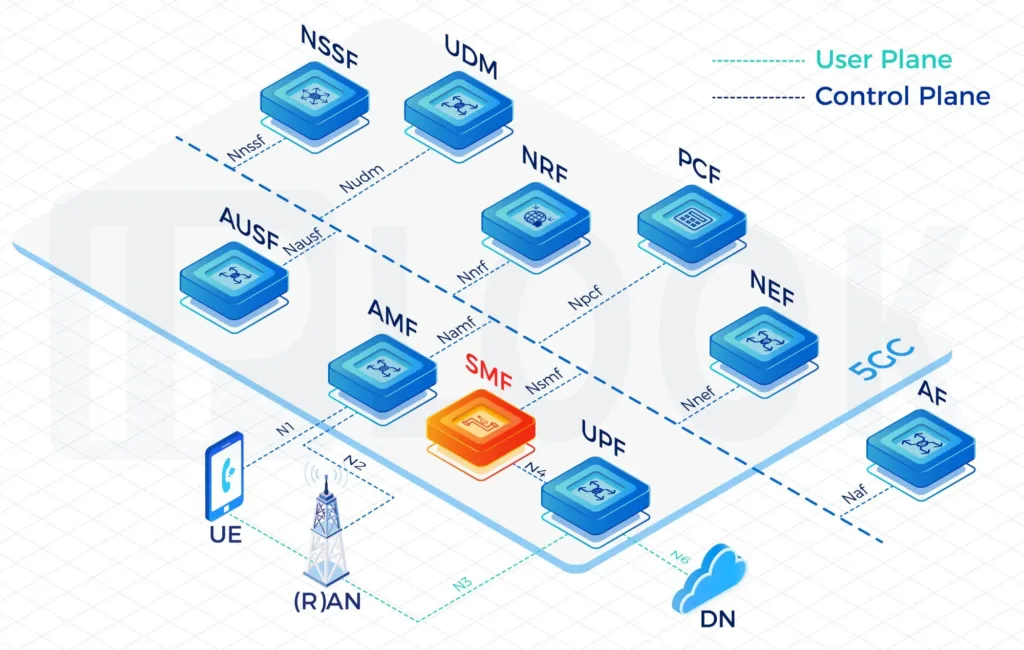
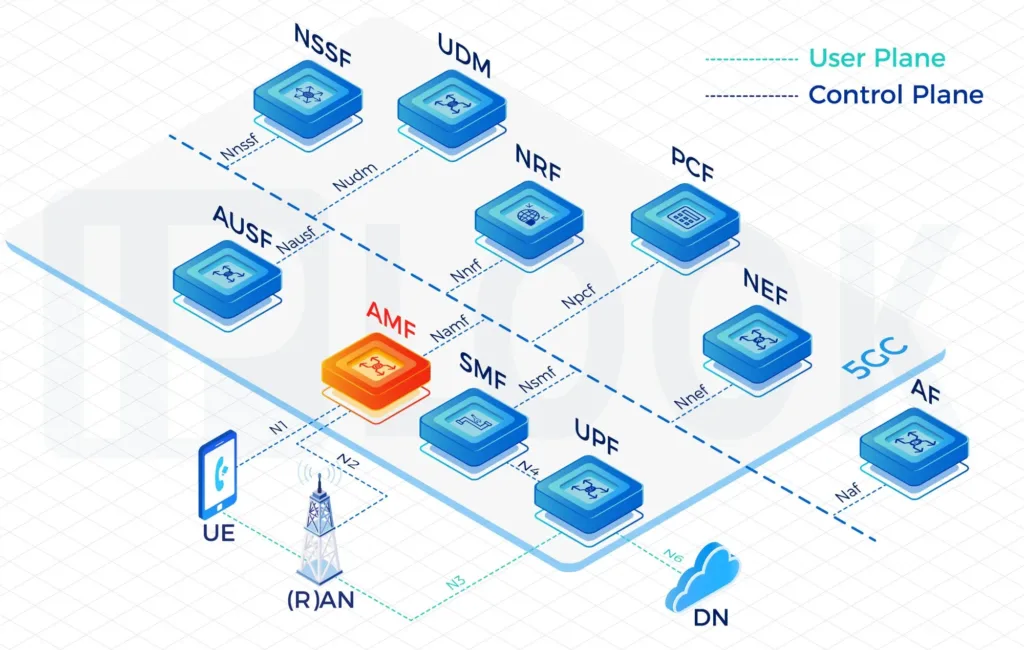
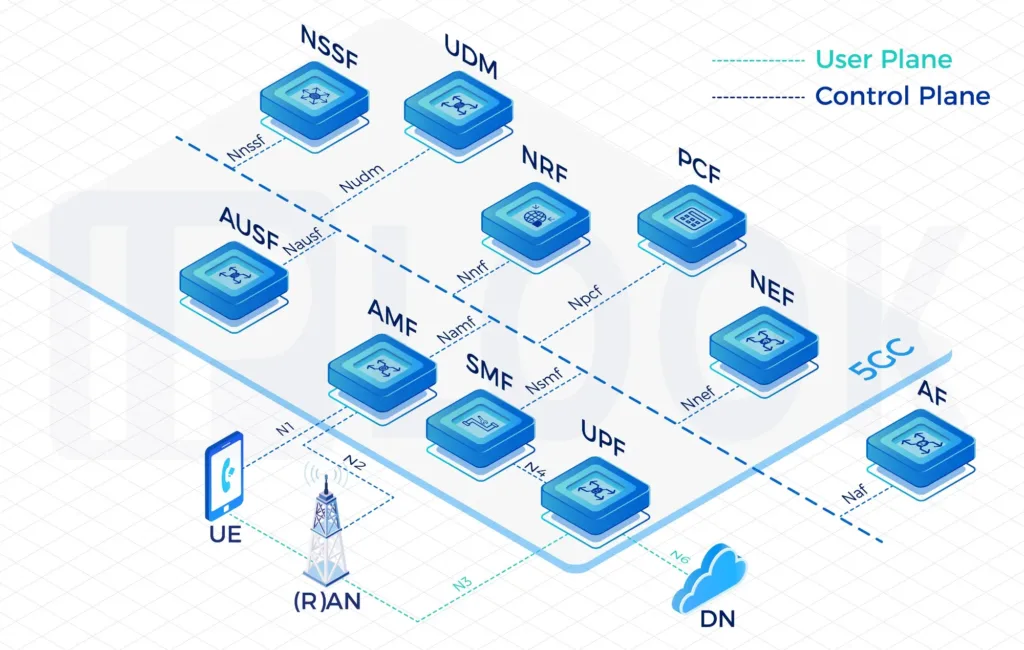
Our High-Performing Core Network
Fully virtualizable on VMware, K8S, Docker and OpenStack containers
Network Exposure Function(NEF)
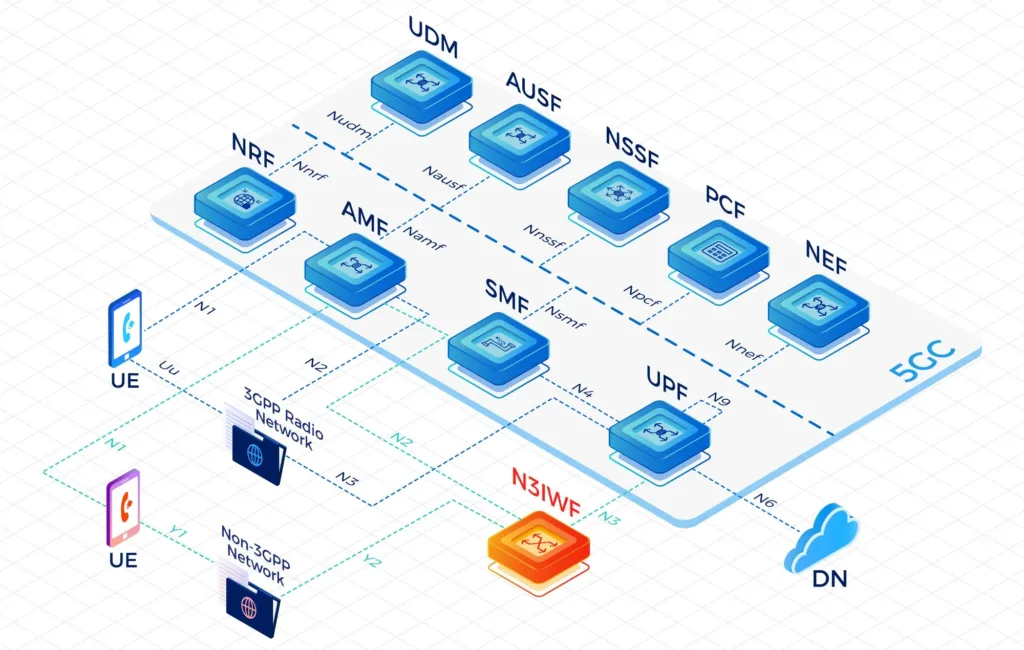
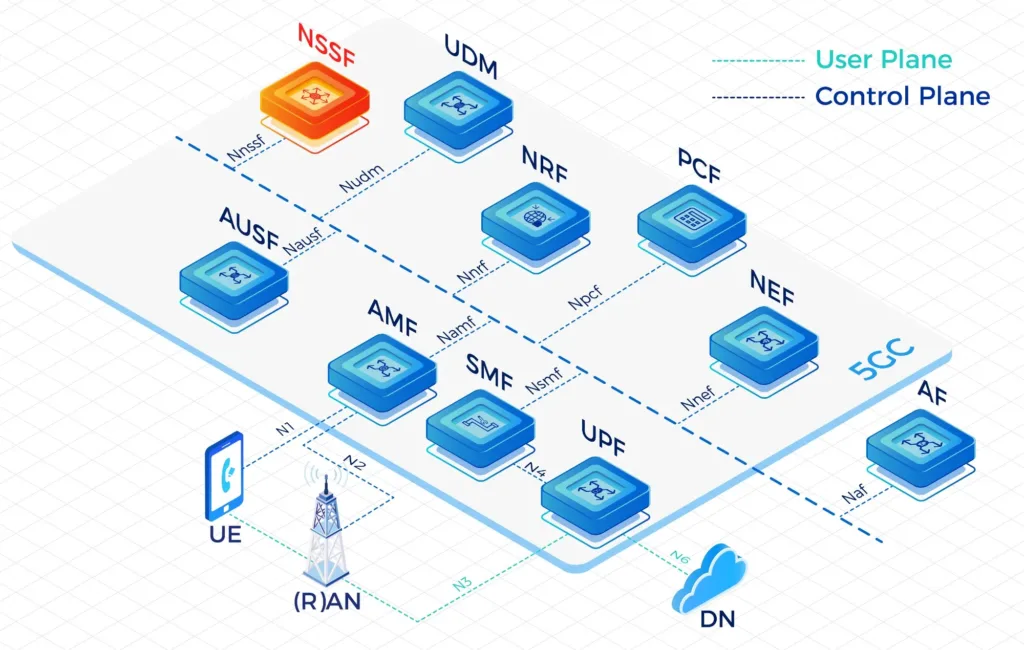
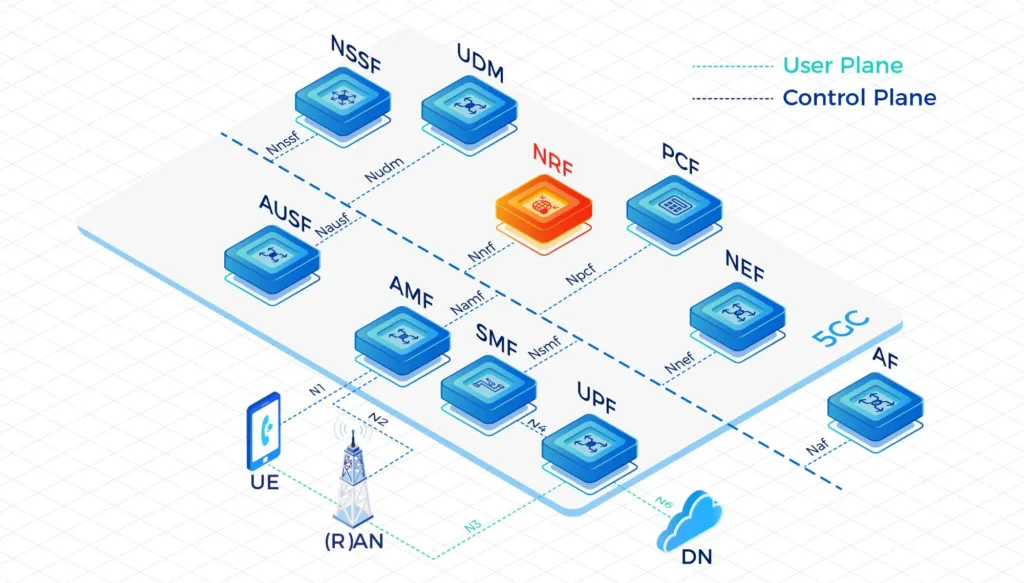
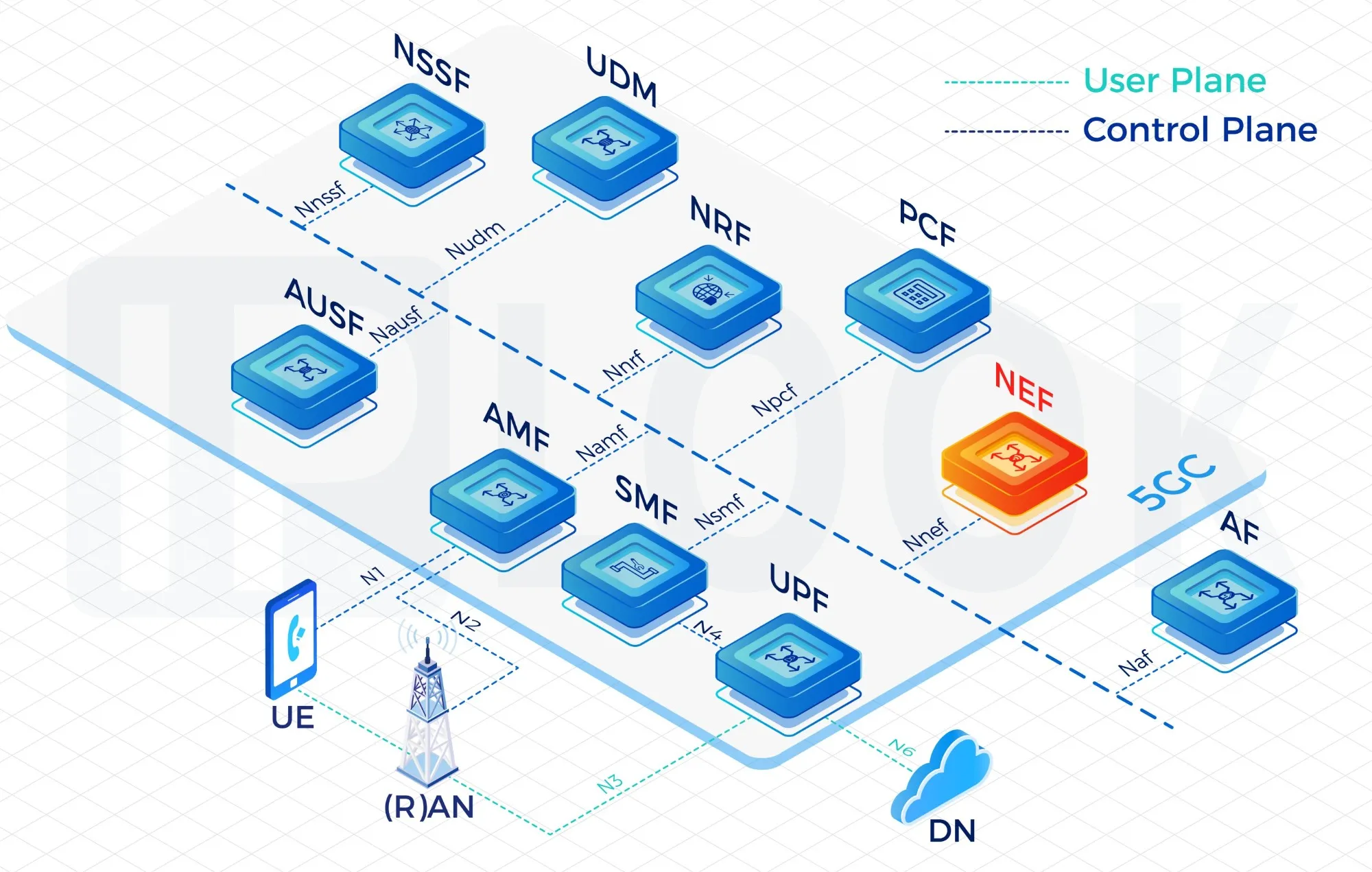
NEF, located between the 5G core network and external third-party application functionaries (and possibly some internal AFs), is responsible for managing the external open network data, and all external applications that want to access the internal data of the 5G core must pass through the NEF.
By opening the network capability to third-party applications, it can realize the friendly connection between network capability and business requirements, improve business experience and optimize network resource allocation.
Key Benefits

Open and Security for Third-Party Applications

Perfect compatibility with third-party core network elements

Deployed on X86 COTS server, NFV platform and Cloud

Enabled for centralized or distributed data centers
IPLOOK's 5GC NEF
- The IPLOOK 5GC NEF is being delivered in line with evolving 3GPP standards. NEF provides corresponding security guarantees to ensure the security of external applications to 3GPP network, and provides functions such as open QoS customization ability of external applications, mobility state event subscription, AF request distribution, etc.
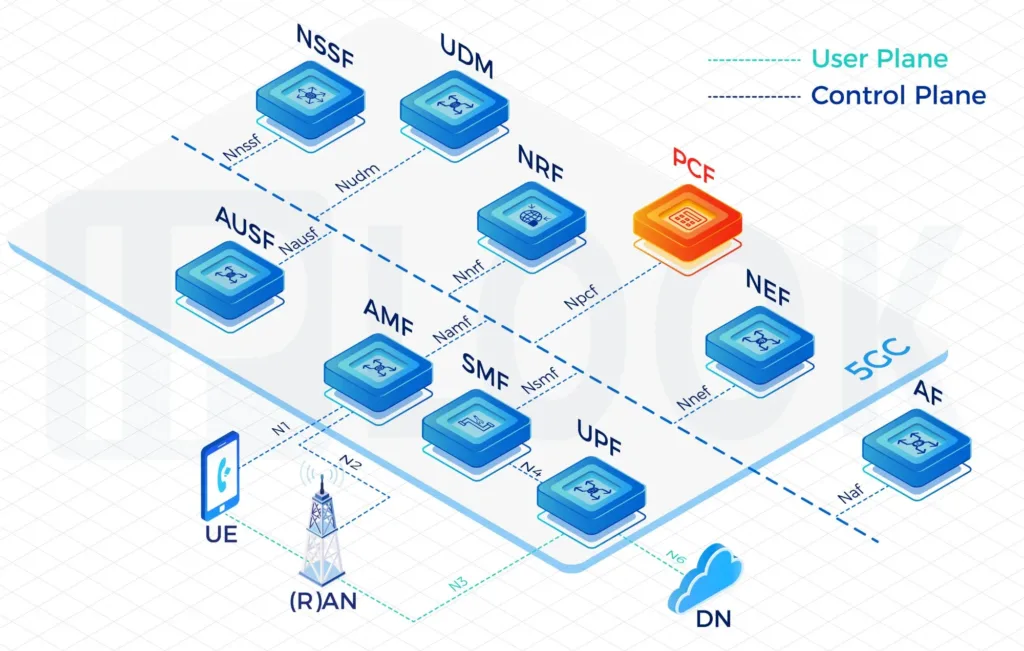
- The NEF communicates with each NF via a southbound interface through a northbound API that provides AF with access to 5GC data or the use of certain functions. 3GPP interface refers to the southbound interface between the NEF and 5GC network functions, such as the N29 interface between the NEF and SMF, the N30 interface between the NEF and PCF, and so on.
Video Series
Features
Comply to 3GPP R15/R16 Standards
Interface Function
- N29 Interface
- N30 Interface
- N33 nterface
PFD Management
- PFD Create
- PFD Delete
- PFD Modify
NF Management Service Function
- NF create
- NF delete
- NF status notify
- NF upgrade
- NF transmit
- NF status inform
Provide security for third-party applications
Monitor, subscribe and report UE events
- AMF information flow
- NEF information flow
- UDM information flow
Provide analysis reports for third-party applications
- Acquire analytic information
- Subscribe/Unsubscribe
Provide external application development
- QoS customization
Open Northbound interface and graphical web based management interface
- Change the billing party
- Specify and change the billing party
- Check the request of current billing party
- Inform to AF the change of transmission resource
FAQ
What is the primary function of the Network Exposure Function (NEF) in the 5G Core?
The NEF acts as a secure gateway located between the 5G core network and external third-party Application Functions (AFs). Its primary responsibility is managing the external opening of network data, ensuring that all external applications seeking to access internal 5G core data must pass through the NEF. By doing so, it bridges network capabilities with business requirements to optimize resource allocation.

Which 3GPP standards does the IPLOOK NEF comply with?
The IPLOOK 5GC NEF is developed in accordance with evolving 3GPP standards, specifically complying with 3GPP R15 and R16 specifications. According to the product roadmap, the "NEF Basic Function" and "NEF Full Function" are targeted for release in the P2 and P3 phases, respectively.
How does the NEF ensure the security of the 5G Core network?
The NEF provides robust security guarantees to protect the 3GPP network from external applications. It handles the authentication and authorization of third-party AFs and hides internal network topology by serving as the single point of entry for all external capability exposure requests.
What are the key interfaces supported by the NEF?
The NEF utilizes a dual-interface approach:
Northbound Interface: A graphical, web-based API that provides external AFs with easy access to 5GC data or specific functions.
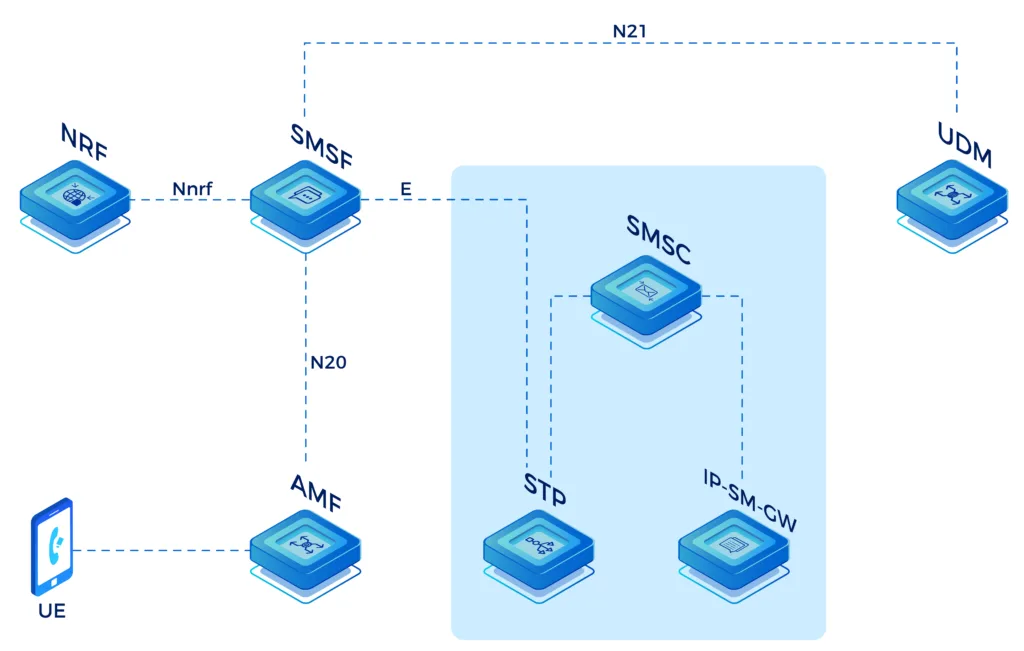
Southbound Interface: These connect the NEF to internal 5GC Network Functions (NFs). Key examples include the N29 interface (to the SMF), the N30 interface (to the PCF), and the N33 interface.
What is Packet Flow Description (PFD) Management?
PFD Management allows the NEF to handle application-specific flow descriptions. The IPLOOK NEF supports the creation, deletion, and modification of PFDs. This ensures that the core network can accurately identify and manage traffic for specific third-party applications.
Can external applications customize Quality of Service (QoS) through the NEF?
Yes, one of the advanced features of the NEF is providing open QoS customization ability. External applications can request specific QoS parameters (such as bandwidth or latency requirements) via the NEF, which then communicates with the PCF to enforce these policies within the 5G network.
How does the NEF support User Equipment (UE) event monitoring?
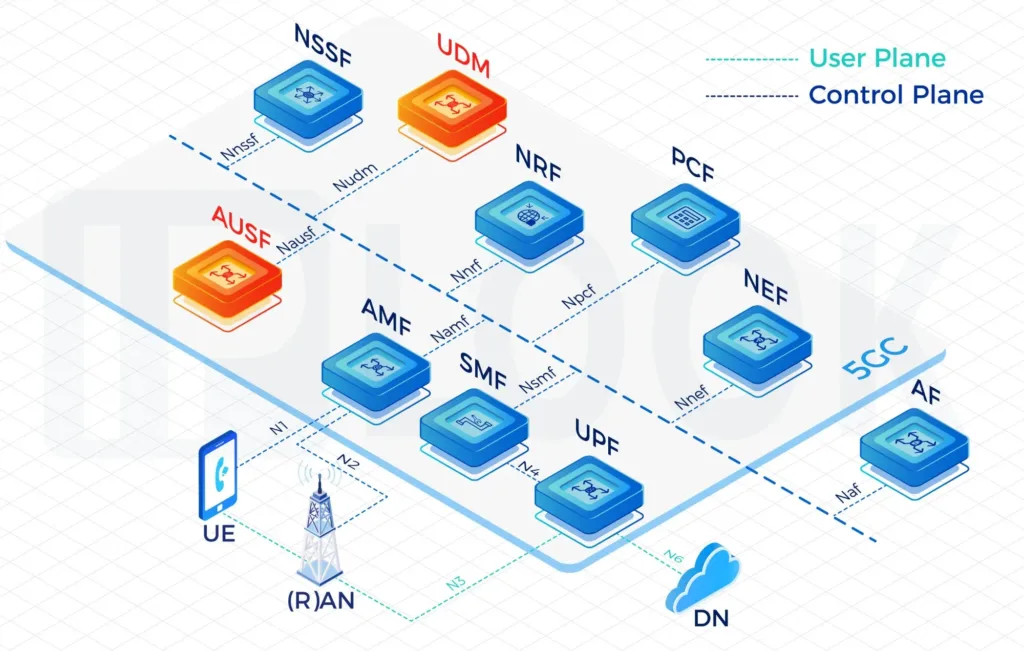
The NEF can monitor, subscribe to, and report UE events. This is achieved through information flows with other NFs like the AMF (for mobility state) and UDM (for subscription data). External applications can subscribe to these events to receive real-time updates on a user's connection or location status.
Is it possible to manage billing via the NEF?
The NEF includes functions to specify and change the billing party. External applications can use the NEF to check current billing requests or inform the AF of changes in transmission resources that might affect billing.
What are the deployment options for the IPLOOK NEF?
Consistent with the virtualization strategy of the 5GC suite, the NEF can be deployed on X86 COTS servers, NFV platforms, or Cloud environments. It is designed for flexibility, supporting both centralized data centers and distributed (edge) data centers to meet different latency and throughput needs.
How does the NEF assist with Network Function (NF) management?
The NEF includes an NF Management Service Function that supports various lifecycle and operational tasks, including:
NF creation, deletion, and upgrades.
NF status notification and information.
NF transmission management.