
You will spend a lot of money if you use poor 5g core architecture. This is because your main network cannot get bigger or change when new technology comes. You might have a hard time running your network and keeping it safe. If your 5g architecture is not flexible, it is tough to solve problems or add new things. You could fall behind and need to pay more to get back on track.
Key Takeaways
- Put money into a strong 5G core architecture. This helps you avoid expensive rebuilds and problems with how things work. Plan for your network’s whole life. This makes sure it can grow and change with new technology. Use automation to do less work by hand. This lowers costs and makes the network work better. Do not get stuck with one vendor. Pick open standards so you have more choices and better prices. Check for gaps in your network often. This helps you find weak spots before they turn into big problems. Watch your network closely to spot issues early. This keeps your network working well. Use modular ways to make upgrades simple and cheaper. Think about using cloud-native architecture. This lets your network grow and change fast when needed.
Poor 5G Core Architecture Pitfalls
Lifecycle Management Gaps
Short-Term Planning
If you only think about what you need now, you can hurt your 5g network later. Poor 5g core architecture does not look at the whole system’s life. You might set up your network fast, but it will be hard to grow or change it. This is because you did not plan for upgrades or new features early on. Not thinking ahead means you will pay more to fix things in the future.
- Old architectures make you handle servers and databases by hand. This takes a lot of time and people make mistakes.
- You might use too many or too few resources. This wastes money and slows your network down.
- Every time you patch or upgrade software, you pay more. You have to do it for every part of your system.
Upgrade Challenges
Upgrades are hard if you do not plan for them in your 5g core. Doing things by hand makes it tough to keep your network updated. You need more workers to do upgrades, so costs go up. Without automation, you cannot add new 5g features or keep up with security.
- Operators often handle hundreds of network policies by hand. This means you need a big team, which costs more.
- If you use smart automation, you can have a smaller team. You can still manage more policies, save money, and make your network stronger.
- Doing upgrades by hand also makes your network more confusing. This makes everything cost more and makes it harder to add new 5g services.
Operational Ownership Issues
Post-Deployment Neglect
After you start your 5g core, you still need to take care of it. Poor 5g core architecture means people forget about it after launch. You might think your work is done, but your network needs checks and updates. If you skip this, small problems can turn into big ones.
- Doing things by hand means more work and it is easy to miss updates.
- If no one is in charge, problems do not get fixed. This can cause long outages and upset customers.
Maintenance Failures
If you do not plan for maintenance, your 5g network will break more often. Poor 5g core architecture makes it hard to find and fix problems fast. You might miss patches or updates, which puts your network in danger.
- If you do not use automated tools, you need more people to keep things working. This makes costs go up.
- Missing maintenance can cause security problems and service stops.
Reliability and Resilience Risks
Single Point of Failure
If your 5g core has one weak spot, one problem can stop your whole network. You need to design your system to avoid this. There was a real example where one failure caused outages all over the world. This happened because everything depended on one part.
- Core network parts like AMF and UDM are very important. If one breaks, your whole service can stop.
- Centralized services make your network weak and easy to attack.
Redundancy Lapses
You need backup systems to keep your 5g network working during problems. Poor 5g core architecture often skips backups. Without them, you cannot handle hardware failures or cyberattacks. Your customers will see outages and lose trust in you.
- Big threats are API abuse and signaling storms. These can break your network if you do not have backups.
- You can use zero trust architecture and API gateways to protect your network and keep it running.
Tip: Always plan for things to go wrong. Build backups and use automated tools to watch your network. This keeps your 5g backhaul and core services strong and reliable.
Multi-Vendor Integration Problems
Vendor Lock-In
Vendor lock-in happens when you rely on one company for your 5G core network. This can happen if you use closed systems or special interfaces. You lose control and cannot change things easily. If you want new features or to switch companies, it costs more and takes longer. You might fall behind as technology gets better.
Vendor lock-in makes it hard to get better prices or ask for new features. You cannot use the best solutions from different companies together. Your network cannot change quickly. You may also have trouble meeting new security or rule needs.
Tip: Pick open standards and modular designs. This helps you avoid vendor lock-in and gives you more choices later.
Interoperability Barriers
When you use gear from different vendors, you must make sure it all works together. Interoperability barriers show up when systems cannot talk or share data well. These problems slow down upgrades and make things cost more.
You often need special fixes to connect different systems. This takes time and money. You may need to hire experts to test every part. If you skip this, your network may not work right.
| Challenge Description | Details |
|---|---|
| Complexity of Integration | You need special skills to connect hardware and software from different vendors. |
| Interoperability Validation | You must test every part to make sure RAN and Core work together, even with old networks. |
| Cloud Infrastructure Management | Managing many cloud systems for different workloads makes your job harder. |
| SLA Convergence | Finding performance problems in a multi-vendor network is tough and can hurt service. |
| Root Cause Analysis | When something breaks, it is hard to find out who is responsible, so fixes take longer. |
| Unified Monitoring | You need one dashboard to watch all vendor parts, or you miss important issues. |
Adding new technology to old systems makes things even harder. You spend more time and money to make everything work. These problems can slow down your network and raise costs. If you do not fix them, your network will not work well and you will pay more to keep it running.
RF and Interference Modeling Flaws
Unstable RF Environments
You need to model your radio frequency (RF) environment well to keep your 5G network strong. Bad modeling causes unstable RF environments. You may see problems even if your signal looks good. These issues often come from mistakes in network design or poor planning.
- Delays and jitter from transport latency and congestion hurt user experience.
- Placing core network functions in bad spots slows your network.
- Wrong beam management or not enough beams can drop speed and look like coverage problems.
- Too many users or sudden traffic spikes can use up resources, even with a strong signal.
- Automation that changes settings too fast can make things worse.
- Different vendors may use different standards, causing hidden problems.
Note: Always check your RF models and test them in real life. This helps you find and fix problems before they hurt your users.
Performance Degradation
RF and interference modeling mistakes can make your network work worse. You may see slow speeds, dropped calls, or bad coverage. These problems often come from technical mistakes or missing data.
- Impedance mismatches can lower performance and make your power budget wrong.
- Coupling and on-board leakage can hurt signal quality and raise costs.
- If you do not use both measured data and simulations, you may miss big problems and guess performance wrong.
You must check every detail in your RF design. If you ignore these mistakes, your network will not meet user needs. You will spend more money fixing problems that you could have stopped with better planning.
Cost Implications of Poor 5G Core Architecture
Higher Operating Expenses
Maintenance Overhead
You pay more when your 5g core architecture is poor. Maintenance becomes a big problem for your team. You spend extra money and time to keep things working. Many 5g core systems stay on all the time, even when traffic is low. This happens a lot in private and edge setups. You still pay for power and cooling when your network is not busy. You also pay for management during these slow times. You need to hire more people to do manual work. More mistakes happen, and you must fix them often. All these things make your maintenance costs go up fast.
Resource Inefficiency
Wasting resources makes your costs even higher. Poor 5g core architecture uses too much hardware and software for easy jobs. You cannot grow your network easily when you need to. You pay for parts of your network that you do not use. You have to manage systems that do not work well together. This makes your bills bigger and gives you more problems. You spend more money on upgrades and patches. Every month, your costs keep growing.
Productivity Loss
Downtime Impact
When your 5g network stops working, you lose productivity. Poor 5g core architecture causes more outages and downtime. You must stop working and wait for things to get fixed. Your team cannot do their jobs during these times. Every hour your network is down, you lose money. Customers get upset and may leave your service. You must pay extra to get your network back up. These problems hurt your business and your reputation.
Service Interruptions
Service interruptions make your customers unhappy. You see dropped calls and slow internet speeds. People lose trust in your service and may switch to other companies. You must work harder to win them back. The table below shows how service interruptions can hurt customer satisfaction and make people leave:
| Evidence Type | Description |
|---|---|
| Network coverage | Gaps in coverage, like dropped calls and bad internet, make customers leave quietly. |
| Poor customer support | Bad service, such as long waits and no help, makes people lose trust. |
| Consistent network service | Companies that keep good service and fix problems fast keep more customers. |
| Loss of reputation and loyalty | Unhappy customers tell others, which can hurt your business. |
You must keep your 5g network strong and reliable to stop these problems. Poor architecture makes this hard and costs you more money.
Security Breach Costs
Financial Losses
Security breaches cost a lot of money. You must pay for lost data, repairs, and legal help. In 2020, the average cost of a network breach was $3.86 million. By 2025, it could be $4.44 million. Most breaches involve personal data. You might get sued and lose your good name. Security breaches have gone up by 11% since 2018 and 67% since 2014. You must protect your 5g core to avoid these big costs.
Remediation Expenses
You spend more money to fix things after a breach. You must buy new security tools and train your staff. You need to get lost data back and rebuild trust with customers. You may have to upgrade your system to stop future attacks. These costs make your bills go up and your profits go down. Poor 5g core architecture makes these problems even worse.
Tip: You can save money by planning your 5g core architecture well. Use automation, open standards, and strong security to protect your network and your business.
Infrastructure Overhauls
When you use poor 5G core architecture, you often face big infrastructure overhauls. These overhauls can cost a lot of money and time. You must change or rebuild parts of your network to keep up with new technology. This happens because your old system cannot support new features or handle more users. You may also need to fix mistakes from the first design.
Retrofitting Challenges
Retrofitting means you try to add new features to your old network. This process is hard and expensive. Your old system may not work well with new tools or software. You might need to replace hardware or rewrite code. Sometimes, you must shut down parts of your network to make changes. This can cause service interruptions and upset your customers.
You face these main problems when retrofitting:
- Old hardware cannot support new 5G functions.
- Software updates may not work with your current setup.
- You need special skills to connect old and new systems.
- Testing takes longer because you must check every change.
Tip: Plan your 5G core with future upgrades in mind. This makes retrofitting easier and saves money.
Migration Complexity
Migration means you move your network from an old system to a new one. This step is very complex and risky. You must keep your network running while you make changes. If you do not plan well, you can lose data or cause long outages.
Migration complexity increases your costs for many reasons:
- You must solve cost reduction challenges or your total cost of ownership (TCO) will go up.
- You need efficient traffic forwarding to keep costs low during migration.
- Inter-working between legacy and new systems makes the process harder and more expensive.
Here are some common issues you may face:
- You need to train your team on new systems.
- You must test every part to make sure it works.
- You may need to run old and new systems at the same time.
- You must fix problems fast to avoid service interruptions.
| Migration Challenge | Impact on Cost and Operations |
|---|---|
| Running two systems | Doubles resource use and raises expenses |
| Data transfer risks | Can cause data loss and extra recovery costs |
| Staff training | Takes time and adds to labor costs |
| Integration testing | Slows down migration and increases spending |
Note: Careful planning and open standards can make migration easier. You can lower costs and avoid big problems.
If you do not address these challenges, you will spend more money fixing your network. Poor 5G core architecture makes every upgrade or migration harder. You will see higher bills and more downtime. This is why you must design your 5G core for easy changes from the start.
5G Core Complexity and Planning
Design Challenges
Scalability Issues
When you plan a 5G core, you face many problems. One big problem is scalability. Your network must grow as more people and devices connect. If you do not plan for this, your network will have trouble. You might see slow speeds and dropped calls. Power use goes up fast when you add more cell sites. In cities, you may not have enough power for every site. This stops your network from getting bigger.
- You need to add new backhaul connections. Wired options like fiber cost a lot and take time. Wireless options are cheaper but may not give enough capacity for 5G.
- It is hard to plan sites well. You must put hundreds of small cells in places with weak signals. Finding space and getting access makes this even harder.
If you do not think about scalability, you will pay more later. You should plan for growth from the start.
Flexibility Gaps
Flexibility is another big challenge. Your network must change for new services and technology. If your design is not flexible, you cannot change things fast. Service-Based Architecture helps with flexibility and scalability. But it can also cause higher latency and other problems. As more devices and services join, these problems get worse.
- Microservices and cloud setups let you scale and add things fast. Automation helps you meet new needs.
- Network functions can grow or shrink as needed. You can add new services quickly and make your network better.
If you do not make your design flexible, you will have trouble. You may need to spend more money to add features or fix problems.
Operational Uncertainties
Unforeseen Problems
You will run into many surprises when planning your 5G core. Small problems can turn into big delays if you do not fix them early. Permitting problems, sites not ready, and not enough workers can slow your project. These delays make your costs go up.
You should always be ready for surprises. Make backup plans for permit delays and supply chain problems.
Planning Failures
Planning failures happen when you do not get ready for all problems. Issues like world events, getting spectrum, and unclear business plans can slow you down. You must upgrade old devices and change 4G nodes for the new core. If you do not plan for these steps, your project will be late and cost more.
| Challenge | Impact |
|---|---|
| Spectrum acquisition | Limits data rates and latency |
| Migration difficulties | Raises costs and risks |
| New operational practices | Requires retraining staff |
You need a lot of licensed spectrum for fast data and low latency. You depend on regulators, which makes things harder. If you skip these steps, you will spend more money fixing mistakes and rebuilding your network.
Achieving Cost Efficiency in 5G Core
Lifecycle-Driven Design
Continuous Improvement
You should always try to make your 5G core better. Running failure case simulations shows how your network acts during problems. This helps you find weak spots before they get worse. You need to check if your planned network loads match what you really have. This keeps your service level agreements working right. If you set clear goals for making things better, you will not waste money on extra space.
- Test your network with simulations to see how it handles failures.
- Make sure your planned network loads are the same as your real ones.
- Set goals so you do not spend too much.
Proactive Planning
Planning ahead stops surprises and saves money. Good inventory management lets you use automation for network slicing. This keeps resources ready when you need them. If you look at your network in layers, you can control everything from design to daily work. Real-time tools help you see problems early and lower costs. This also gives your customers a better experience.
- Track all your network parts so upgrades are easy.
- Use real-time tools to find problems fast.
- Plan for what you will need so you do not spend extra later.
Modular Approaches
Microservices
Using microservices helps you save money in your 5G core. Microservices break big jobs into smaller, simple parts. This makes it easy to grow or shrink services when needed. Cloud-native functions let you add network features fast and with few mistakes. You can react quickly when things change, which is important for 5G.
Containerization
Containerization helps you use your hardware better and save money. Containers let you run many network jobs on the same hardware. This means you do not need lots of special equipment. You use your resources well and do not waste them. Automated tools help you manage work and save energy. This also helps you reach your green goals.
Tip: Modular approaches make it simple to move from old networks to new ones. You can add new features slowly without big risks.
Open Standards
Interoperability
Open standards help you save money. When you use open interfaces and standard APIs, your network parts work together easily. You do not get stuck with just one vendor. You can pick the best tools from different companies for your network.
Vendor Independence
Vendor independence gives you more choices for your network. You do not have to pay high prices to one supplier. Open standards let you pick the best options and change vendors if you want. This keeps your network ready for new things.
| Benefit | Why It Matters for Cost Efficiency |
|---|---|
| Interoperability | Lets you use the best solutions together |
| Vendor independence | Helps you avoid high costs when switching |
| Modularity | Makes upgrades and growth easier |
Note: Using open standards and modular designs helps you build a strong and flexible 5G core. This saves you money over time.
Cloud-Native Architecture for 5G Core
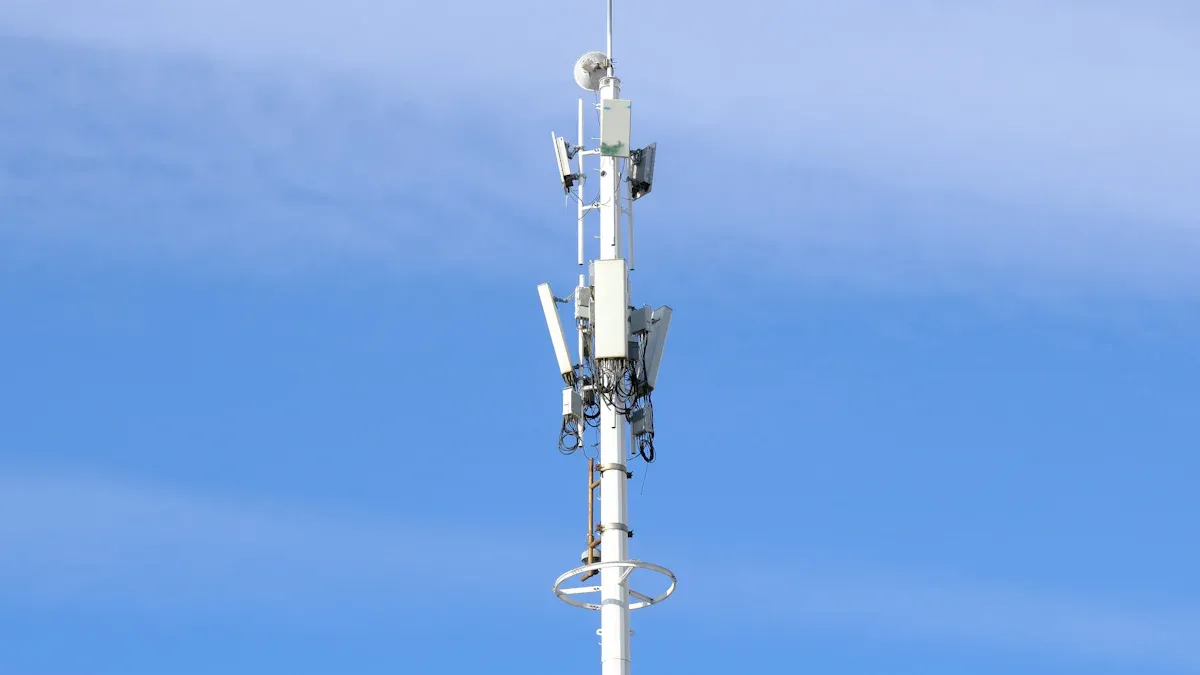
You want a network that can grow and change with new tech. Cloud-native architecture helps you do this. It lets you add new features and fix problems fast. You do not need to rebuild your network each time. Using cloud-native from the start keeps your 5G core ready for the future.
Benefits of Cloud-Native
Scalability
Your network should handle more users as your business grows. Cloud-native lets you add or remove resources as needed. You do not have to buy new hardware every time. This saves money because you only use what you need. You do not waste money on things you do not use.
Flexibility
You must launch new services quickly to stay ahead. Cloud-native makes this simple. You can add new features in weeks, not months. You can also change your network to fix problems fast. This helps you keep customers happy and your business strong.
Cloud-native gives you tools to face new challenges. You can try new ideas without big risks.
Here is a table that shows why cloud-native is a smart choice for your 5G core:
| Benefit | Description |
|---|---|
| Operational Cost Reduction | Cloud-native lowers costs by cutting spending and speeding up setup. |
| Improved Service Delivery | You can launch services in weeks, not months, so you stay ahead. |
| Enhanced Flexibility | It is easier to scale and manage your network resources. |
Automation and Orchestration
Zero-Touch Operations
You do not want to do everything by hand. Cloud-native uses automation to do many jobs for you. Zero-touch operations mean your network can fix itself and make changes alone. This lowers your costs and stops mistakes. Your network runs well, even as it grows.
- Automation and orchestration, including zero-touch AI, help run 5G networks.
- They lower the Total Cost of Operations (TCO) by cutting maintenance and energy costs.
- End-to-end automation lets you watch and improve your network in real time.
Dynamic Resource Allocation
Your network should use resources in the best way. Cloud-native lets you move resources where they are needed most. If one part gets busy, you can send more power there. This keeps your service strong and costs low.
Early 5G networks use automation for jobs like changing settings or updating systems. This means less manual work and more savings. You can focus on growing your business, not fixing network problems.
When you pick cloud-native, your network is ready for the future. You save money, work faster, and keep your customers happy.
Avoiding Costly Rebuilds in 5G Networks
You want to avoid spending extra money fixing mistakes in your 5g networks. Careful planning and smart actions help you prevent costly rebuilds. When you know what to look for and how to act, you keep your network strong and ready for the future.
Assessment and Planning
Gap Analysis
Start by checking your 5g networks for weak spots. Gap analysis helps you find what is missing or not working well. You compare your current setup to what you need for a strong network. This step shows you where to focus your efforts.
- Use automated inspection tools to check your sites. These tools save money and keep your team safe.
- Digitize your post-construction checks. Digital records help you see if your network matches your plans. You fix problems early and avoid rework.
- Look for missing features or old equipment. Make a list so you can plan upgrades.
Tip: Regular gap analysis helps you spot issues before they grow into big problems.
Stakeholder Alignment
You need everyone on the same page to avoid mistakes in 5g networks. Stakeholder alignment means you talk with all teams and partners. You share your goals and plans. This step keeps your project moving in the right direction.
- Hold meetings with vendors, engineers, and business leaders.
- Set clear roles and tasks for each group.
- Use digital workflows to track progress and share updates.
When everyone works together, you stop errors and delays that lead to rebuilds.
Implementation Strategies
Monitoring
You must watch your 5g networks all the time. Good monitoring helps you catch problems early. Use service assurance tools to spot issues and fix them fast. Automated workflows let you move from fixing problems after they happen to stopping them before they start.
- Set up end-to-end test automation. This checks if your network works as planned.
- Use data insights to see how your network performs. Analytics help you find weak spots and improve them.
- Self-Organizing Networks (SON) can adjust settings on their own. This keeps your network running well.
| Monitoring Tool | Benefit |
|---|---|
| Test Automation | Finds problems early |
| Service Assurance | Detects incidents fast |
| SON | Optimizes network automatically |
Iterative Improvements
You should always look for ways to make your 5g networks better. Small, steady changes help you avoid big rebuilds. Use feedback from monitoring to guide your next steps.
- Try new solutions in small parts of your network first.
- Fix issues as soon as you find them.
- Use expertise from different vendors to solve problems quickly.
Note: Iterative improvements keep your 5g networks up to date and ready for new challenges.
By following these steps, you lower your risk of costly rebuilds. You keep your network strong, flexible, and ready for the future.
You must have a strong 5g core architecture. This helps you avoid spending lots of money later. Bad planning makes your costs go up and your network stop working more often. Some big problems are weak lifecycle management, not enough operational ownership, and missing security steps. You can save money if you plan ahead, use lifecycle-driven design, and pick cloud-native solutions.
Smart decisions help your network grow and change without expensive repairs.
- Pick modular approaches so upgrades are simple.
- Use open standards so you do not get stuck with one vendor.
FAQ
Why does poor 5G core architecture increase costs?
You pay more because your network cannot grow or change easily. You need to fix mistakes, add new features, or upgrade old parts. These actions cost more money and time.
Why is lifecycle management important for 5G networks?
You need lifecycle management to keep your network strong. It helps you plan upgrades, fix problems early, and avoid big rebuilds. This saves you money and keeps your service reliable.
Why should you avoid vendor lock-in in 5G core design?
Vendor lock-in limits your choices. You cannot switch to better or cheaper solutions. You pay more and cannot use new technology quickly. Open standards give you more freedom.
Why does automation matter in 5G core operations?
Automation reduces manual work. You make fewer mistakes and save time. Your network runs better and costs less to maintain. You can also fix problems faster.
Why do RF and interference issues hurt 5G performance?
Bad RF planning causes slow speeds and dropped calls. You lose customers and spend more to fix problems. Good RF modeling keeps your network strong and reliable.
Why is cloud-native architecture the best choice for 5G core?
Cloud-native lets you scale your network fast. You add new features easily and save money. Your network stays ready for new technology and changes in demand.