Company News
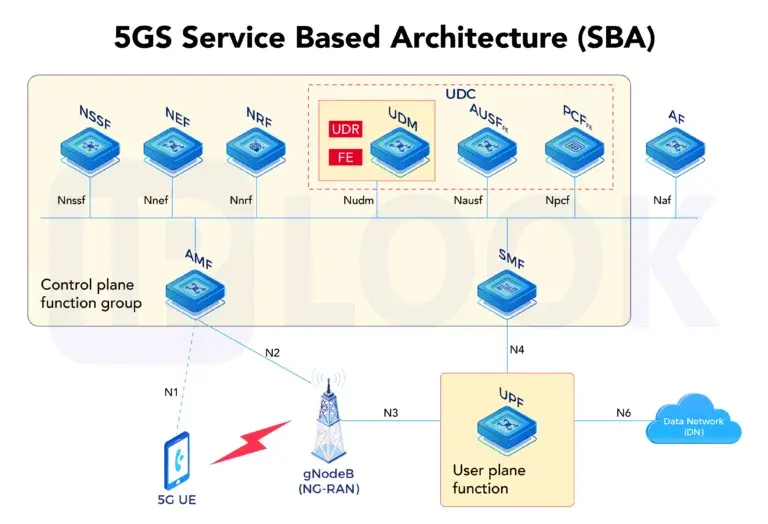
The Flexibility of SBA Architecture: Paving the Way from 5G to 5G-Advanced
As the telecom industry evolves from 5G to 5G-Advanced, network operators and enterprises face a critical question: how to build a core network that can


As the telecom industry evolves from 5G to 5G-Advanced, network operators and enterprises face a critical question: how to build a core network that can

FWA network growth is limited by spectrum constraints, outdated platforms, capacity issues, competition, high costs, and rapid technology changes.

Operators control OPEX in large FWA deployments by using automation, self-installable devices, and unified management to cut costs and boost efficiency.

Subscriber growth strains FWA networks when bandwidth and hardware limits are reached, causing slow speeds, congestion, and service issues for users.
Core network architecture shapes FWA scalability by enabling flexible resource management, supporting more users, and ensuring high-speed data delivery.

Compare fiber-optic broadband and fixed wireless for rural areas—see which offers better speed, reliability, and value for rural broadband infrastructure.

Wireless broadband networks face scaling issues due to bottlenecks, interference, outdated systems, and security gaps, impacting speed and reliability.

Outdated FWA Platforms limit network growth, cause performance and security issues, and signal when a rebuild is needed for market success.

Technical Debt in FWA networks leads to hidden risks, higher costs, and outages. Learn why teams overlook these issues and how to address them early.