
Rapid subscriber growth often pushes FWA networks to their limits. Many people now pick FWA for internet access. This makes networks reach capacity faster than before. This happens because bandwidth is limited. Hardware cannot keep up. Old systems slow down upgrades. In 2024, FWA networks got almost 4 million new subscribers. They made up 99% of all new fixed broadband customers. When more people join, data traffic goes up. Each customer may see slower speeds or worse experience. Network managers must act fast to protect customer experience. They must make sure networks can grow as more people join.
Key Takeaways
- When many new subscribers join, FWA networks can get overloaded. This makes speeds slower and customers unhappy.
- Network bottlenecks happen when lots of people use the same bandwidth. This causes delays and stops in service.
- Old hardware and legacy systems cannot handle more data. This makes the service worse for everyone.
- Busy times, like evenings and weekends, can cause big network congestion. This leads to more problems with service.
- Automation and real-time monitoring help managers find bottlenecks fast. They can fix these issues quickly.
- Upgrading infrastructure and using new technology, like 5G and AI, can make networks work better. This also increases capacity.
- Good capacity planning and traffic forecasting are needed for future growth. These steps help networks get ready for more subscribers.
- Managing networks early and upgrading on time stops customers from leaving. This also keeps business revenue safe.
FWA Network Bottlenecks Defined
What Is a Network Bottleneck
A network bottleneck is when the system gets too busy. It cannot handle all the traffic at once. This makes things slow or even stop for customers. In FWA networks, this happens when too many people use the same things at the same time. The network cannot give enough speed or be reliable. Customers then notice delays and interruptions.
Bandwidth Limits
Bandwidth is how much data can move through the network at one time. When lots of people use the network, they all share this small amount. If everyone wants more data than the network can give, things slow down for all. Customers may see videos stop to load, downloads take longer, or web pages open slowly. Bandwidth limits get worse as more people join.
Hardware Constraints
Hardware is also important for how well the network works. Each base station, router, or switch can only handle so much data. If too many people connect, the hardware cannot keep up. This can make calls sound bad or drop, and connections break. Old hardware often has more problems because it was not made for today’s high data use.
How Subscriber Growth Exposes Bottlenecks
When more people sign up, every part of the network feels extra pressure. The system must handle more data, more devices, and more requests. This fast growth can show weak spots that were not a problem before.
Data Demand Surges
When new customers join, the total data in the network goes up fast. This can cause the network to get crowded, especially at busy times. The network may get too full, and customers see slower speeds and more stops. Some users, like those with MVNO plans, may have even worse service. Sometimes, the system cannot set up new customers fast enough. This causes delays and mistakes, which make customers unhappy.
Note: When lots of people join quickly, the main network can get crowded, service slows down, and customers get upset.
Legacy System Issues
Many FWA networks still use old systems. These old systems cannot grow to meet new needs. When lots of people join fast, old systems cannot keep up. They may not work well with new data needs or new devices. This makes bottlenecks worse and can make customers unhappy.
- Key reasons why subscriber growth exposes bottlenecks:
- More customers means more data is needed.
- Old hardware and software cannot grow.
- Too much use causes delays and mistakes.
- Customers have a worse experience.
FWA providers need to know about these bottlenecks. This helps them plan for growth and keep their customers happy.
Causes of Bottlenecks in FWA Networks
Bandwidth Congestion
Bandwidth congestion happens when too many people use the network at once. This problem is common during busy times like evenings or weekends. Many people watch videos or play games online then. The network cannot give enough data to everyone. This makes things worse for all users.
Peak Traffic
Peak traffic puts more stress on the network. Many people watch high-definition videos or join video calls together. This heavy use causes buffering and lower video quality. Some people see their videos stop and start. Games can lag too. The network has trouble keeping up with all the data.
- During busy times, people may notice:
- Videos buffer or look blurry
- Downloads and uploads are slower
- Online games have delays
Note: Video streaming uses a lot of data. Even a few people watching ultra-high-definition videos can slow the network for everyone.
Shared Spectrum
FWA networks often use shared spectrum. This means many people share the same radio frequencies. When too many people use it, congestion gets worse. Signal interference from other networks or devices can also cause problems. Weather like rain, snow, or fog can make the signal weaker and slow things down.
| Challenge | Description |
|---|---|
| Signal interference | Other networks, devices, and things in the way can hurt signal quality. |
| Weather conditions | Rain, snow, fog, and hot or cold weather can slow things down. |
| Network congestion | Sharing with many people slows things down, especially in crowded places. |
| Fading issues | Things in the way or being far from the base station weakens the signal and hurts connection quality. |
Hardware and Infrastructure Limits
Hardware and infrastructure decide how much data the network can handle. If equipment is old or not strong enough, it cannot support many people at once. Walls or windows can also block signals and cause problems.
Base Station Overload
Base stations connect people to the network. If too many people use one base station, it gets overloaded. This causes slow speeds and dropped connections. The network may try to help by giving some devices more speed or slowing others down.
| Congestion Management Action | Description |
|---|---|
| Prioritizing Traffic | Sets rules for how much speed or delay each device gets. |
| Rate Limiting | Slows down devices that use too much data. |
| Connectivity Improvement | Uses special rules to help some devices get better connections. |
- Weak signals and CPE attenuation also hurt service quality. If the signal is weak, people get slower and less steady speeds. Thick walls can make these problems even worse.
Backhaul Constraints
Backhaul connects base stations to the main network. If backhaul cannot handle all the data, it becomes a bottleneck. The first backhaul hop must carry all the data from every person connected to it. This can make it hard for the network to grow.
| Constraint Type | Description |
|---|---|
| Spectrum Availability | The right spectrum is needed for good service. Getting enough spectrum is hard and takes planning. |
| Backhaul Bandwidth | The first backhaul hop must carry all the data for every node after it. This can cause slowdowns and limit growth. |
Configuration and Integration Issues
Problems with configuration and integration make the network hard to manage. These problems often happen when different systems or vendors do not work well together. Manual steps and system problems slow the network and make fixing things harder.
Manual Processes
Manual processes, like picking channels or scanning spectrum, can cause mistakes and slowdowns. If staff do things by hand, they might pick wrong channels or miss problems. Self-interference can happen when equipment from different vendors does not work together. This makes things worse for customers.
- Manual spectrum scans waste time.
- Wrong channels make links weaker.
- Self-interference across networks makes customers less happy.
System Incompatibility
System incompatibility happens when parts of the network cannot work together well. This makes it hard to manage services and check performance. Operators have trouble giving customers the service they want. Fixing problems takes longer.
- Managing many services gets harder.
- Connecting core, transport, and radio access networks is tough.
- Checking service quality across different network parts needs better tools.
Tip: Unified assurance solutions can help operators watch and improve service quality, even in complex networks.
Why Do These Bottlenecks Happen?
Bottlenecks in FWA networks happen because more people join and use more data. The network has limits in bandwidth, hardware, and how things work together. Main network congestion grows as more people want good service. More customers and more data use show weak spots in the network. Without upgrades and better management, these bottlenecks slow service and make customers unhappy.
Subscriber Growth Impact on Network Performance

When more people join, every part of the network feels stress. The network must handle more data and more devices. This extra work can cause bottlenecks. Bottlenecks hurt service quality and business results.
Service Quality Decline
Too much demand makes service quality drop. Customers notice delays, higher latency, and packet loss.
Delays and Latency
Delays and latency get worse when data moves too slowly. Video calls and online games need low latency to work well. More subscribers mean more people want low latency. If the network cannot keep up, customers see lag and slow responses.
- More subscribers need low latency, especially for real-time uses.
- L4S can help keep latency low, even when the network is busy.
- FWA networks can improve performance by adding value-added services.
When the core network gets crowded, delays get worse. Customers wait longer for web pages or videos. This makes the service less reliable and hurts the experience.
Packet Loss
Packet loss happens when data does not reach its end point. More subscribers using the network at once makes this problem worse. Packet loss can freeze video calls, break downloads, and stop web pages from loading. Customers complain about these problems, especially during busy times.
| Aspect | Value |
|---|---|
| ARPU per FWA line | $50–$60 |
| Annual revenue per line | $600–$720 |
| Cost to support each line | $533 (to restore headroom) |
| Sector upgrade cost | $80,000 |
| Number of FWA homes | 150 |
| Cost per subscriber | $533 (almost full annual revenue) |
Mobile networks are made for short bursts of use, not heavy loads all the time. Just 50 FWA homes can use as much data as 500-700 smartphones. The spectrum cannot stretch, so congestion grows fast as more people join.
Business and User Risks
Service quality problems do not just hurt the network. They also create risks for the business and for customers.
Customer Churn
When the network slows down or drops, customers get upset. Heavy users can use too much data and make things worse for others. Drops and lag times make customers unhappy.
- Too many new devices can disrupt the network.
- These problems cause slowdowns for FWA users.
- Carriers must manage bandwidth to keep subscribers.
When network performance is bad, more customers leave. Operators must watch and fix network problems to stop churn.
The main complaint is that the service does not meet what customers expect. If the network does not get better, customers may leave for other options.
Revenue Loss
Revenue loss happens when customers leave or use the service less. Each subscriber brings in $600–$720 a year, but it can cost $533 to support one line. If many customers leave, the business loses money and cannot grow. Upgrading a sector costs $80,000, so providers must balance spending with the risk of losing customers.
Subscriber growth can help a business, but only if the network keeps up. If bottlenecks stay, both customer experience and business results will get worse.
Operational Factors Worsening Bottlenecks
Operational problems can make bottlenecks in FWA networks worse. These issues do not just slow the network. They also make customers unhappy and make it hard for providers to keep up as more people join. Knowing why these problems matter helps network managers plan better and avoid big mistakes.
Inefficient Provisioning
Provisioning overload happens when the network cannot set up new customers fast or right. This often comes from doing things by hand and slow steps to turn on service.
Manual Workflows
Manual workflows mean staff must do many steps themselves. They type in customer details, give out equipment, and check connections. This takes a lot of time and can cause mistakes. When more people sign up, staff cannot keep up. Mistakes in manual work cause delays and make it hard to start service on time. Customers may wait longer to get service, which makes them upset.
Note: Doing things by hand makes provisioning overload more likely, especially when many people join at once.
Slow Activation
Slow activation happens when the network cannot turn on new customers quickly. Each delay means customers wait longer to use their service. This problem gets worse as more people sign up. Slow activation also means more mistakes, which leads to more calls for help and unhappy customers. When provisioning overload happens, the network cannot keep up with what people need.
Outdated Support Systems
Old support systems cannot handle what today’s networks need. They slow down important jobs and make fixing problems harder.
Billing Delays
Billing delays happen when the system cannot handle payments or account changes fast. Customers may get wrong bills or wait too long for updates. These delays hurt trust and make customers wonder if the service is good. Billing problems also cost more money and make it hard to plan for upgrades.
Error-Prone Processes
Error-prone processes come from using old software or systems that do not work well together. Staff must fix mistakes by hand, which takes time and can cause more errors. These problems make it hard to track data use and manage accounts. When mistakes add up, customers lose trust in the network.
Resource Shortages
Resource shortages make it even harder to handle network bottlenecks. Providers need enough staff and training to keep up as more people join.
Staffing Gaps
Staffing gaps mean there are not enough workers to do all the jobs. When too few people run the network, provisioning overload gets worse. Staff cannot help customers or fix problems fast. This means longer waits and more complaints.
Training Issues
Training issues happen when staff do not know how to use new tools or systems. Bad training causes mistakes and slow help. Customers notice when staff cannot fix problems or answer questions. Training gaps also make it hard to find and fix network issues before they hurt service.
- Operational factors that make bottlenecks worse include:
- Devices using more bandwidth than expected, which can slow service and make customers leave.
- Fraud and bandwidth abuse, which raise costs for running and planning the network.
- Hard-to-monitor user plane traffic, which makes it tough to find and fix problems.
Providers must fix these operational problems to stop bottlenecks from hurting the network and customer experience. If they do not, they may lose customers and pay more as the network grows.
Preventing and Resolving FWA Bottlenecks
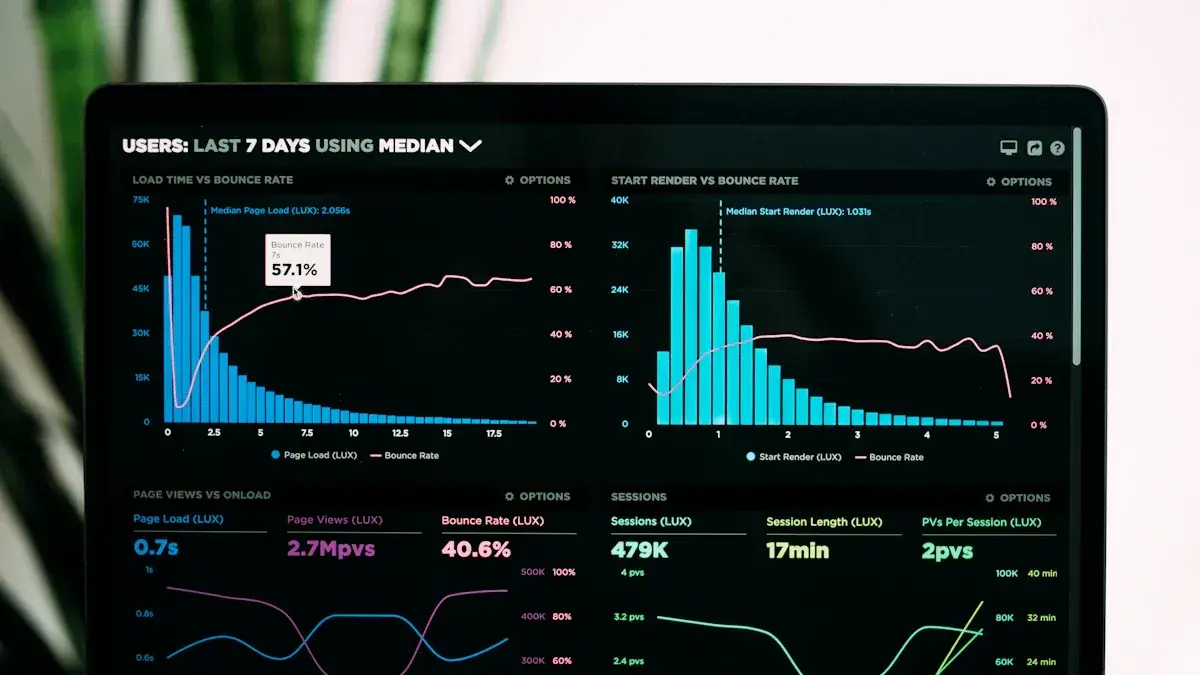
Network managers need to act before too many people join. They can stop and fix bottlenecks with good planning, better equipment, and more automation. These steps keep the network strong and help customers have a good experience.
Capacity Planning
Capacity planning helps the network get ready for more use. Managers use real-time tools to check all traffic. They find places with extra space and spots where spectrum could be a problem. AI tools give details about how much is used now and what will happen later. This helps managers make choices that are good for both customers and the business.
Traffic Forecasting
Traffic forecasting helps managers guess how much data people will use. They look at how people use the network and find patterns. AI systems help guess what will be needed. Managers can see where the network might get busy and plan upgrades before people notice slow service.
Dynamic Allocation
Dynamic allocation means the network changes bandwidth when needed. Smart automation gives important traffic more help and sends resources to busy spots. Automated choices about traffic stop the network from getting crowded. The network stays flexible and grows as more people join.
Infrastructure Upgrades
Upgrading equipment makes the network stronger. New hardware can handle more data and works with new tech. Software-defined networking lets managers turn on or change services from far away. They do not need to send workers to the site. This helps the network react fast when things change.
Modern Hardware
Modern hardware makes the network better. It can handle more users and new devices. Networks with new equipment are ready for problems, strong, and quick to change. These things help keep service steady for customers even when there are issues.
Software-Defined Networking
Software-defined networking lets managers control the network from anywhere. They can turn on or change services without being there. Cloud-native setups let the network fix itself and work better on its own. AI-driven automation makes changes and fixes faster. These upgrades help keep service going for everyone.
Automation and Monitoring
Automation and real-time checks help managers find problems early. Automated setup gets new customers online fast and with fewer mistakes. Real-time tools watch for crowded spots and see what kind of traffic is on the network. Managers can find and fix problems before customers notice.
Automated Provisioning
Automated provisioning makes starting service faster. It cuts down on manual work and mistakes. Customers get online sooner, and staff can do other jobs.
Real-Time Analytics
Real-time analytics show managers how the network is doing. They find crowded spots and guess what will be needed soon. AI tools look at how people use the network and help managers act before there are problems.
Tip: Watching the network all the time and fixing things early keeps customers happy and the network working well.
Managers who use these ideas can stop bottlenecks and help the network grow. They keep customers happy and make sure the network stays strong.
Future-Proofing Subscriber Growth in FWA
Flexible Network Design
Modular Architecture
A modular architecture helps networks change when needed. Each part works like a building block. When more people join, operators add or upgrade blocks. They do not need to change the whole system. This makes it easy to grow or fix problems. Customers get steady service, even as the network gets bigger. Modular design also lets new services and devices work well. Operators can react fast when customers want something new.
Cloud-Native Solutions
Cloud-native solutions make networks more flexible. These run on virtual platforms, not just fixed hardware. Operators can update or add services without waiting long. Cloud-native tools help manage resources and keep service steady. It is easier to watch for problems and fix them early. This design lets upgrades happen fast and keeps service smooth for everyone.
Tip: Networks with cloud-native and modular designs can grow with their customers. They avoid big problems and keep customers happy.
Embracing New Technologies
5G Integration
5G technology helps networks handle more people. It gives faster speeds and more space for data. Customers can use more apps that need lots of data without slowdowns. 5G lets operators serve more people in busy places. It is also good for areas where building new cables is hard. With 5G, the network can be the main internet source, just like wired service. This helps operators keep up as more people join and want good service.
AI Optimization
AI optimization makes networks smarter. AI tools watch traffic and change resources right away. This keeps service strong, even when many people use the network. AI can guess where problems might happen and fix them early. It also helps keep data safe by handling it close to home. Networks with AI can support new things, like telemedicine and robotics, that need fast and steady connections. Customers get better service, and operators can grow without spending too much.
- Key reasons to use 5G and AI in FWA networks:
- They make speed and service better for everyone.
- They let networks grow fast and handle more users.
- They help operators keep customers happy, even when more people join.
Note: Flexible design and new technology help networks stay ahead. They make sure every customer gets good service, no matter how fast the network grows.
Finding and fixing network bottlenecks is important when more people join fast. Network leaders need to think ahead to keep service good and steady. FWA is a smart and cheap way to give internet in many places. New things like 5G and L4S help networks work for more users and make real-time things better.
- Network leaders should:
- Check how the network is doing a lot.
- Make upgrades before problems get big.
- Use new tools to make service faster and smarter.
Doing things early keeps customers happy and stops networks from breaking down.
FAQ
Why do FWA networks struggle with rapid subscriber growth?
FWA networks have limits in bandwidth and hardware. When lots of people join fast, these limits show up quickly. The network cannot give everyone the speed they want. This makes things slow and customers unhappy.
Why does bandwidth become a problem as more users join?
Bandwidth is a fixed resource. More users need more data to move at once. The network cannot make bandwidth bigger. When demand goes up, everyone gets less speed. Videos buffer and downloads take longer.
Why do old systems make bottlenecks worse?
Legacy systems cannot handle new data needs. They use old rules and slow hardware. When many people join, these systems cannot keep up. Upgrades take more time and problems get worse.
Why does peak traffic cause service issues?
Peak traffic happens when lots of people use the network at the same time. The network gets crowded and data moves slower. Users see delays, dropped calls, and bad video quality.
Why is automation important for FWA networks?
Automation helps set up new users quickly. It finds and fixes problems early. Manual work takes longer and causes mistakes. Automation keeps the network running well as more people join.
Why do customers leave when bottlenecks appear?
Customers want fast and steady service. Bottlenecks cause slow speeds and interruptions. When service drops, customers get upset. Many decide to switch to other providers.
Why should network managers plan for growth before problems start?
Planning ahead helps stop service issues. Managers can upgrade hardware and add capacity before the network gets crowded. Early action keeps customers happy and protects business revenue.