Our High-Performing Core Network
Fully virtualizable on VMware, K8S, Docker and OpenStack containers
Evolved Packet Core(EPC)
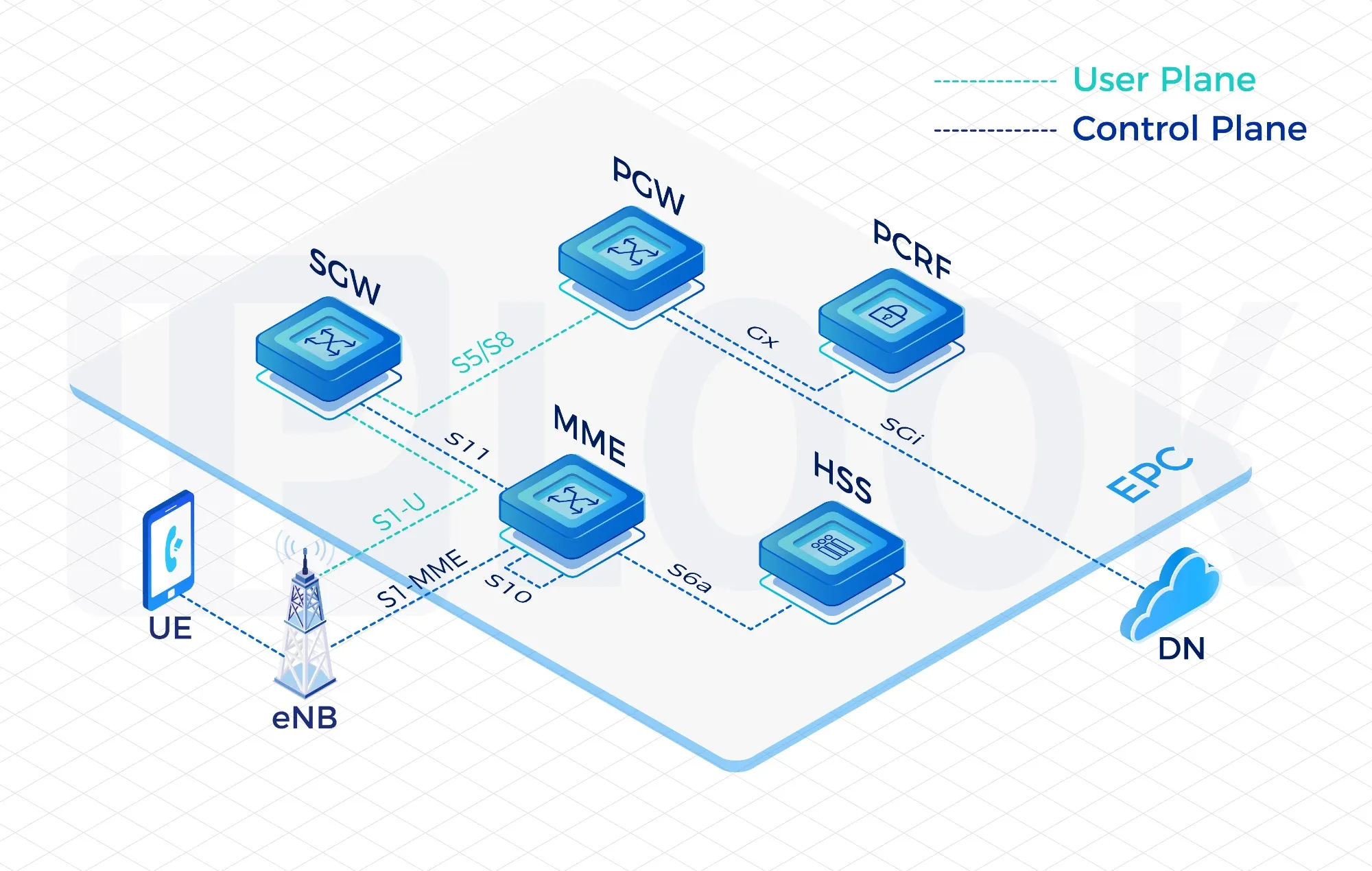
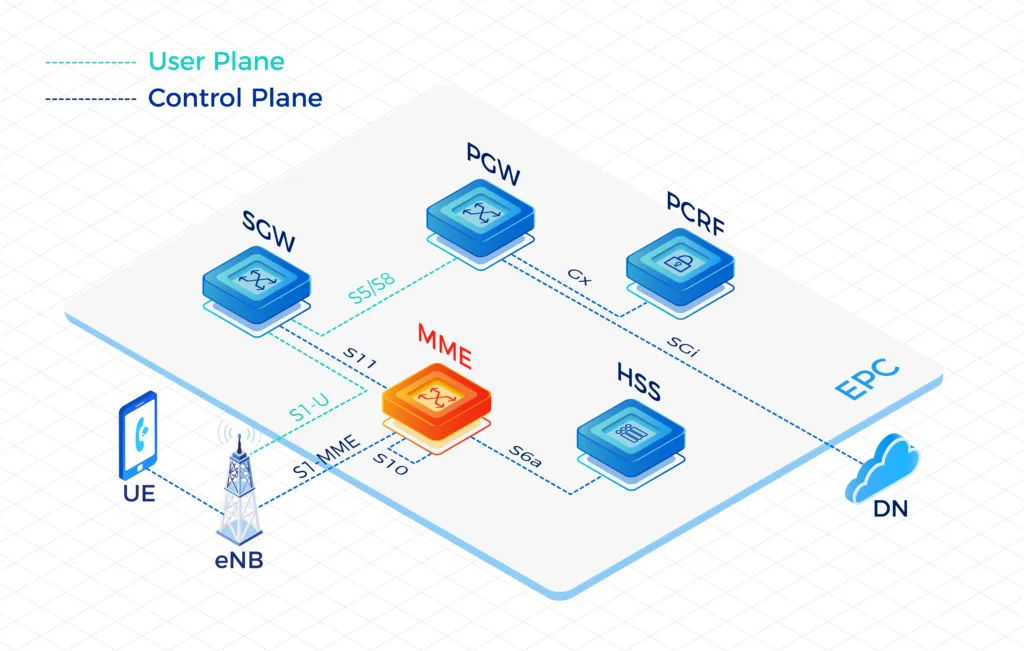
Evolved Packet Core (EPC) is an innovation which depends on GSM/EDGE and UMTS/HSPA technologies, can increase the capacity and speed using a different radio interface together with core network improvements. EPC refers to a core network architecture that aggregates access networks including LTE, 3G or 2G.
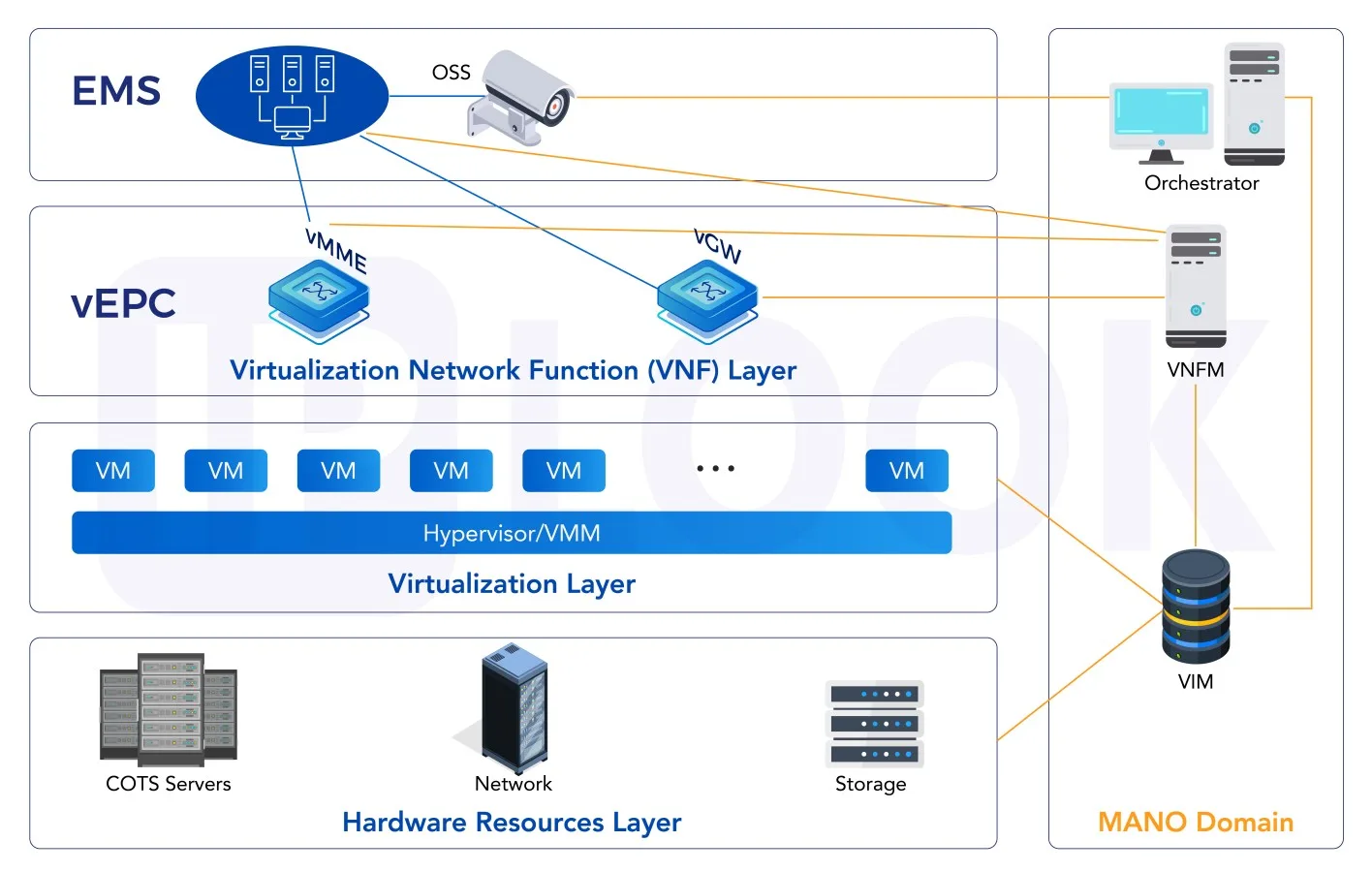
The virtual EPC(vEPC) is a complete LTE packet core solution based on network functions virtualization (NFV) technology. The vEPC can shorten the new service time to market, build an open ecosystem, and stimulate service innovation.

Key Benefits

Fully virtualizable on VMware, OpenStack, K8S and Docker containers

Support the needs of telecommunications and private network users

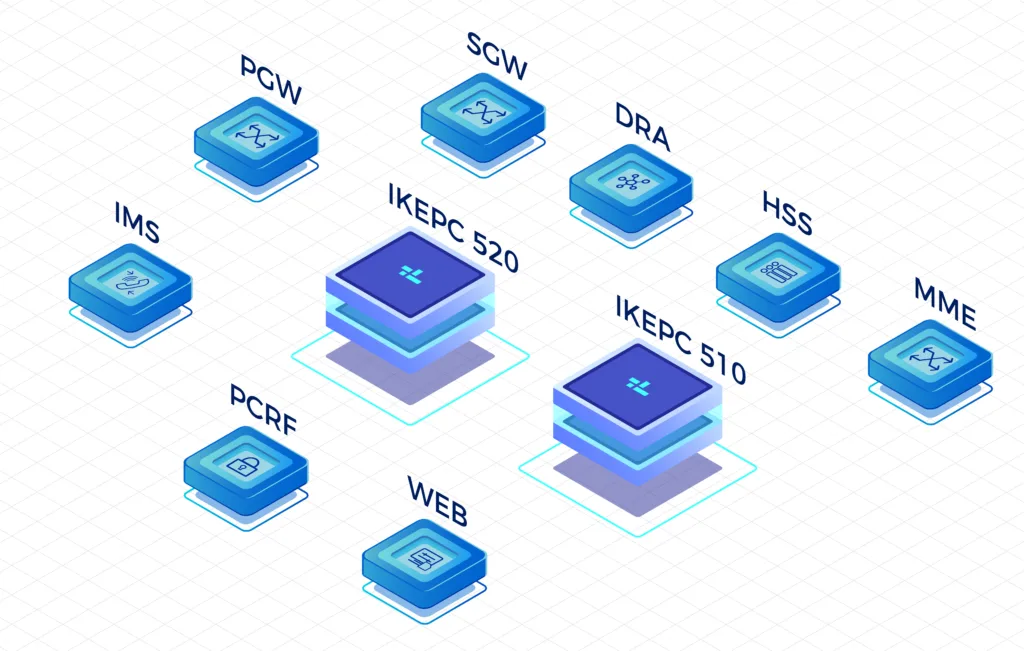
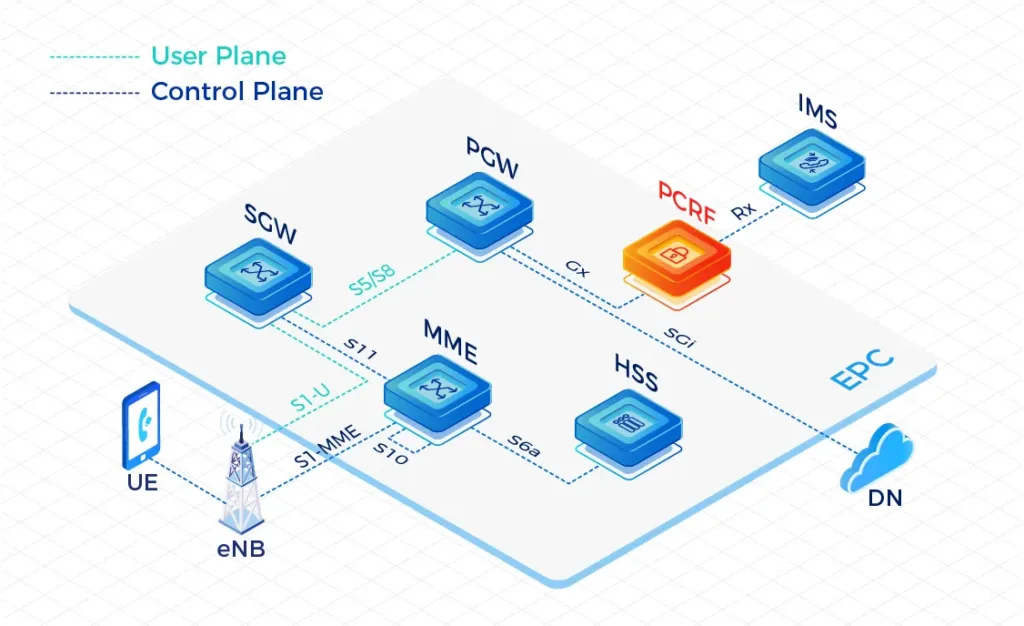
A complete and integrated vEPC platform enables MME, HSS, SGW, PGW in a box

High Scalable Capacity Support Redundancy Deployment

High-speed Data Forwarding Processing

Carrier-grade guarantee Reliable and easy to deploy

Interop with a number of eNodeB systems from third party vendors

Support Centralized and Distributed(CUPS) architecture
IPLOOK's Carrier-Grade vEPC Cost-effective and Flexible deployment models
- IPLOOK’s vEPC(Virtual Evolved Packet Core) provides a fully integrated, flexible, high performance, highly-scalable and cost-effective LTE mobility platform. Our vEPC is enabling MME, HSS, SGW, PGW and PCRF core network functions on any network.
- IPLOOK vEPC is implemented as distinct Linux applications, maximising deployment flexibility. The vEPC doesn’t need to run on a purpose-built hardware and instead are virtualized on the bare metal of a standalone COTS server. This COTS server could be located remotely, in an enterprise, or could be deployed in a Data Center, or in the Cloud. It can also be deployed in a Docker Container, contributing to a more comprehensive NFV solution. The vEPC(Virtualized Evolved Packet Core) product can decrease the cost of OPEX and CAPEX.
- IPLOOK provides a solution that combines 3GPP network functions from EPC and 5GC architectures into a common cloud native software platform that supports 5G Stand-Alone (SA) and Non-Standalone (NSA), 4G, 3G and 2G accesses technologies.