
Company News
The Real Cost of Migrating to 5G Core (Beyond CAPEX)
Understand the real cost of migrating to 5G core, including operational, integration, workforce, and security expenses beyond CAPEX.


Understand the real cost of migrating to 5G core, including operational, integration, workforce, and security expenses beyond CAPEX.
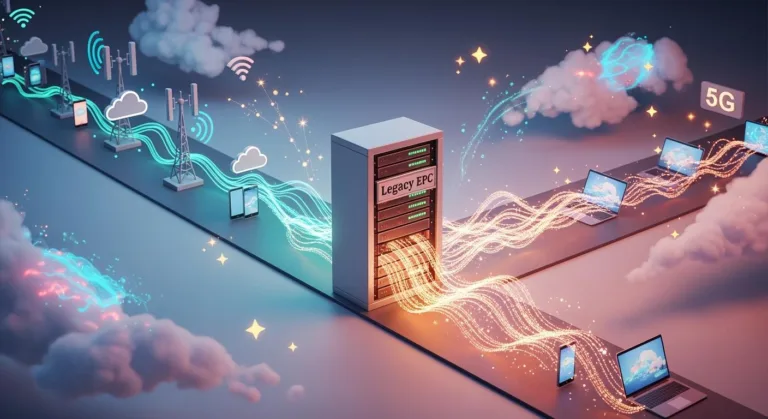
Legacy EPC bottleneck limits 5G features like network slicing and low latency, but remains effective for basic broadband and rural deployments.

Cloudification and automation in 5G networks boost performance, flexibility, and reliability. See which strategies work in practice and what challenges to expect.
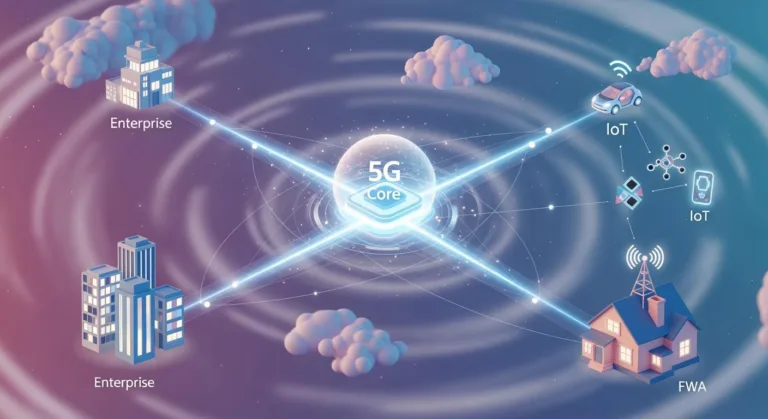
Unified 5G Core Network enables secure, scalable support for enterprise, FWA, and IoT, delivering reliable connectivity and simplified operations for all sectors.
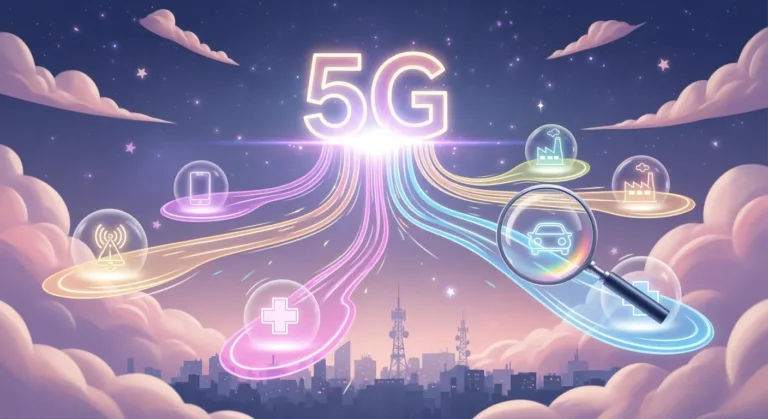
Network slicing in 5G offers real value for critical industries but faces cost, complexity, and security hurdles. Is it right for your business needs?
Many 5G Core Deployments fail to deliver ROI due to integration issues, high costs, slow adoption, and misaligned business cases that hinder profitability.

The right time to move from NSA to SA in 5G networks is when your devices, apps, and network are ready to support advanced features

Cut OPEX with proven 5G network optimization strategies—reduce energy use, automate tasks, and streamline operations for lower costs and better efficiency.
Policy control in 5G core networks empowers CSPs to monetize traffic, enable service differentiation, and unlock new revenue streams beyond traditional ARPU.