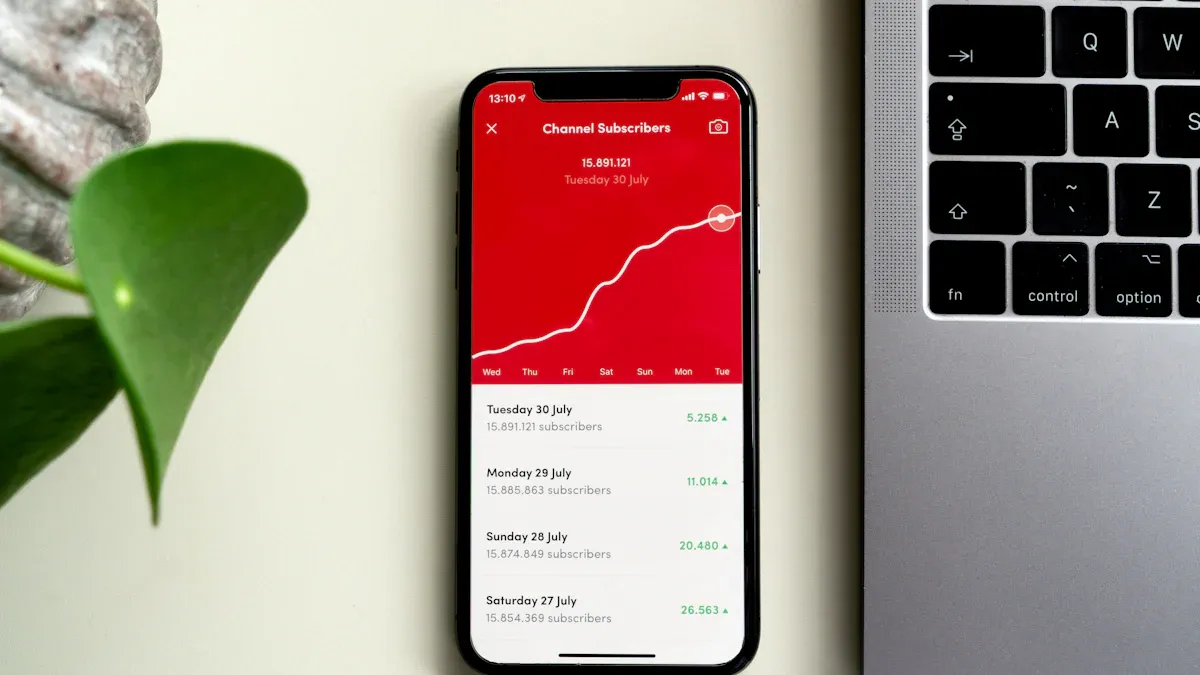
Subscriber Growth can push MVNOs close to their network limits. MVNOs face risk when competition gets stronger and more people sign up worldwide. Host MNO limits, fraud risks, and rules make operators change how they grow. The table below shows how these things affect MVNOs when subscriptions go up fast:
|
Factor |
Impact on MVNO Operations |
|---|---|
|
Host MNO Limitations |
MVNOs have problems because host MNOs set limits. These limits hurt how well MVNOs can give service and grow. |
|
Fraud Risks |
More fraud, like fake identities, means MVNOs need better ways to stop fraud. |
|
Compliance Issues |
Tough rules (GDPR, CCPA) make work harder and bring more checks when MVNOs grow. |
Mobile virtual network enabler solutions can help MVNOs. But operators must watch out to keep money safe and keep service good.
Key Takeaways
-
MVNOs need to watch network performance as more people join. This helps stop service from getting worse.
-
Host MNO limits can slow MVNO growth. Operators should make deals that can change with new needs.
-
Fraud risks get bigger when more people join. Using smart validation tools can keep money safe.
-
Following data privacy laws gets harder as MVNOs grow. Strong systems are needed to avoid fines.
-
Checking the network often can find problems early. MVNOs can fix issues before they get worse.
-
Getting new subscribers in steps can help control growth. This keeps the network steady and service good.
-
Watching network use all the time helps MVNOs spot crowding. They can fix it before customers have trouble.
-
Working with host MNOs in joint checks can make service better and work smoother.
Network Risks for MVNOs
Capacity and Quality Issues
Host MNO Limitations
MVNOs use host mobile network operators for their main network. This can be a big problem when more people join fast. Host MNOs often put strict rules on how much MVNOs can use. These rules can stop MVNOs from growing and make service worse. In telecom, companies must make deals that let them change things if needed. If they do not, they might run out of bandwidth when many people use the network. Most MVNOs cannot pick when to upgrade or fix the network. They have to wait for the host MNO to fix problems. This makes it more likely for service to stop working.
Service Degradation
When more people join, the network can get crowded. Too many users can make calls sound bad and slow down data. Customers may have more dropped calls and longer waits. In telecom, bad service can hurt a company’s name. People want good service, so even small problems can make them upset or leave. MVNOs must check their network often to find problems early. They need to fix small issues before they get bigger.
Operational and Compliance Risks
High Network Costs
When more people join, MVNOs have to spend more money. They need to buy more bandwidth and signaling. In telecom, lots of competition can make it hard to make money. MVNOs may find it tough to grow and stay stable with money. They also depend on their host MNO for technology, which can cost more. If the host MNO raises prices or changes deals, MVNOs may have to agree. This can make it hard for MVNOs to make money for a long time.
Regulatory Challenges
Telecom has strict rules for data privacy and keeping customers safe. When MVNOs handle more personal and money data, the chance of data leaks goes up. It gets harder to follow all the rules when growing fast. MVNOs must follow laws like GDPR and CCPA. These laws need strong security and clear ways to handle data. If MVNOs do not follow the rules, they can get big fines and hurt their name. Hard rules can also slow down getting into new markets or growing. MVNOs must spend money on systems to follow the rules and stay safe.
Note: MVNOs have more risks when they handle lots of personal and money data. They face more rule problems when they grow fast. Data leaks can cause money loss and hurt their name.
-
Hard rules can slow down getting into new markets and growing.
-
Following customer safety laws gets harder as more people join.
-
Depending on parent MNOs for tech brings more risks when growing fast.
MVNOs need to know these network risks to keep their business and customers safe. They must have good plans to manage network use, control spending, and follow rules in a fast-changing telecom world.
Subscriber Growth and Risk Mechanisms
Bandwidth and Signaling Strain
When more people join, the network gets busy. The need for bandwidth and signaling goes up fast. The network must handle more calls, texts, and data at once. If the host MNO does not have enough space, MVNOs have trouble. This happens a lot when new deals bring in many users. The network can slow down or stop working well. This is because the system cannot keep up with so many people joining quickly.
Data Congestion
Data congestion happens when too many people use the network at the same time. The system gets full, and internet speeds get slower. People see videos buffer and apps take longer to open. The telecom industry knows congestion makes customers unhappy. MVNOs must look for signs of congestion and fix them fast. They should plan for more users and make sure the network can handle it.
Tip: MVNOs should check how people use data. Finding congestion early helps stop bigger problems.
Connection Overload
Connection overload means the network cannot handle all the new requests. Calls may not work, and messages might not go through. The risk gets bigger as more people join. MVNOs use the host MNO’s systems, which may not grow fast enough. Connection overload can cause dropped calls and lost money. This problem often happens during busy times or special events.
Fraud and Revenue Protection
When more people join, MVNOs face new fraud and money risks. As MVNOs get more users, the risks get harder. The telecom industry has seen that fast growth can show weak spots in security and billing.
Sophisticated Fraud Tactics
Fraudsters attack MVNOs when they grow fast. Subscription fraud happens more often. People use stolen identities to get services without paying. This kind of fraud is about 40% of bad debts in telecom. MVNOs must make their systems better to catch fake accounts. They need strong checks to stop fraud before it gets worse.
-
Subscription fraud goes up when more people join fast.
-
Stolen identities are used to get services without paying.
-
A big part of telecom bad debt comes from subscription fraud.
Usage Validation Challenges
More subscribers make it harder to track and check usage. MVNOs depend on the host MNO’s billing systems. Mistakes can happen and cause lost money. Running services in different places adds more risk. The telecom industry knows billing mistakes and lost profit are big problems.
-
Complex wholesale models make fraud risk higher.
-
Depending on MNO systems can cause billing mistakes.
-
Working in many regions makes revenue loss more likely.
MVNOs must keep their business safe as they grow. They need better tools to find fraud and check usage. The telecom industry shows that planning for growth helps lower risk.
Warning Signs of Network Strain

Performance Metrics
MVNOs use clear numbers to find problems early. These numbers show when more users start to stretch the network. Watching these numbers helps teams fix things before customers notice.
Dropped Calls
Dropped calls mean the network is too busy. If calls fail a lot, people stop trusting the service. MVNOs count dropped calls to see if upgrades are needed. High numbers show the system cannot keep up. Operators must act fast to protect their good name.
Latency Spikes
Latency spikes happen when data moves slowly. People see delays in messages or web pages. These spikes show up when lots of people use the network. MVNOs watch for latency because it means there are problems. Fixing small delays quickly stops bigger outages.
Tip: MVNOs should check their numbers against what others do. This shows if their service is as good as people expect.
|
Metric |
Threshold |
|---|---|
|
>20% |
|
|
Early churn |
<10% |
|
Net Promoter Score |
>+20 |
|
Support tickets |
<5 per 100 users monthly |
Customer and Operational Indicators
Operators look at what customers say and their own data. These clues show if the network can handle more users.
Increased Complaints
More complaints mean bigger problems. People report slow speeds, dropped calls, or bad coverage. MVNOs use data to study these complaints. By looking at customer habits and trends, they can change services to help and make people happier.
-
Changing services for different customers helps MVNOs work better.
-
Looking at data right away lets operators change fast and lower risk.
Support Overload
Support overload means help desks get too many requests. Workers cannot answer fast, and wait times grow. This shows the network may be too busy. MVNOs check support data with other numbers to find patterns. Comparing with other companies shows if their support is good.
-
Checking tech skills helps MVNOs get ready for more users.
-
Comparing with others helps operators see how they rank.
MVNOs must watch for these warning signs to stay safe. Finding problems early lets them fix things before they get worse. In telecom, staying alert helps operators avoid risk and keep customers happy.
Real-World Scenarios
Unmanaged Subscriber Growth
MVNOs feel happy when many new people join fast. But fast growth can cause big problems if there is no plan. Many telecom companies learned that ignoring network limits brings trouble.
Service Failures
If too many people join, the network gets too full. Calls may drop, and data can slow down. Customers want service that works all the time. If calls fail a lot, people stop trusting the company. Sometimes, whole areas lose coverage when it is busy. This happens because the network cannot handle so many users. MVNOs need to watch how much people use the network. They should upgrade systems before things break.
Note: Service failures hurt a company’s name and make people leave.
Churn Increase
When service is bad, people leave for other companies. Churn goes up if calls drop or internet is slow. MVNOs spend money to get new users, but bad service wastes that money. High churn means less money and more work for support teams. Companies must know that fast growth without planning can make loyal customers leave.
Compliance and Cost Issues
MVNOs have more problems than just tech issues when more people join. Rules and costs can also put the business at risk.
Regulatory Penalties
Telecom rules say MVNOs must keep customer data safe. When many people join fast, it is hard to follow all the rules. Mistakes with personal data can lead to big fines. Small MVNOs find it hard to keep up with all the rules. They need to spend money on systems to track and report data. Not following the rules can mean fines and a bad name.
-
High starting costs for network and spectrum make it hard for new MVNOs.
-
Hard rules and compliance make it tough for small MVNOs to start.
-
Relying on host networks can hurt service and make deals harder, which hurts profits.
Financial Losses
MVNOs do not make a lot of extra money. Mistakes with taxes or bills can cost thousands of dollars. Moving to new tech like 5G or eSIMs needs a lot of money. Many MVNOs have trouble paying for upgrades and keeping service good. Losing money can make companies cut support or wait to fix things. Operators need to plan for growth and save money for new costs.
-
MVNOs have little extra money, so tax mistakes cost a lot.
-
Moving to 5G or eSIMs needs lots of money, and many MVNOs cannot pay for upgrades and service at the same time.
Tip: Good planning and checking often help MVNOs avoid big mistakes and stay strong.
MVNOs should learn from these real stories. Growing too fast can cause network failures, lost customers, fines, and lost money. Companies that plan and spend on rules and systems keep their business safe and customers happy.
Mitigating Subscriber Growth Risks
Capacity Planning
Forecasting Demand
MVNOs need to guess how many people will use their service. If they guess right, they do not run out of space or waste money. Smart tools, like AI, help them see what customers do. These tools show when people use the network most. This helps MVNOs get ready for busy or slow times. Good guessing means the network works well for more people. Customers stay happy, and the company keeps a good name.
Planning ahead helps MVNOs give customers what they want and beat other companies.
Network Audits
Checking the network often shows where problems might start. These checks help MVNOs find weak spots before they break. Audits also make sure the company does not waste anything. If they find unused parts, they can save money or use them for new people. Audits stop money loss and keep the network strong as more people join. Working with partners helps MVNOs build better systems for later.
-
Audits help find risks early.
-
They help MVNOs spend smart and give better service.
Scalable Infrastructure
Cloud Solutions
Cloud solutions help MVNOs grow fast. They can add new services or reach more people without buying lots of stuff. Cloud lets them start new things in weeks, not months. This speed helps them keep up with changes in telecom. Cloud makes it easy to handle more users and keep service good.
|
Feature/Benefit |
Description |
|---|---|
|
MVNOs start services in weeks, so they can grow fast. |
|
|
Efficient Operations |
Simple steps help MVNOs handle more people. |
|
Personalized Customer Experiences |
Makes customers feel special, which is important when growing. |
|
Minimal Upfront Investment |
MVNOs can start without spending a lot of money. |
|
Unlimited Scalability |
Works for all MVNOs, like consumer, B2B, and IoT. |
|
Secure, As-a-Service Model |
Keeps service safe and working well, even when busy. |
Modular Systems
Modular systems let MVNOs add or take away features when needed. This makes it easy to try new things without changing everything. Modular designs help MVNOs change fast and get ready for new tech. They also help MVNOs grow into new places or sell new things. With modular systems, MVNOs can focus on their brand and helping customers.
|
Aspect |
Explanation |
|---|---|
|
Scalability |
Services grow with more people, adding space or tech without big spending. |
|
Focus on Core Competencies |
MVNOs can work on their brand and customers, not just the network. |
|
Growth Support |
Handles lots of new users and requests without problems. |
|
Growth Alignment |
The system grows with the business, even in new places. |
Tip: Using modular and cloud systems helps MVNOs save money and get ready for what comes next.
Fraud Prevention and Revenue Protection
Advanced Validation Tools
Fraud can make MVNOs lose a lot of money, especially when growing fast. Advanced validation tools check who customers are and stop fake accounts. These tools use smart tech to find problems early. Stopping fraud keeps MVNOs’ money safe and protects the business. Good validation can cut fraud by up to 40% and lower the cost of fighting fraud by 30%.
|
Evidence Type |
Statistic/Impact |
|---|---|
|
Revenue Leakage from Subscription Fraud |
Up to 5% each year for telecoms |
|
Identity Fraud Losses |
Up to 35% of telecom fraud losses |
|
Revenue Loss Reduction |
Subscription fraud loss cut by up to 40% |
|
Cost Reduction in Fraud Management |
Fraud costs go down by 30% |
Real-Time Monitoring
Real-time monitoring lets MVNOs see problems right away. They can stop fraud before it gets worse. This quick action keeps money safe and protects customers. Monitoring also helps MVNOs follow rules and avoid fines. By watching the network all the time, MVNOs fix problems fast and keep service working.
Real-time tools help MVNOs stop threats and keep their business strong.
Collaboration with Host MNOs
Flexible Agreements
MVNOs need host MNOs for network access. Flexible agreements help both groups handle more or fewer users. These deals let operators change network size when needed. Host MNOs can give different service levels based on how much people use. This helps stop sudden problems when lots of people join.
Flexible contracts mean operators do not pay for extra space they do not use. They can get more network space when it is busy. They can use less when fewer people are online. This saves money and keeps service good. Flexible deals also help operators use new tech, like 5G or eSIMs, faster.
Tip: Operators should check their contracts often. They need to make sure the deal still works for them. This stops problems when lots of new people join quickly.
Joint Reviews
Joint reviews help MVNOs and host MNOs work together. These meetings happen often. Both groups look at how the network works and what customers say. They check data to find problems early and fix them fast.
Operators use these meetings to plan upgrades and stop outages. They talk about fraud and rule problems. Working together helps keep money safe and follow the rules. Joint reviews also help both sides learn and get better.
|
Benefit |
Description |
|---|---|
|
Early Problem Solving |
Teams find and fix issues before they grow. |
|
Better Planning |
Both sides prepare for busy times together. |
|
Revenue Protection |
Operators spot fraud and billing mistakes early. |
|
Compliance Support |
Teams work together to follow telecom rules. |
Joint reviews build trust and make the team stronger. When operators work together, they can handle more users without hurting service or losing money.
Balancing Growth and Stability
Strategic Subscriber Management
Phased Acquisition
MVNOs can have problems when many new people join fast. Phased acquisition means adding new users slowly. This helps the network not get too busy at once. By spreading out sign-ups, companies can check their systems and change things if needed. This way, service does not break and costs stay low. Operators use referral programs to help grow at a steady pace. For example, a UK MVNO gave rewards to users who brought friends. This made more people join and helped build a friendly group. Good rewards made people want to share, but planning kept profits safe. Working with stores and other brands is also important. MVNOs team up with shops to reach more people. These deals make it easier for customers to find and use services.
-
Referral programs help MVNOs get more users slowly.
-
Working with stores makes MVNOs easier to find.
-
Brand partnerships help with ads and keeping users.
Continuous Improvement
Continuous improvement helps MVNOs get ready for changes. Operators use data to see what customers do and guess who might leave. Feedback helps companies change plans and keep users happy. Watching churn by group lets MVNOs focus on who needs help. MVNOs also use new tech and make work faster to save money and do better. Automation, like AI chatbots, answers questions and cuts down on work. Managing inventory means having enough products without buying too much. Virtual network tech lets MVNOs grow or shrink as needed.
|
Description |
|
|---|---|
|
Operational Efficiency |
Making work faster and using new tech to save money. |
|
Automation of Customer Service |
Using AI chatbots to answer questions and help customers. |
|
Inventory Management |
Only buying what is needed to avoid too much or too little. |
|
Network Operations |
Using virtual tech to grow or shrink the network easily. |
|
Data Analytics |
Looking at customer data to make services better and plan ahead. |
|
Unified Communications |
Making talking between teams faster and with fewer mistakes. |
|
Negotiating with Network Providers |
Getting better deals to make more money. |
|
Customer Relationship Management |
Using CRM systems to keep customers and make them happier. |
Long-Term Network Health
Keeping the network healthy for a long time needs smart planning and checking often. MVNOs make joining easy and moving numbers simple to build trust. These steps help keep customers and stop them from leaving. Operators use AI to find problems before they get big. Watching the network all the time keeps service good and customers happy. By focusing on smart subscriber management and always getting better, MVNOs build a strong base for growing in telecom.
Tip: MVNOs that grow carefully and keep things steady keep their good name and make customers stay.
MVNOs need to control how fast they grow. If they do not, the network can get too busy. They might also have more fraud and trouble following rules. Planning ahead and checking things often helps stop problems before they hurt customers. Working with partners makes systems stronger and helps MVNOs do well for a long time.
-
Following customer safety laws keeps MVNOs from getting fined.
-
Great customer service and flexible plans make people stay and feel happy.
-
Good marketing brings in more subscribers and helps the company grow.
|
Benefit |
Result |
|---|---|
|
Reduced Churn |
Special campaigns help keep subscribers loyal. |
|
Scalable Operations |
Growing does not make support cost more money. |
|
Cost Reductions |
Using data helps cut costs by up to 20%. |
|
Revenue Growth |
MVNOs can make up to 10% more money. |
MVNOs that grow carefully and keep things steady earn trust and make customers happy.
FAQ
Why does subscriber growth create network risks for MVNOs?
When more people join, the network gets busier. MVNOs may hit limits set by host operators. This can cause service trouble and make costs go up.
Why do MVNOs need to monitor network performance during growth?
Watching the network helps find problems early. Teams can fix things before customers notice. This keeps service good and protects the company’s name.
Why is fraud more likely when subscriber numbers rise?
More users make fraudsters want to attack. They use fake names to get services for free. MVNOs must make security stronger to stop losing money.
Why do regulatory challenges increase with rapid growth?
Handling more customer data makes rules harder to follow. MVNOs must obey strict laws. Mistakes can bring fines and hurt trust.
Why should MVNOs plan capacity before launching new offers?
Planning helps the network handle more people. Without planning, service can slow down or stop. Good plans keep customers happy and lower risk.
Why do support teams struggle during subscriber surges?
More users means more questions and complaints. Support teams can get too busy. Fast answers help keep customers pleased.
Why is collaboration with host MNOs important for MVNOs?
Working together lets both sides change network size. This stops overload and helps with sudden growth.
Why do financial risks rise when MVNOs expand quickly?
Growing fast means spending more on upgrades and rules. Billing or tax mistakes can cost money. Careful planning keeps profits safe.