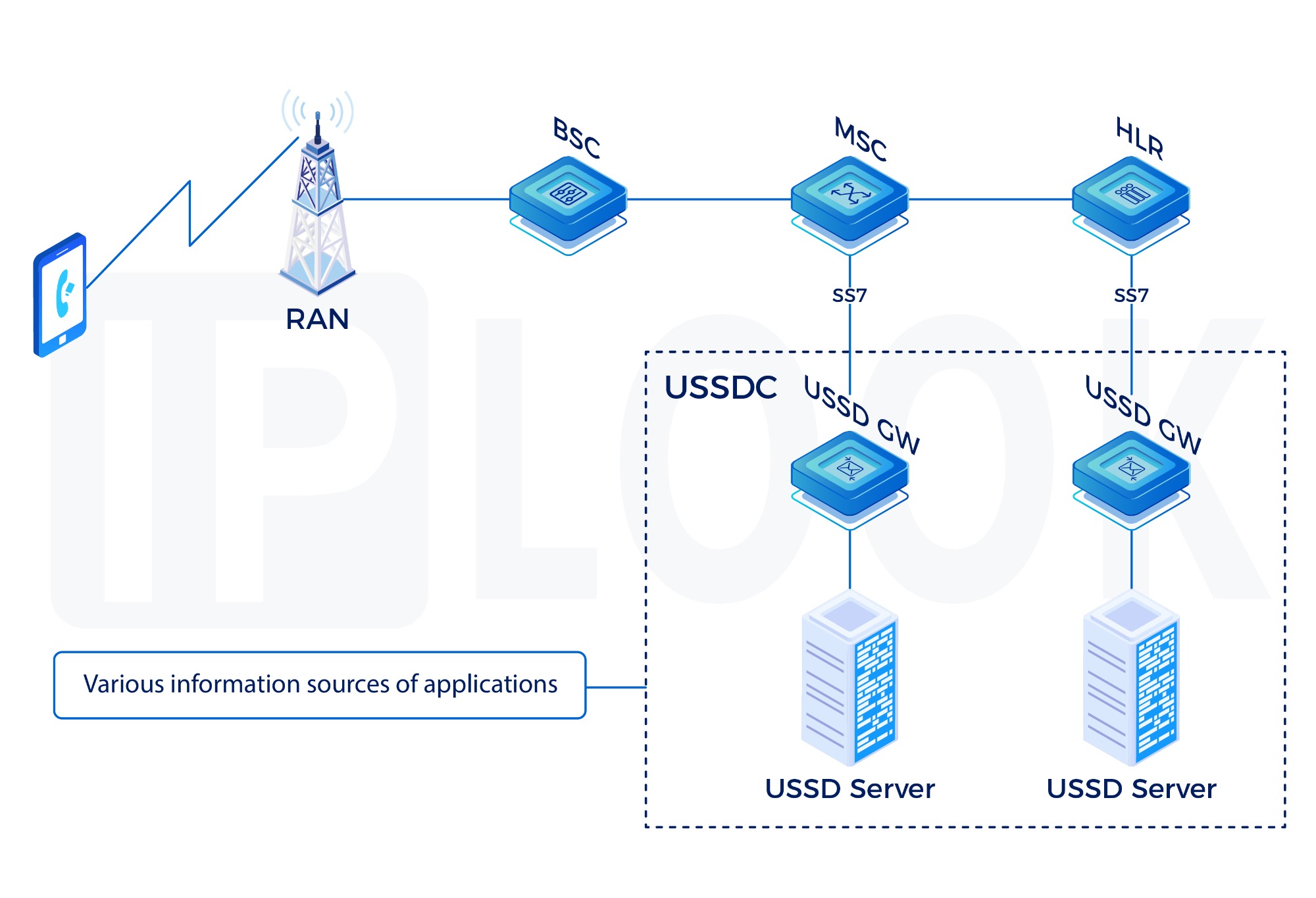
Unstructured Supplementary Service Data (USSD): Interactive Mobile Services Without Internet
USSD (Unstructured Supplementary Service Data) is a user-friendly and highly scalable mobile service that leverages the underlying GSM network. Users can access various services by inputting a short code (e.g., *123#) on their mobile device, initiating a text-based interaction. This simplicity and flexibility allow operators to customize services to specific user needs, making it a critical component in mobile communication networks for fast, session-based interactions.
Core Features Of USSD
- Works on all GSM-enabled mobile devices (wide device compatibility)
- Requires no internet connection (operates via GSM network signals)
- Enables interactive menu-based navigation for intuitive use
- Provides instant feedback and real-time session persistence
- Low-cost implementation for operators and users
- High security with multi-layered protection (data encryption, access control)
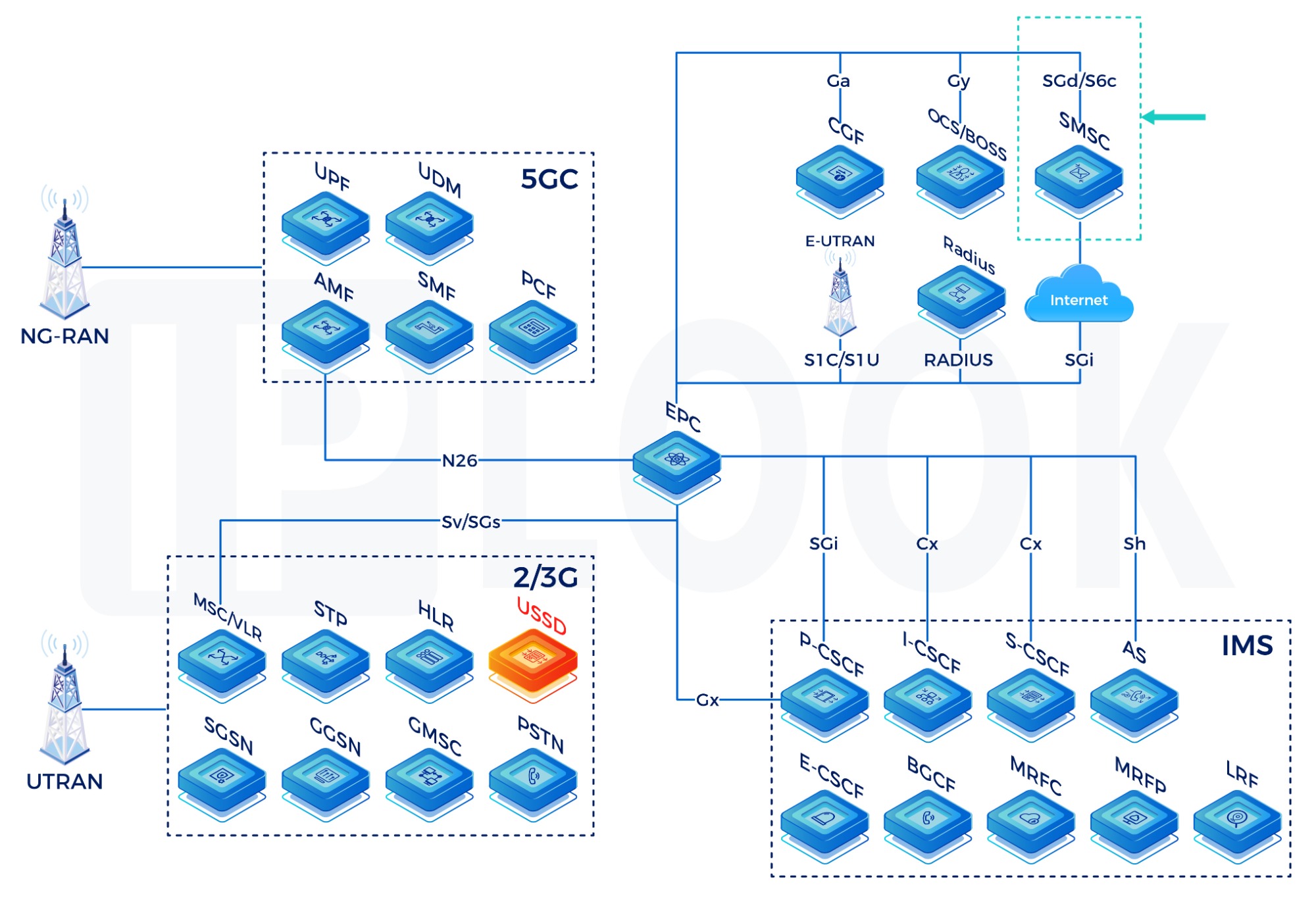
Main Differences Between USSD And SMS
- Connection Mode: USSD maintains a real-time, continuous session with the operator’s system, while SMS uses a store-and-forward mechanism without a persistent session channel.
- Interaction Capability: USSD supports two-way, interactive communication (e.g., menu navigation, instant responses), making it faster and more dynamic than SMS (a one-way messaging service). USSD enables more complex business scenarios due to its interactivity.
- Availability: USSD works as long as there is a basic network signal—no data plan or SMS subscription required. SMS depends on an active SMS service from the mobile operator.
- Storage Need: USSD does not require message storage (real-time transmission), while SMS relies on storage for sending/receiving when the user is unavailable.
Key USSD Service Types
- Customer Self-Service: Check account balances, recharge prepaid plans, manage subscriptions, or query service details—all without internet.
- Information Services: Deliver real-time updates (weather, sports scores, exam results, news) via interactive menus.
- Interactive Services: Facilitate voting, surveys, competition participation, or customer feedback through prompt-based responses.
- Transactional Services: Enable mobile payments, money transfers, bill payments, and banking transactions (e.g., checking bank balances, fund transfers) via secure short codes.
- Emergency Services: Send emergency alerts, disaster notifications, or distress signals, ensuring communication during critical situations.
USSD Solution:https://www.iplook.com/products/ussd
IPLOOK offers a scalable, secure USSD solution tailored to business needs (banking, telecommunications, healthcare, etc.). With modular design, real-time interaction capabilities, and wide network/device compatibility, it supports custom service expansion and seamless integration with existing systems. Contact us now!