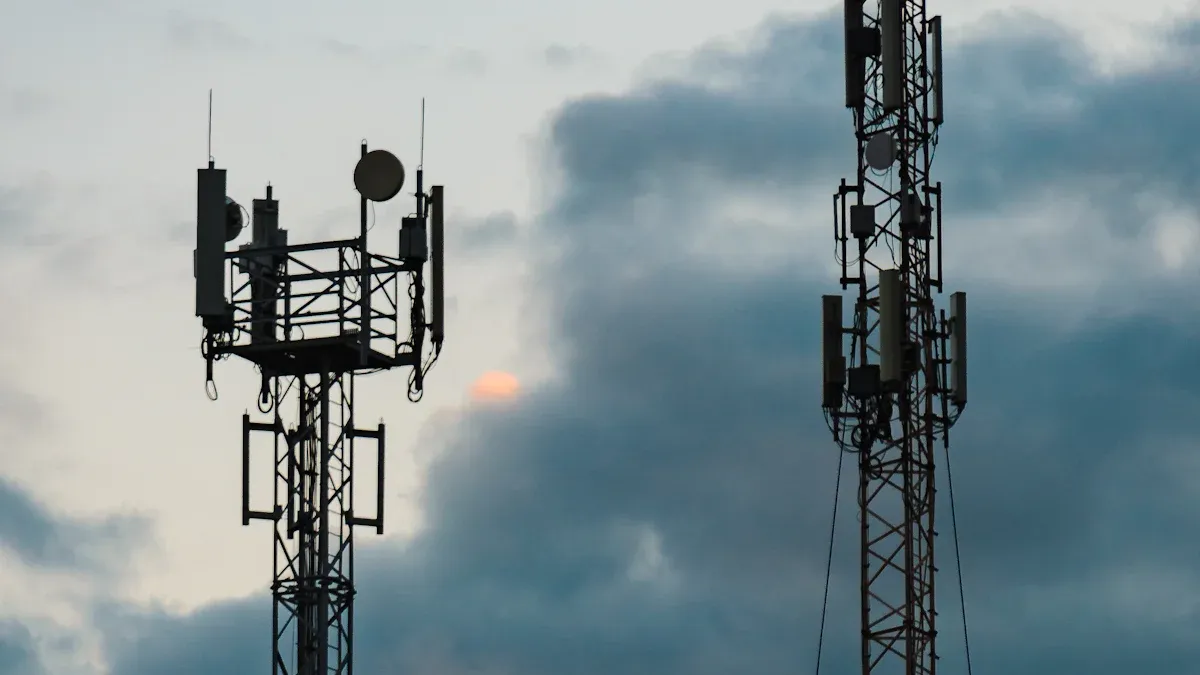
Hidden technical debt in MVNO core network design causes big risks for operators. They have problems like too many updates and security patches. Network teams often use old routers and switches. This can make the network weak and cause many failures. Bad management of IP addresses and DNS settings can let hackers into the network. Finding problems early and managing them well helps stop these issues. It also helps keep costs low.
-
Common risks and costs for MVNOs include:
-
Spending a lot to keep old equipment working
-
More chances for attacks if cleaning is delayed
-
Hard failures happen when the network setup is weak
-
Key Takeaways
-
Hidden technical debt can make MVNO networks weak. It can cause expensive problems.
-
Not fixing old hardware and software makes networks less safe. It also costs more money to run.
-
Writing down technical debt helps teams find problems early. Teams can fix issues before they get worse.
-
Doing regular checks and updates stops technical debt from growing. This keeps networks working well.
-
Using automation means fewer mistakes by people. It also finds problems faster in network management.
-
A proactive culture helps teams work together. It helps them act early against technical debt.
-
Flexible network designs make updates easier. They help add new technology without trouble.
-
Spotting early signs of technical debt helps teams act fast. This stops bigger problems from happening.
Technical Debt in MVNO Core Networks
What Is Technical Debt?
Technical debt is the cost that grows when teams pick fast fixes instead of long-term solutions. In a telco environment, teams do this to meet deadlines or launch new services quickly. These shortcuts can slow down the network later. They also make it harder to add new features. Technical debt can cause more mistakes and higher costs for fixing things.
Tip: Teams can handle technical debt by putting it on their to-do list, giving someone the job, and setting a finish date. Linking technical debt to business goals, like less downtime or faster rollouts, helps everyone see why it matters.
Why It Becomes Hidden
Technical debt often stays hidden in MVNO core networks for a few reasons:
-
Teams do not always write down technical debt, so problems are missed.
-
Fixing old code does not get enough focus, so issues stay.
-
Bad system design makes it hard for teams to find and fix debt.
When technical debt is hidden, it hurts team spirit and slows down their work. It also makes it tough for the network to grow later.
Types in Telecom Networks
Technical debt in telecom networks shows up in many ways. Some common types are:
-
Legacy hardware: Old routers and switches can break and stop new features.
-
Integration shortcuts: Fast fixes during setup can hide problems.
-
Manual processes: Teams may use manual steps instead of automation, which leads to mistakes.
-
Lack of documentation: Missing or old documents make it hard to track changes and find problems.
These types of technical debt can hurt the whole network. They can slow things down, raise costs, and make it harder to grow. Teams that ignore technical debt may have more outages and security problems over time.
Manifestations of Hidden Technical Debt
Legacy Infrastructure Challenges
Outdated Routers and Switches
Old routers and switches stay in MVNO core networks for a long time. Teams keep using them because new ones are expensive and take time to set up. These old devices stop teams from doing more. Teams spend extra time fixing things instead of making new features. This is technical debt because teams just keep things working instead of making them better.
-
Teams need outside vendors for important services. This makes changing or upgrading systems hard.
-
When teams share old equipment, things get delayed. They do not get feedback fast. This slows down how quickly they can meet new needs.
These problems make engineers remember lots of workarounds and old rules. This makes mistakes happen more often.
Integration Shortcuts
Sometimes teams connect new systems to old ones by taking shortcuts. They do this to save time or finish work fast. These shortcuts can hide technical debt deep in the network. Problems might not show up right away, but they get worse over time.
|
Evidence Description |
Impact on Technical Debt |
|---|---|
|
Superior architectures enter production with manual workarounds |
This leads to unrecoverable technical debt, highlighting the risks of integration shortcuts. |
|
Silo-constrained automation amplifies integration debt instead of absorbing it |
Indicates that procedural shortcuts can exacerbate existing technical debt issues. |
Manual workarounds add more things for engineers to remember. Each shortcut means more to track. Over time, these hidden problems make the network harder to handle.
Custom Workarounds
Temporary Fixes
Engineers use quick fixes to solve problems fast. These fixes help for a short time. But they add technical debt because they do not fix the real problem. Teams might forget about these fixes, and they build up over time.
Temporary fixes make everyone remember more things. New team members have to learn all the hidden changes. This makes training slow and mistakes happen more.
Documentation Gaps
Missing or old documentation hides technical debt. If teams do not write down changes, others cannot follow their work. This makes fixing problems or upgrading the network hard.
Documentation gaps make engineers rely on memory. This makes confusion and mistakes more likely. Teams might do the same wrong thing again or miss important steps.
Scalability and Performance Limits
Hidden technical debt shows up when the network needs to grow or handle more traffic. Old systems and quick fixes cannot keep up with new needs. Teams see the network slow down or break during busy times.
High cognitive load makes it hard to see these problems early. Engineers might not notice until users complain. Then, fixing the problems costs more and takes longer.
Note: Teams can lower technical debt by updating old systems, not taking shortcuts, and keeping good records. Lowering cognitive load helps engineers work faster and make fewer mistakes.
Hidden Technical Debt Examples
Deferred Upgrades
Many MVNOs wait to upgrade their networks. They do this to save money or stop downtime. They keep using old hardware and software for a long time. These old systems get slow and hard to fix. For example, one MVNO kept an old firewall for years. The team knew it needed an update but did not act. When a new service started, the firewall could not handle more traffic. The network slowed down and customers were upset. The team had to upgrade fast. This cost more money and took longer. This story shows why waiting to upgrade can hide problems. Teams do not see the risk until something breaks.
Note: Waiting to upgrade may look safe. It can hide bigger problems that show up when things get busy or break.
Manual Operations
Some MVNOs do important jobs by hand. For example, they type in network settings or check logs without tools. One team used a spreadsheet to track IP addresses. A new engineer joined and made a small mistake. This mistake caused a network outage for hours. Doing things by hand makes mistakes more likely. It also slows down work and makes problems hard to find. Teams may not see these risks until something goes wrong. This is why doing things by hand can hide technical debt.
-
Doing things by hand means more human mistakes.
-
Teams spend more time fixing errors.
-
New workers need extra training to learn old ways.
Incomplete Automation
Many MVNOs start to automate their networks but do not finish. They might automate some jobs but leave others for people to do. For example, one company made scripts to restart servers but did not automate software updates. When a bug showed up, the team had to update each server by hand. This took hours and made the fix slow. Not finishing automation leaves gaps. These gaps can cause delays and make the network less strong. Teams may not see the problem until they need to move fast.
|
Scenario |
Hidden Risk |
Why It Matters |
|---|---|---|
|
Only some tasks automated |
Gaps in coverage |
Delays during incidents |
|
Old scripts not updated |
Outdated processes remain |
Hard to scale or troubleshoot |
Tip: Teams should check all automation often. This helps them find gaps and lower hidden risks.
These stories show why MVNOs must look for hidden technical debt. If they ignore these problems, things get worse later. Fixing issues early helps networks stay strong and ready to grow.
Risks of Ignoring Technical Debt

Operational Inefficiencies
When teams ignore technical debt, daily work gets harder. Old systems and quick fixes make simple jobs slow. Engineers spend lots of time fixing the same things. They do not get to improve the network much. Teams must remember many workarounds, so mistakes happen more. They do not trust their tools and check everything twice. This uses up time and energy. Using manual steps means teams cannot react fast to changes. The network is not as reliable. Customers notice delays and may stop trusting the service.
Increased Costs
Technical debt makes things cost more in many ways. Teams spend money to keep old equipment working. They pay for extra help and emergency repairs. When something breaks, it takes longer to fix because things are complex. Teams might need to hire outside experts who cost a lot. Waiting to fix problems can mean losing money. If the network goes down, customers might leave for other companies. Over time, ignoring technical debt costs more than fixing it early.
Tip: Spending money on updates and clear steps saves money later. Teams can stop big failures before they happen and save cash.
Scalability Issues
Technical debt stops MVNOs from growing. Old systems cannot handle more users or new services. When the business wants new features, the network struggles. Teams work around old tech, which slows them down. They cannot launch new products fast. This makes it hard to beat other companies.
Old BSS systems are called bloated, monolithic, and inflexible. MVNOs must hire consultants to launch promotions. These systems cannot support modern models with IoT, eSIM, and prepaid/post-paid hybrids. This legacy BSS is called ‘the silent killer.’ MVNOs need to use more agile ways like SaaS startups.
If the network cannot grow, MVNOs miss new business. They cannot support new devices or services customers want. This stops growth and puts the company at risk of falling behind.
Security and Compliance Risks
Ignoring technical debt in MVNO core networks brings big security risks. Old systems and quick fixes have weak spots. Hackers search for these weak spots to get inside the network. If teams do not update software or hardware, attacks can happen.
Many MVNOs use old routers, switches, and firewalls. These devices often miss new security updates. Attackers know how to break into old equipment. They use known bugs to steal data or cause outages. Delaying upgrades helps hackers get in more easily.
Custom workarounds and manual steps add more risks. Quick fixes may skip important security checks. Manual processes can lead to mistakes. One wrong setting can expose the whole network. If teams do not write down changes, they may forget to close security gaps.
Note: Security experts say most attacks happen because of old software or missed updates. Teams must keep systems current to stay safe.
Compliance rules protect customer data and privacy. Laws like GDPR and CCPA have strict rules for MVNOs. Technical debt makes it hard to follow these rules. Old systems may not support new security features. Missing documentation can make audits fail. If teams cannot show how they protect data, they may face big fines.
Here are some reasons why technical debt causes compliance problems:
-
Old systems may not log events as the law needs.
-
Manual steps can skip important checks.
-
Missing records make it hard to prove compliance.
|
Risk Factor |
Why It Matters |
Possible Result |
|---|---|---|
|
Outdated hardware/software |
Easy target for hackers |
Data breach or outage |
|
Manual processes |
Higher chance of human error |
Security gaps |
|
Poor documentation |
Hard to pass audits |
Fines or legal trouble |
Teams that ignore technical debt risk losing customer trust. One breach can hurt the company’s name. Customers may leave if they feel unsafe. Regulators may also block MVNOs from offering services.
Tip: Teams should fix technical debt early. This helps them stay secure and follow the law.
Ignoring technical debt is not just a tech problem. It is a business risk. MVNOs must act before small issues become big disasters.
Identifying Hidden Technical Debt
Detection Signs
Teams must know why hidden technical debt shows up before it gets worse. Early warning signs help engineers act quickly. Old systems that break a lot can hide bigger problems. If the network is slow to change or keeps going down, technical debt might be growing. When teams do too much work by hand, they can miss important issues. If many workers leave, new people may not know about old fixes that are not written down.
Tip: Looking for these signs helps teams think less about workarounds. When engineers do not have to remember lots of tricks, they can make real improvements.
If support tickets or complaints go up fast, there may be hidden technical debt. If teams are scared to make changes because things might break, the network is weak. These warning signs matter because they show risks that can get bigger over time.
Automated and AI-Driven Analysis
Automation and AI tools help teams find hidden technical debt faster. These tools check network devices and software for old parts. They also look for missing updates and settings that are not used. Automated systems can find patterns people do not see, like the same errors or slow times when the network is busy.
AI-driven analysis makes work easier by handling lots of data. Engineers do not need to check every log or setting by themselves. AI points out the biggest risks. This saves time and helps teams fix real problems.
|
Tool Type |
What It Does |
Why It Matters |
|---|---|---|
|
Automation |
Finds outdated systems and settings |
Speeds up detection |
|
AI Analysis |
Spots hidden patterns and risks |
Lowers cognitive load |
Automated checks also help teams keep records current. This makes audits simple and helps with compliance. Using these tools means teams can fix small problems before they turn into big ones.
Cross-Team Assessments
Cross-team assessments show why working together is important for finding hidden technical debt. If only one group checks the network, they might miss problems others see every day. By teaming up, groups share what they know about old fixes, manual steps, and missing documents.
These assessments make work easier for everyone. Each team sees things in a different way, so they find risks faster. For example, network engineers know about old hardware, while software teams spot missing automation. Regular meetings and shared reviews help teams find hidden debt early.
Note: Working together builds trust and makes fixing problems easier. When everyone knows the risks, they can plan better upgrades and stop mistakes from happening again.
Teams that work together find and fix technical debt before it grows. This keeps the network strong and ready for new challenges.
Managing Technical Debt
Prioritization Strategies
MVNOs have many problems to solve. They need to pick which ones to fix first. Sometimes, teams feel there are too many issues. Choosing what is most important helps engineers focus. Teams should check which network parts cause the most trouble. These parts might slow down new projects. Fixing the worst problems first stops bigger failures later. When teams know their top jobs, they do not waste time. This keeps the network working well and helps the business grow.
A simple table can help teams choose what to fix first:
|
Issue Type |
Impact on Network |
Fix Urgency |
|---|---|---|
|
Security Gaps |
High |
Immediate |
|
Outdated Hardware |
Medium |
Soon |
|
Manual Processes |
Low |
Later |
Teams that set clear priorities feel less stress and make better choices.
Best Practices for Maintenance
Doing regular maintenance stops technical debt from getting worse. Teams who use new tools and modular design find problems early. Modular design splits the network into small parts. This makes it easy to fix one part without changing everything. Changing code a little at a time keeps it clean and simple. Automation and testing catch mistakes before users see them. These steps help engineers because they do not have to remember everything.
Some good ways to do maintenance are:
-
Using new tools to make code better.
-
Making small changes often instead of big ones.
-
Keeping documents up to date so everyone understands the network.
-
Automating tests and updates to find problems fast.
Regular maintenance lowers the chance of hidden problems and keeps the network ready for new needs.
Building a Proactive Culture
A proactive culture helps teams stop technical debt before it starts. Talking openly lets everyone share ideas and problems. When people take action, they work together to fix things early. This teamwork means no one has to solve every problem alone. Bringing all team members together builds trust and stops mistakes that cause more debt.
Teams that like learning and getting better find risks sooner. They fix small problems before they get big. This way, managing technical debt is easier and the network stays strong.
A proactive culture means fewer surprises and a safer, more trusted network.
Future-Proofing MVNO Core Networks
Designing for Flexibility
MVNOs need flexible networks to keep up with changes. Flexible design helps teams use new technology and meet customer needs. When engineers plan for flexibility, they can add new services easily. They do not have to rebuild the whole network. This way, there is less technical debt and the network can grow.
A flexible network uses new tools and smart ideas. Teams pick custom-built OSS and BSS systems to automate jobs like setting up services and billing. These systems help teams find problems and manage resources. They also show how the network is working. Legacy system modernization turns old systems into ones that are easy to update. This makes the network work better and follow new rules.
Cloud-native telecom applications help teams add features fast. These apps grow when more people use them and work on different clouds. Network function virtualization (NFV) uses software instead of expensive hardware. This helps teams launch services faster and save money. Software-defined networking (SDN) gives teams more control and keeps the network safe.
Teams that build flexible networks can handle new needs and do not get stuck with old tech.
Here is a table that shows important design ideas and their benefits:
|
Design Principle |
Benefits |
|---|---|
|
Custom-built OSS and BSS systems |
Automates service setup, problem tracking, and resource management. |
|
Makes billing, subscriptions, and customer care easier. |
|
|
Gives clear info and helps the business move faster. |
|
|
Legacy System Modernization |
Changes old systems into ones that are easy to fix. |
|
Makes the network faster, bigger, and ready for new rules. |
|
|
Cuts down on technical debt and saves money over time. |
|
|
Cloud-Native Telecom Application Development |
Lets teams add new features quickly with CI/CD and DevOps. |
|
Grows fast when more users join. |
|
|
Works in many cloud places without stopping. |
|
|
Network Function Virtualization (NFV) |
Uses software instead of costly hardware. |
|
Makes it faster to start new services and try new ideas. |
|
|
Saves money on equipment and running costs. |
|
|
Software-Defined Networking (SDN) Solutions |
Puts network control in one place for better management. |
|
Makes the network safer and ready for changes. |
|
|
Makes fixing problems and running the network simpler. |
Continuous Improvement
Continuous improvement keeps MVNO networks strong and ready for anything. Teams that check and update their networks often find problems early. This stops technical debt from getting worse. Regular checks help engineers find old tools, unused settings, or slow parts.
Teams listen to feedback from customers and workers to make changes. They try new ideas in small steps. If something works, they use it everywhere. If it does not, they fix it quickly. This way, everyone learns and trusts each other.
Automation is important for continuous improvement. Automated tests and updates catch mistakes before they get big. Teams do not have to remember everything. Good records help everyone see what changed and why.
MVNOs that always try to get better can grow, stay safe, and meet new needs without worry.
A strong design and a learning culture help MVNOs stay ahead. These steps make sure the network is ready for anything.
MVNOs have lots of problems if they do not fix technical debt. Teams that find these problems early keep their networks strong. Taking action before things break saves money and makes things faster. It also helps the network grow. Using good habits and checking often keeps the network safe and working well. Always trying to get better helps MVNOs stay ahead when things change quickly.
FAQ
Why does technical debt stay hidden in MVNO core networks?
Teams do not always write things down. They use quick fixes to solve problems fast. Old systems make it hard to see what is wrong. Engineers may not notice problems until something breaks or slows down.
Why should MVNOs care about technical debt?
Technical debt makes things cost more and adds risk. It slows down new projects and causes more outages. MVNOs can lose customers if they do not fix these problems.
Why do legacy systems create technical debt?
Legacy systems use old hardware and software. These parts break a lot and cannot add new features. Teams spend time fixing things instead of making the network better.
Why do manual processes add risk?
Manual steps can cause mistakes. Engineers might forget important details. Automation helps teams work faster and safer by making fewer errors.
Why is documentation important for managing technical debt?
Good documentation helps teams keep track of changes and fixes. Without it, engineers make the same mistakes and miss hidden problems. Clear records make upgrades and audits easier.
Why does incomplete automation cause hidden debt?
Incomplete automation leaves some jobs for people to do by hand. This slows teams down and hides risks. Full automation helps teams find and fix problems early.
Why do MVNOs need a proactive culture?
A proactive culture helps teams find and fix problems before they get big. This keeps the network strong and ready for new things. Teams work together and share what they know.
Why is flexibility important in MVNO core network design?
Flexible networks can change with new technology and customer needs. Teams add features quickly and do not get stuck with old systems. Flexibility lowers technical debt and helps the network grow.