
To successfully expand your MVNO in new countries, you need a strong plan. Every market presents different telecom rules, customer habits, and rivals. You will encounter challenges such as making your MVNO stand out, selecting competitive prices, attracting customers, and simplifying the purchasing process. To thrive, it is essential to understand local laws and adapt your strategy accordingly. Utilizing turnkey technology solutions allows you to move quickly and maintain simplicity. As you expand your MVNO, thorough research and strategic decisions will be key to your success.
Key Takeaways
- Make a good plan before you grow your MVNO. Learn about local telecom rules and what customers like. This helps you avoid legal problems.
- Pick full or light MVNO models based on your needs and money. Light MVNOs help you start fast. Full MVNOs give you more control.
- Do deep market research to find your target customers. Learn what they want. Change your services to fit local needs.
- Build strong local partnerships to give better service. This helps you reach more people. Work with local telecom operators for better coverage.
- Use technology like MVNO in a Box and eSIMs. These tools make work easier and help you launch faster.
- Set up a strong billing system for many currencies and payments. This makes cross-border payments simple.
- Give customer support in many languages to build trust. Hire staff who speak local languages. Use translation tools to help.
- Always watch market trends and change your plans. Stay ready to react to changes and what customers say.
MVNO Basics and Expansion Goals
What Is an MVNO?
An MVNO is a company that sells mobile services. It does not own the network equipment. Instead, it rents space from bigger mobile companies. This way, you can focus on your brand and customer service. You can also offer special deals to your customers. There are different types of MVNOs. Each type has its own level of control and jobs to do.
Here is a table that shows the main types of MVNOs and how they work:
| MVNO Type | Control Over Core Network | Control Over SIMs | Billing & Charging | Customer Relationship Management | Value-Added Services | 5G Impact |
|---|---|---|---|---|---|---|
| Reseller | Uses MNO’s | Uses MNO’s | Uses MNO’s | Uses MNO’s | N/A | Relies on MNO’s 5G services and pricing. |
| Thin MVNO | Uses MNO’s or MVNE’s | Uses MNO’s or MVNE’s | Owns & Manages | Owns & Manages | Limited Control | Can offer 5G plans but with limited ability to customize. |
| Medium MVNO | Partially owns (e.g., HLR, HSS) | Owns & Manages | Owns & Manages | Owns & Manages | Full Control | Gains ability to offer more tailored plans on 5G. |
| Full MVNO | Owns & Manages | Owns & Manages | Owns & Manages | Owns & Manages | Full Control | Full Control over 5G services, including the ability to offer network slicing, IoT, and low-latency applications. |
Full vs. Light MVNO
You can pick between full MVNO and light MVNO. Full MVNOs run most parts of their business. Light MVNOs use the host network for many things. Your choice changes how much control you have. It also affects your costs and how fast you can start.
The table below shows the good and bad sides of each model:
| Type of MVNO | Advantages | Disadvantages |
|---|---|---|
| Full MVNO | Greater Control, Brand Differentiation, Multiple MNO Partnerships, Scalability | High CapEx and Opex, Regulatory Burden, Longer Time to Market, Operational Complexity |
| Light MVNO | Low Entry Cost, Fast Deployment, Simplified Operations, Focus on Customer Experience | Limited Differentiation, Restricted Flexibility, Host Dependency, Scalability Constraints |
Tip: If you want to start fast and save money, pick a light MVNO. If you want more control and plan to grow in many countries, choose a full MVNO.
Why Expand Your MVNO?
You might want to grow your MVNO for many reasons. MVNOs often look for new places to find more customers. This helps your brand get bigger. You can focus on groups that need special mobile services. For example, you can help schools or banks. You can also make special offers for these groups. This makes your company different and helps you get loyal customers.
- MVNOs make special offers for certain industries, like banks and schools.
- These offers help your brand stand out and keep customers for a long time.
- More people want mobile services that work with other things, so there are new chances to grow.
Many countries now have new rules that help MVNOs enter new markets. You can use these changes to compete better. If you want to grow your MVNO, you need to know these reasons and plan your steps carefully.
Regulatory Mapping and Compliance
If you want to grow your MVNO in new countries, you must learn the local telecom rules. Every country has its own laws for mobile services. You should look up these rules before you start your business. This helps you stay out of legal trouble and avoid extra costs.
Telecom Rules by Country
First, compare the telecom rules in the countries you want to enter. Some countries make it simple for MVNOs to join. Other countries have tough rules or charge a lot of money. The table below shows how rules are different:
| Country | Key Regulatory Trends | Specific Examples |
|---|---|---|
| United Kingdom | MVNO-friendly policies mandated post-merger to ensure competitive wholesale rates. | Vodafone & Three UK merger led to regulations preventing market consolidation. |
| United States | Consideration of nationwide MVNO access rules to prevent blocking of wholesale agreements. | FCC is exploring regulations similar to those in Europe. |
| European Union | Mandates seamless number portability and prohibits blocking eSIM provisioning. | EU Digital Markets Act requires MNOs to comply with eSIM provisioning for MVNOs. |
| India | Requires MNOs to enable remote SIM activation for all MVNOs. | India’s eSIM Policy enforces compliance with global eSIM standards. |
Licensing and Spectrum Costs
Licensing rules are not the same everywhere. Some countries give easy licenses to MVNOs. Others make you pay a lot or follow strict rules. You need to check these things before you spend money.
| Country | Licensing Requirements |
|---|---|
| India | Unified license for Virtual Network Operators granted on 31 May 2016 by the Telecom Department. |
| Jordan | First MVNO regulations issued in 2008, enabling the first MVNO in the Arab world in 2010. |
| Saudi Arabia | Preparations are underway to permit MVNO services. |
| Thailand | Regulatory issues have hindered MVNO operations; five MVNOs licensed in 2009, but many failed to launch. |
Tip: Always talk to the local telecom office. Ask them about the newest license rules and spectrum costs. This helps you plan your money and time.
Taxation and Local Regulations
Tax rules can make running your MVNO harder. Each country has its own taxes. You might have to pay VAT, GST, or digital service taxes. Billing gets hard when you work in more than one country. Money changes and bank rules make things even trickier.
| Taxation Challenge | Description |
|---|---|
| Varying tax regulations | MVNOs must navigate different tax laws in each country, which can lead to compliance issues. |
| Application of different taxes | MVNOs may need to apply VAT, GST, or digital service taxes depending on the jurisdiction. |
| Billing complexities | Cross-border billing is complicated by currency fluctuations and banking compliance requirements. |
Note: Work with local tax experts. They help you follow the rules and avoid getting fined.
Navigating MVNO Licensing
You need a good plan for getting your license. Start by making a list of all the papers you need. Get your business plan ready and show how your MVNO will help the country. Send your application early. Keep track of your progress and answer questions from the rule makers fast.
- Make a checklist for license steps.
- Collect all the papers you need.
- Get to know the local telecom workers.
- Watch for any rule changes.
If you follow these steps, you can save money and time. Good planning helps you avoid problems and big mistakes. You also build trust with the rule makers and give your MVNO a better chance to do well.
Market Research and Local Adaptation
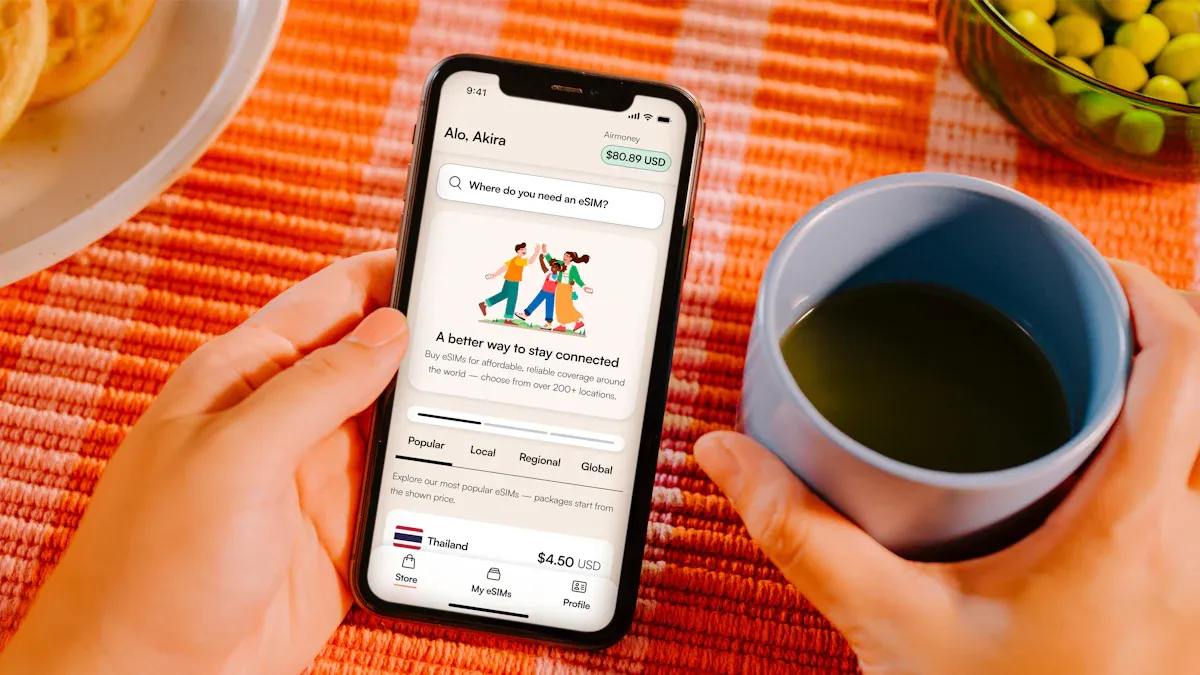
Mobile Internet Usage Patterns
You should learn how people use mobile internet in each country. In some places, many people watch videos and play games. In other countries, people mostly send messages or look at social media. You can read reports from local telecom groups or market research companies. These reports tell you which services are popular and what devices people use most.
| Country | Popular Mobile Activities | Common Devices | Data Usage Trend |
|---|---|---|---|
| South Korea | Video streaming, gaming | Smartphones | High |
| Germany | Messaging, browsing | Smartphones | Moderate |
| Brazil | Social media, messaging | Low-cost smartphones | Growing |
| India | Messaging, short videos | Budget smartphones | Rapidly increasing |
Tip: If you know what people do online, you can give them the best data plans and services.
Consumer Preferences
You need to find out what your customers care about most. People in different countries want different things from their mobile service. Price and service quality are usually very important. Many users do not care much about Mobile Number Portability. Customer happiness and good communication with your company matter a lot. These things are important for people of all ages and backgrounds.
- Price and service quality affect most buying choices.
- Mobile Number Portability is not very important for many people.
- Customer happiness and talking with your company help keep customers.
- Service features matter to everyone.
You should ask local people what they want. You can do surveys or talk to community groups. This helps you make offers that fit their needs.
Tailoring Services for Each Market
You need to change your services for each country. Start by making marketing and sales plans that match local habits. Use local languages and symbols in your ads. Work with local sellers who know the market well. Make sure you follow all local laws and rules. This helps you avoid trouble and build trust.
- Change your marketing and sales to fit local likes.
- Follow local rules so you do not get fined.
- Work with local sellers to reach more people.
Note: Changing your services for each country helps you beat rivals. You can make strong connections with customers and partners.
You can also change your prices and service bundles. Give special deals to students, families, or small businesses. When you listen to local needs, your service feels special and useful.
Expand Your MVNO: Step-by-Step Process
Identify Target Markets
Pick the best countries before you grow your MVNO. First, gather customer data. Look at age, habits, and interests. Use data tools to find groups with similar traits. Make profiles for each group. These profiles show what people want and what problems they have.
Follow these steps to find good markets:
- Get customer data from many places.
- Sort customers into groups with shared traits.
- Make clear profiles for each group.
- Write marketing messages for each group’s likes.
- Use the best ways to reach each group.
- Check how well your ads work.
- Use data to see trends and spot risks.
- Ask customers for feedback and use it to get better.
- Keep learning as markets change.
Tip: When you know your market, you can make your services fit and stand out.
Secure Local Partnerships
You need strong local partners to grow your MVNO. Local telecom operators help you reach more people and give better service. Start by checking coverage choices. Know the difference between on-net and near-net coverage. Always ask for clear Service Level Agreements with penalties for bad service.
Here are good ways to get partnerships:
- Check coverage in each place.
- Ask for SLAs with clear penalties.
- Write down install times and problem steps.
- Make sure prices are clear and show all fees.
- Look at vendor choices and backup carriers.
- Confirm support contacts and 24/7 help.
- Match your goals with your partner’s goals.
- Talk clearly and often.
- Plan projects together.
- Check how partners do and set rewards.
- Use tech to manage partner relationships.
Note: Good partners help you avoid delays and build trust with local people.
Integrate with Local Carriers
Carrier integration is important when you grow your MVNO. You need deals that work for both sides. Know your business, like yearly volume and package details. Find problems before you sign any deal. Look for the best offer. Talk with your carrier and have a backup plan.
Think about these things when you talk:
| Factor | Description |
|---|---|
| Annual volume | Know how much you want to ship or deliver. |
| Package details | Track package weights and sizes. |
| Surcharge volume | Count extra charges and total costs. |
| Shipping zones | Find where you need coverage. |
Watch market changes. Demand and money shifts can change prices. Always check your deal so you do not get stuck with bad terms.
Tip: Careful carrier integration helps you launch faster and avoid big mistakes.
If you follow these steps, you can grow your MVNO in new countries with confidence. You will build a strong base for growth and success.
Swift Implementation Strategies
You want to start your MVNO fast in new places. Moving quickly helps you save money and beat others. You can use smart planning and new technology to go faster.
- eSIMs help you launch your service easily. You do not need to send out SIM cards. Customers can get their SIM profile online.
- Companies like Gigs and eSIM Go have platforms for connectivity, billing, and customer service. These platforms let you launch your MVNO in days instead of months.
Here are ways to make your launch faster:
- Focus on special groups, like travelers or students.
- Use technology to automate jobs. Automation helps with billing, support, and onboarding.
- Work with local companies. Partners help you share risks and spend less.
If you wait too long to launch, you can run into problems. The table below lists the main risks:
| Risk Type | Description |
|---|---|
| Time & Cost | You spend more money and time if you build many integrations. |
| Technical Complexity | Each network uses different systems. You need experts to connect them. |
| Scalability Issues | Without ready-made integrations, it takes longer to expand your MVNO to new countries. |
Tip: Use turnkey platforms and eSIM solutions to avoid delays and lower costs. You can expand your MVNO faster and reach more customers.
Manage Cross-Border Billing
When you grow your MVNO, you must handle payments in many places. Every country has its own rules and ways to pay. You need a system that works everywhere.
The table below shows some good choices for cross-border billing:
| Solution | Description |
|---|---|
| ACI Secure eCommerce | Lets you accept many payment types worldwide. You get access to a large payments network. |
| ACI Speedpay | Gives you flexible billing options. You can match bills to what your customers want. |
| Talking SIP Mobility | Offers a complete billing system. You can deploy it quickly and save money on setup costs. |
Pick a billing system that works with many currencies and payment types. This helps you avoid problems with money and keeps customers happy.
Note: A good billing system helps you grow your MVNO in new countries. You can collect payments easily and keep your business running smoothly.
Multilingual Customer Support
You need to help customers in their own language. Multilingual support builds trust and keeps people loyal to your brand. You must plan your support system before you expand your MVNO.
The table below shows what you need for strong multilingual support:
| Requirement | Description |
|---|---|
| Resource Allocation | Hire agents who speak the languages your customers use. You may also need translation tools. |
| Hiring Multilingual Staff | Find people who know the local language and have good customer service skills. |
Here are steps to set up your support:
- Find out which languages your customers use.
- Look at your customer data and old support requests.
- Put your resources into the most popular languages.
You can use machine translation tools to help your team. Make your website and support content work for voice search in different languages. Use sentiment analysis to see how customers feel in each market.
Tip: When you offer support in many languages, you make your customers feel valued. This helps you expand your MVNO and build a strong reputation.
Technology Solutions for Multi-Country MVNOs

MVNO in a Box Platforms
MVNO in a Box platforms make it easy to start in new countries. These platforms give you all the tools you need. You do not have to build your own systems. The solutions are ready to use and help you save time and money.
Here is a table that lists what these platforms offer:
| Feature | Description |
|---|---|
| Network Access & Connectivity | Pre-negotiated agreements with multiple mobile network operators, including international roaming. |
| Billing & Subscription Management | Cloud-based systems for customer billing and revenue tracking. |
| White-Label Branding | Customizable applications and portals for branding. |
| Regulatory & Compliance Support | Frameworks for telecom licensing and regional compliance. |
| API Integrations | Developer-friendly APIs for integration with business systems. |
| eSIM & Multi-IMSI Technology | Support for embedded SIM and multi-network profiles. |
| Analytics & Reporting | Real-time dashboards for monitoring usage and costs. |
| Customer Support Infrastructure | Tools for managing customer inquiries and support tickets. |
You can use these platforms for billing, branding, and following rules. They also give you tools for helping customers and checking data. This makes growing your MVNO in new places much easier.
eSIM for Global Access
eSIM technology helps you reach people in many countries. You do not need to send out SIM cards. Customers can turn on their plans online before or during travel. This makes things quick and simple.
Here is how eSIM helps your MVNO:
- Customers can start using eSIM plans right away.
- Digital delivery means you do not need local SIM cards.
- You can make special plans for travelers and remote workers.
| Feature | Description |
|---|---|
| Effortless Roaming | eSIMs enable travelers to connect to local networks without changing SIMs. |
| Market Expansion | Simplifies the process for MVNOs to offer services in various countries. |
eSIM lets you grow your MVNO without shipping or customs. Users can connect fast, which makes them happy.
Multi-Network Integration
Working with many network operators can be hard. You have to handle different SIM types and billing systems. Each carrier uses its own system, which can make things confusing.
Some common problems are:
- Managing lots of SIM SKUs costs more money.
- Different billing systems can confuse your customers.
- Connecting with many carrier systems is complicated.
To fix these problems, use platforms that work with many networks. These platforms let you connect to several carriers with one system. You can check usage, handle billing, and give smooth service. This way, your MVNO can grow and stay easy to manage.
Tip: Pick technology that lets you use one system for all networks. You will save time, make fewer mistakes, and run your service better.
Lean Operations and Scalability
When you grow your MVNO in new countries, lean operations help you stay quick and save money. You can try out new markets without spending a lot or hiring big teams. Lean operations mean you only use what you need. This helps you avoid waste and keeps things simple.
A lean way lets you change plans fast. If customers want something new, you can switch quickly. You do not have to wait for long approvals or big system changes. This helps you stay ahead of other companies.
You should build your MVNO with a modular, cloud-native tech stack. This kind of system helps with billing, following rules, and customer care. You can add new features when you need them. You do not have to make a whole new system. The table below shows why a unified tech stack is important:
| Feature | Importance |
|---|---|
| Unified Tech Stack | Handles many operational needs with one system. |
| Scalability | Supports growth in billing, compliance, and customer management. |
Cloud-based tools let you grow or shrink as needed. You can make your MVNO bigger if more people join. You do not need to buy lots of hardware or hire many workers right away. This keeps your costs low and your work smooth.
Lean teams help you check out new places. You can send a small group to test a country. If things go well, you can slowly add more people. This stops you from hiring too many and saves money. The table below shows these good points:
| Benefit | Description |
|---|---|
| Testing New Markets | Lean teams let you explore new places efficiently. |
| Incremental Scaling | Modular structure allows gradual growth, avoiding too many hires. |
| Cost Reduction | You spend less on operations while testing new markets. |
You should use converged billing systems. These tools help you manage bills for different services and countries. Data analytics show you how your business and customers are doing. You can make better choices and improve your offers. The table below explains these parts:
| Component | Function |
|---|---|
| Converged Billing | Manages billing for many services and countries. |
| Data Analytics | Provides insights for you and your customers, helping you make smart choices. |
Lean operations also help you focus on small groups, like travelers or students. You do not need a big team for this. Flexible and scalable systems let you change your offers for each group.
Tip: Start small and grow as you learn. Use cloud-based tools and modular systems to keep your MVNO lean and scalable. This way, you can do well in many countries without spending too much.
You can stay flexible by listening to what the market says. Change your services when you see new trends. Lean operations make it easy to keep up and beat others. You build a strong MVNO that can grow when more people join.
Best Practices for Global MVNO Expansion
Regulatory and Cost Management
When you grow your MVNO in new countries, you must handle rules and costs well. Every country has its own laws for mobile services. You have to follow data privacy rules so you do not get fined. Good management helps you save money and keeps you out of trouble.
Here is a table that shows why strong regulatory and cost management is important:
| Benefit | Description |
|---|---|
| Risk Mitigation and Regulatory Compliance | You follow data privacy laws and lower your risk of breaking rules. |
| Enhanced Visibility and Control | You can see and control mobile devices and IoT endpoints better. This helps you make smart choices. |
| Significant Cost Savings | You find overpayments and combine vendors to save money. |
Tip: Always check the local laws before you start. Use tools to watch your spending and help you follow the rules.
Service Localization
You need to make your services fit each country. People in different places have their own likes and needs. When you know your customers, you can keep them happy and loyal.
- Lyca Mobile uses digital tools to learn about its customers. This helps them build a strong brand.
- You can make special ads for big holidays like Diwali, Lunar New Year, or Christmas. Lyca Mobile did this and kept 6% more customers.
- Data analytics help you see what your customers want. You can change your offers to match their needs.
Note: Making your service special for each country helps you stand out. Customers feel important when you celebrate their culture and listen to them.
Continuous Market Monitoring
You need to watch the market all the time. Trends change fast and new rivals show up. Successful MVNOs focus on small groups and make strong partnerships. You can learn from big brands that use sub-brands and flexible plans to serve many customers.
- Some MVNOs work with search and online ad platforms to grow in new countries. They change their services for each market.
- Global broadband companies start MVNOs to get new customers and make more money.
- In Latin America, digital banks use MVNOs to give special services and get closer to customers.
Tip: Keep checking your market data. Look for new trends and listen to what customers say. This helps you change and grow your MVNO in any country.
Building an Expansion Roadmap
You need a clear plan to grow your MVNO in new countries. This plan helps you stay on track and not make expensive mistakes. You can split the work into easy steps. Each step helps your business get stronger.
First, make a good business plan. Pick your brand and decide who you want as customers. Choose your market and set your goals. A strong plan shows you what to do next and helps you make smart choices.
Next, study the market. See how many mobile companies are there. Learn about the people and what they want. Check if there are too many companies or if there is space for your MVNO. Market research helps you find good chances and avoid problems.
Make prices that bring in customers. Look at what other MVNOs and mobile network operators charge. Give deals that make people want to join your service. Good prices help you keep your customers and grow your business.
It is important to make your service different. Find ways to be special from other MVNOs. Use your brand and ads to show why your service is better. You can give cool features, great support, or special bundles. Being different helps people remember your service.
Plan how you will run your business. Decide how much money you need and where to spend it. Make a budget for tech, workers, and ads. Pick partners who can help you reach your goals. Good planning keeps your business working well.
Here is an easy roadmap you can use:
- Business Plan: Pick your brand, market, and goals.
- Market Research: Study the market, rivals, and what people want.
- Pricing Models: Make prices that bring and keep customers.
- Service Differentiation: Make your MVNO special with cool features and a strong brand.
- Operational Sourcing: Plan your budget and pick good partners.
Tip: Check your plan often. Markets change fast, so you need to be ready. Change your plan when you see new trends or what customers want.
You can use a table to see how you are doing:
| Step | Action Item | Status |
|---|---|---|
| Business Plan | Brand picked, goals set | In progress |
| Market Research | Rivals checked | Complete |
| Pricing Models | Prices tested | In progress |
| Service Differentiation | Cool features planned | Planned |
| Operational Sourcing | Budget and partners picked | In progress |
A clear plan helps you move forward step by step. You will not get confused and can make better choices. Stay focused, check your plan, and change it if you need to. This way, you build a strong MVNO that can grow in any country.
You can expand your MVNO by following a clear plan. Study local rules, adapt your services, and use smart technology. Many MVNOs now focus on operational efficiency and digital ecosystems. You see strong growth in Full MVNO and Service Operator segments. Markets in the U.S. and China show high value and fast growth. Early adopters of new platforms report lower costs and higher revenue. You should watch trends and build partnerships. Take each step with care to grow your MVNO in new countries.
- Full MVNO segment may reach $97.4 Billion by 2030.
- Early adopters see up to 30% cost reduction and 25% higher ARPU.
- Digital ecosystems help MVNOs stand out.
Start with research, adapt your offers, and use technology to succeed.
FAQ
What is the first step to expand my MVNO to a new country?
You should research local telecom rules and market needs. This helps you avoid legal problems and find the best way to enter the market.
How do I choose the right technology for multi-country MVNO operations?
You can use MVNO in a Box platforms or eSIM solutions. These tools help you launch quickly and manage your services in many countries.
Do I need a local partner in every country?
You should work with local partners. They help you understand the market, follow rules, and reach more customers.
How can I manage billing across different countries?
Pick a billing system that supports many currencies and payment types. This makes it easier for you to collect payments and follow local tax rules.
What is the best way to offer customer support in new markets?
You need to hire staff who speak local languages. You can also use translation tools to help your team answer questions from customers.
How do I make my MVNO stand out in a new country?
You should tailor your services and marketing to local needs. Offer special deals or features that match what people want in each market.
What are common mistakes when expanding an MVNO internationally?
Many MVNOs forget to check local laws or skip market research. You should always study the market and follow all rules before you launch.
Can I start with a light MVNO model and upgrade later?
Yes, you can begin with a light MVNO for fast entry. You may switch to a full MVNO later if you want more control and growth.