
FWA networks cannot grow fast because of spectrum limits, old platforms, network capacity, competition, and fast changes in technology. These things make it hard for providers to give fast wireless internet and reach more people. FWA now helps about 10% of broadband users worldwide. Experts think this will go up to 18% by 2030. Many problems come from old platforms and scaling issues. These problems hurt service and new ideas. The table below lists main reasons why FWA networks have trouble giving strong high-speed internet.
| Factor | Description |
|---|---|
| Outdated Platforms | Old systems stop new features and service. This means less chance for new ideas. |
| Scaling Challenges | High costs and slow network growth stop service from getting bigger. |
| Security Gaps | Old technology causes security problems for people using the internet. |
Key Takeaways
- FWA networks have trouble growing because there is not enough spectrum. This limits how many people can use it and how fast it is.
- Old platforms make FWA work badly. They cause slow internet and security problems. Upgrading is needed for better service.
- Network congestion happens when too many people use the same spectrum. This makes speeds slower and connections less reliable.
- FWA must compete with fiber and cable services. These offer faster and more reliable internet. Service quality needs to get better.
- High costs for building and keeping FWA can stop it from growing. Companies must control spending to grow well.
- New technology is important for FWA networks to stay strong. Upgrades help meet what customers want.
- Device compatibility matters for good service. Devices that do not work together cause bad performance and unhappy users.
- Companies should use automation and AI to make service better. This also helps lower costs.
Spectrum Constraints on FWA Growth
Spectrum is the biggest problem for fixed wireless access growth. If there is not enough spectrum, FWA networks cannot get more users or give faster speeds. This problem happens in both cities and the countryside. Providers have to use the spectrum bands that regulators allow. These bands control how much data FWA can send and how many people it can help. When there is no more spectrum, network growth gets slower.
Limited Spectrum Availability
FWA needs certain spectrum bands. Regulatory groups give out these bands. In lots of places, there is not much spectrum. This makes it hard for networks to grow. Cities have even more trouble. Many people want to use the same spectrum. In the countryside, FWA is a cheaper way to get broadband. But if there is not enough spectrum, service can get worse.
Licensed vs. Unlicensed Bands
Providers use licensed and unlicensed spectrum. Licensed bands are more controlled and have less interference. They cost more money and need special approval. Unlicensed bands are free but have more interference. Both types have problems. If too many networks use one band, performance gets worse.
Note: Spectrum quality and size affect FWA performance. Cities have more interference and crowding. The countryside has problems with coverage and service quality.
| Factor | Impact on FWA Scalability |
|---|---|
| Spectrum Availability | Not enough spectrum can make FWA slower and less useful in both cities and the countryside. |
| Regulatory Barriers | Getting licenses is hard and can stop new companies from starting and slow down building networks. |
| Coverage and Capacity | Not enough coverage or crowded spectrum makes networks work worse. |
Congestion and Interference
FWA networks often have congestion and interference. Many people share the same spectrum. This sharing makes speeds slower, especially when lots of people are online. Other wireless networks and devices can also cause interference. These problems make fixed wireless access less reliable.
- Interference from other devices can make connections weaker.
- Network congestion makes speeds slower when many people use the internet at the same time.
- Providers try to fix this with planning and Quality of Service tools, but these do not fix everything.
Impact on Network Growth
Spectrum problems stop networks from growing. When spectrum is full, FWA networks cannot add more users or make speeds better. This problem hurts new and old networks. In some countries, 35% do not have enough sub-6 GHz 5G spectrum. This slows down network growth and keeps many people offline.
FWA growth needs more spectrum and better ways to use it. Without these, networks cannot meet demand. Providers must find better ways to use spectrum to help networks grow in the future.
Outdated FWA Platforms
Performance Challenges
Old FWA platforms make networks slow and weak. These systems cannot give the fast and steady internet people want now. For example, CentraCom’s old DSL and first FWA systems only reached 20 Mbps. This is not enough for what people need today. Many users had problems with their connections. They also had trouble with interference. This made more people leave and feel unhappy. Buildings and trees can block signals. This makes outdoor wireless work less well. Old platforms use old network analytics. These tools do not show problems right away. Providers only find out after customers complain. This makes it hard to fix things fast and stops new ideas.
Providers who use new FWA choices get much faster speeds. They also get better reliability and easier setups. Tarana’s new FWA shows how upgrades can make networks better and help more people.
| Feature | Outdated FWA Platforms | Modern FWA Alternatives |
|---|---|---|
| Speed | Limited (e.g., 20 Mbps) | Gigabit speeds possible |
| Reliability | Inconsistent | High reliability |
| Scalability | Limited | Highly scalable |
| Installation Flexibility | Rigid | Flexible installation |
Security Risks
Old FWA platforms have big security problems. These systems often miss important updates and patches. Hackers use stolen passwords, tricks, and weak spots to get in. More cyber attacks target these weak systems. This makes old platforms easier to break into. Security problems can happen on any network. But old systems have more risk. Providers are slow to see security problems. This is because old analytics only show issues after they hurt customers. This slow response can cause data loss and service stops.
- Old platforms do not watch for security problems in real time.
- Common attacks are phishing and using weak spots.
- Security risks get worse as networks get older and hackers learn new tricks.
Need for Platform Upgrades
Upgrading FWA platforms is very important for growth and new ideas. Adding 5G makes networks faster, lowers delay, and works better. By 2030, experts think 80% of FWA will use 5G. Every year, 40.2 million 5G FWA devices may be shipped. Providers who upgrade make more money per user. This could be $44.09 in 2025. Upgrades help networks grow, work better, and stay safer. Without upgrades, old FWA platforms will keep service bad and stop new ideas.
- Upgrades give gigabit speeds and steady connections.
- 5G FWA subscriptions may grow 29% each year from 2023 to 2030.
- New platforms let providers set up networks in more ways and make customers happier.
Upgrading old FWA platforms is not just about speed. It helps networks get ready for the future, keep users safe, and bring new ideas.
FWA Growth Challenges in Network Capacity
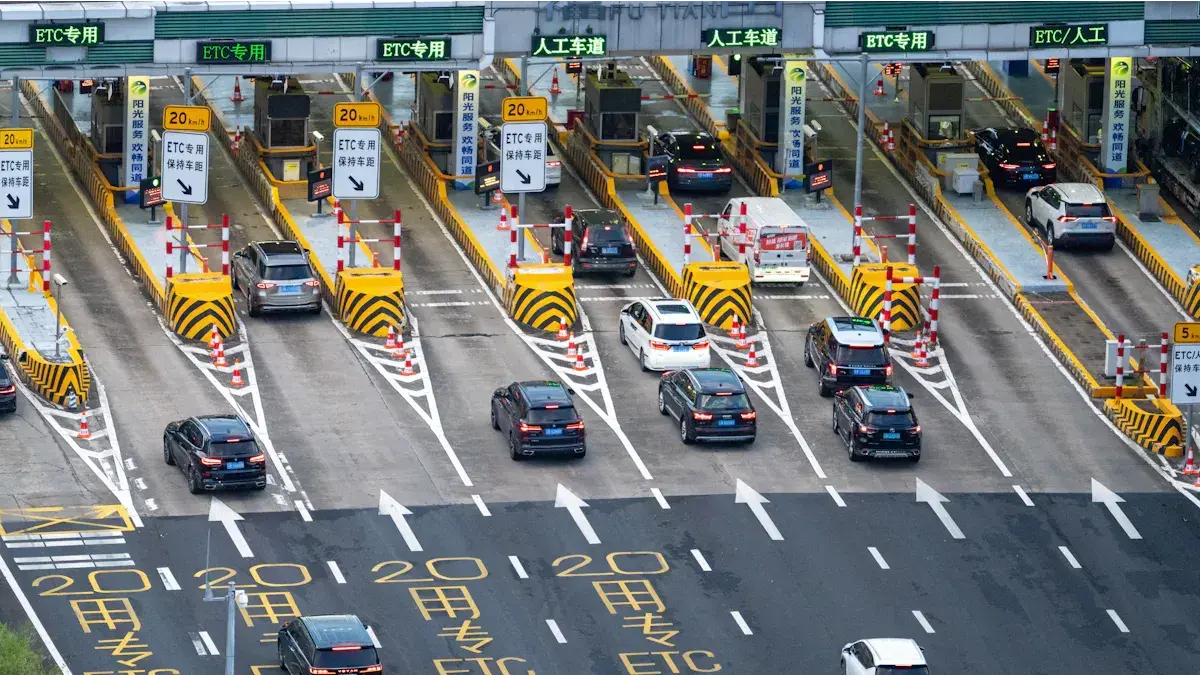
FWA networks have many problems when they try to grow. They want to give good internet to more people. But network capacity limits slow down how fast they can expand. These limits also make service less reliable. The problems get worse in crowded places. More people use the internet there and want better service.
5G Network Limits
5G helps FWA networks go faster and have less delay. But 5G also has its own problems. mmWave signals use higher frequencies. They cannot travel as far as lower bands. Buildings, rain, and trees can block these signals. This makes it harder to grow service and keep it strong. Providers need to plan well to stop signal loss and blockage.
| Challenge | Description |
|---|---|
| Shorter Range/Coverage | mmWave signals use high frequencies, so they do not go as far as lower bands. |
| Signal Attenuation/Blockage | mmWave signals get weaker from things like rain and trees, so providers must plan to fix these problems. |
These problems make it tough for networks to grow fast. It is also hard to keep service strong. FWA providers need smart technology and good planning to beat these problems.
Backhaul and Infrastructure
Backhaul is very important for FWA growth. If the transport network does not get better with new cell sites, users may get bad service. FWA users use more network space than mobile users. This puts more stress on the network and can cause problems.
- FWA users need more space, so planning and enough spectrum are needed.
- Bad backhaul links make bottlenecks and hurt service.
- Equipment must handle busy times or service will get worse.
| Challenge Type | Description |
|---|---|
| Environmental Factors | Bad weather and hard land can mess up signals and hurt service. |
| Spectrum Interference | More people fighting for spectrum can slow things down and make service worse. |
| Equipment Limitations | Hardware must work well when busy; old parts can make things worse. |
| Backhaul Dependency | Bad backhaul links can make bottlenecks and hurt network service. |
Providers need to spend money on better equipment and technology. This helps networks grow and keeps service good. Without upgrades, networks will have trouble growing and giving good internet.
Quality of Service
Network capacity problems hurt service quality. When there is not enough capacity, internet gets slower and connections get weak. Service is not as good, and customers might leave for other companies.
| Metric | Impact of Network Capacity Constraints | Importance for QoS |
|---|---|---|
| Signal-to-Noise Ratio (SNR) | Gets lower when there is less capacity | Needed for better coding and signals |
| Effective Isotropic Radiated Power (EIRP) | Limited by low capacity | Important for keeping links working |
| Uplink/Downlink Data Rates | Go down when capacity is low | Affects how good the internet feels and works |
FWA networks must watch these things to keep service strong and safe. Providers use smart tools to find problems and make service better. If networks cannot keep up, service gets worse and growth slows down.
Note: FWA growth depends on fixing network capacity problems. Providers must upgrade technology, make infrastructure better, and plan for the future. If they do not, service and performance will get worse.
Competition and Market Growth Barriers
Subscriber Poaching vs. Net New Growth
FWA providers have a hard time getting more users. Many companies get new customers by taking them from other broadband services. T-Mobile got 506,000 new fixed wireless customers in Q3 2025. Now, they have almost 8 million users. Verizon had about 4.6 million FWA customers at the end of 2024. Charter Communications lost 109,000 internet customers in Q3 2025. They also lost 60,000 in Q1. This shows that FWA networks often grow by taking users from other companies, not by adding brand new users. The market changes as people look for better prices and service. Many people switch to 5G FWA because it has flexible contracts and costs less. This trend is called ‘cord-cutting 2.0‘ and it affects how FWA networks grow. Companies need to find ways to get new users, not just take them from others.
Competing with Fiber and Cable
FWA networks must compete with fiber and cable companies. Fiber gives very fast internet and is very reliable. Cable networks also give fast service and cover many areas. FWA has trouble growing its user base because its service depends on signal strength and how reliable it is. Distance and things like buildings can make speeds slower, especially when the weather is bad. Companies limit how many users can use each cell to keep service good. This can cause crowding and make it hard to grow. Bad weather and too many users can make service worse and hurt the user experience. Many people pick fiber or cable because they want steady internet. FWA networks need to make their service better and more reliable to compete.
Note: FWA networks must fix problems with signal strength, crowding, and weather to be as good as fiber and cable.
| Competitive Barrier | Impact on FWA Service |
|---|---|
| Signal Strength and Reliability | Slower speeds and weak service |
| Subscriber Caps and Bandwidth | Fewer users and more crowding |
| Seasonal Signal Loss | Service gets worse |
Regulatory and Licensing Hurdles
Rules and licenses slow down how fast FWA networks can grow. Companies need approval to use some spectrum bands. This takes a long time and can stop new companies from starting. Rules can make it hard for networks to cover more areas and help more people. Problems with licenses also hurt service quality. If there is not enough spectrum, FWA networks cannot give fast internet or reach more users. Companies must follow strict rules, which can slow down upgrades and new services. These problems make it hard for FWA networks to grow and compete with other companies.
Tip: Companies can work with rule makers to get licenses faster and make service better. Faster approval helps networks grow and reach more people.
FWA networks face many problems in the market. Competition from fiber and cable, taking users from other companies, and rules all slow down growth. Companies must fix these problems to give better service and get more users.
Operational Costs and Sustainability
Deployment and Maintenance Costs
FWA networks cost a lot to build and keep running. These high costs can stop companies from growing into new places. Building new sites and putting in equipment needs a lot of money. Many companies do not want to spend so much at first. Keeping the network working also costs a lot over time. If these costs stay high, it is hard to keep service good and cheap. Companies need to plan well to spend less and make more money back. When they control costs, they can handle changes in the market and keep their service strong.
High costs can slow down how fast networks grow. This can make it harder for people to get better service.
The table below shows how different costs affect if FWA networks can last:
| Aspect | Impact on Sustainability |
|---|---|
| Deployment Costs | High starting costs can stop people from investing in FWA. |
| Maintenance Costs | Lowering these costs is important for keeping networks going. |
| Energy Efficiency | Using FWA can use less energy and make less pollution. |
| Operational Expenses | Good planning can help lower costs and make more money. |
| Market Adaptability | How well a company can change depends on its costs. |
Energy and Environmental Factors
Energy use and the environment also limit how much FWA can grow. Companies now use devices that save energy and run networks in smarter ways. They want to make less pollution and reach their green goals. ESG rules help decide how companies run their networks with 5G. Using green buildings and tools helps lower pollution from each service.
- Companies pick access points and links that use less energy and give good service.
- Total energy use comes from both sending and getting data.
- How much energy is used for each bit depends on the amount of data sent both ways.
FWA networks must fix these problems to stay ahead. If they do not care about energy and the environment, people who want green service may not choose them. Good service needs both smart spending and smart energy use. When companies buy better technology, they make service better and help the planet.
FWA networks that control costs and use energy wisely can give better service and grow faster.
Technology Evolution and Compatibility
Technology changes very fast. This makes big problems for FWA networks. People want better internet every year. New standards and devices come out all the time. Operators must keep up with these changes to stay in the game. If they do not, their service can get worse. Fiber networks are also growing fast. Fiber gives faster speeds and is more reliable. This makes it harder for FWA to be special.
Integrating New Wireless Standards
FWA networks need to support new wireless standards. This helps them give better service. But upgrading all the time can slow down growth. Operators face many problems when adding new technology.
- Big carriers make it hard for small providers to keep up.
- Problems with spectrum can cause interference and crowding.
- More people using broadband makes networks crowded.
- A race for new technology means operators spend more money.
- More companies in rural areas make competition tougher.
These problems show why FWA networks have trouble staying up to date. Operators must spend time and money to keep their service good.
New technology like Quad OSA can help CPE devices work with many standards. This means they do not need to be replaced as often. This is important because operators face more competition and need to save money when they upgrade their networks.
Device and System Compatibility
Device and system compatibility is important for FWA networks. If devices do not match the network, service gets worse. Problems with compatibility can slow down new setups and hurt how well things work. The table below shows how these problems affect FWA:
| Evidence Type | Measurement Impact (measurable units) |
|---|---|
| Production delays due to supply chain disruptions | 8 to 10 |
| Reduced overall efficiency due to compatibility issues | 12 |
| Device performance affected by quality control inconsistencies | 5 to 7 |
| Decline in deployment efficiency due to integration challenges | 10 |
| Reduced integration speed from technical studies | 8 |
| Cumulative reduction in overall network performance | 10 to 15 |
When networks have these problems, service is not as good. Customers might leave for better internet.
Future-Proofing FWA Networks
Operators must plan ahead to keep FWA networks strong. They use new ideas so they do not fall behind. The table below lists ways to help FWA networks last longer:
| Strategy | Description |
|---|---|
| AI-driven network optimization | Makes networks work better, lowers delay, and improves service. |
| Advanced automation tools | Helps networks grow faster and serve more people. |
| Regulatory adjustments | Makes it easier to get licenses with AI tools. |
| Automation in manufacturing | Makes 5G devices faster and cheaper to build. |
| AI-powered analytics | Helps companies buy what they need and spend money wisely. |
| Investment in AI technologies | Makes networks stronger and helps the environment. |
| Pricing dynamics | Makes prices better for customers. |
| Sustainability focus | Helps networks use less energy and lower pollution. |
| Shift in procurement patterns | Uses AI to help networks work together and grow. |
| Technological evolution | Changes how networks are built and how customers get help. |
Operators who use these ideas can keep their service strong and help more people. They also make networks safer and bring new ideas. If they do not do these things, FWA networks may not keep up with new technology or what customers want.
FWA networks have problems because of spectrum, old platforms, network size, competition, high costs, and fast tech changes. These problems make it hard for networks to grow. They also make it tough to give strong internet service. Companies can help by spending money on better platforms. They should also manage spectrum better and use hybrid solutions. The table below lists ways that work to make service better and keep costs down:
| Insight | Description |
|---|---|
| Automation | Makes costs lower and helps internet service get better. |
| AI/ML Integration | Spots problems early and keeps service good for more people. |
People should think about these things when they decide if FWA can give good internet in the future.
FAQ
Why do spectrum limits slow down FWA network growth?
Spectrum limits mean networks cannot add more users. They also cannot make speeds faster. When lots of people use the same spectrum, service slows down. It also gets less reliable.
Why do outdated platforms hurt FWA performance?
Old platforms cannot use new features or faster speeds. They have more security problems. It is harder for providers to fix things fast.
Why does network congestion affect user experience?
Network congestion happens when many people use the internet. This makes speeds go down. Connections can get weak, especially during busy times.
Why is competition from fiber and cable a challenge?
Fiber and cable give faster and steadier internet. Many people pick these because they want good service. They want it to work well even in bad weather.
Why do high deployment costs limit FWA expansion?
Building and keeping new sites costs a lot. High costs make it hard to grow into new places. It is also hard to make old networks better.
Why must FWA networks keep up with new technology?
Technology changes fast. If networks do not upgrade, they fall behind. They cannot give customers what they want. Staying up to date helps them give better service.
Why is device compatibility important for FWA?
Devices need to work well with the network. If not, users may get slow speeds or lose connection. Good compatibility keeps service strong.