Fully virtualizable on VMware, K8S, Docker and OpenStack containers
Network Repository Function(NRF)
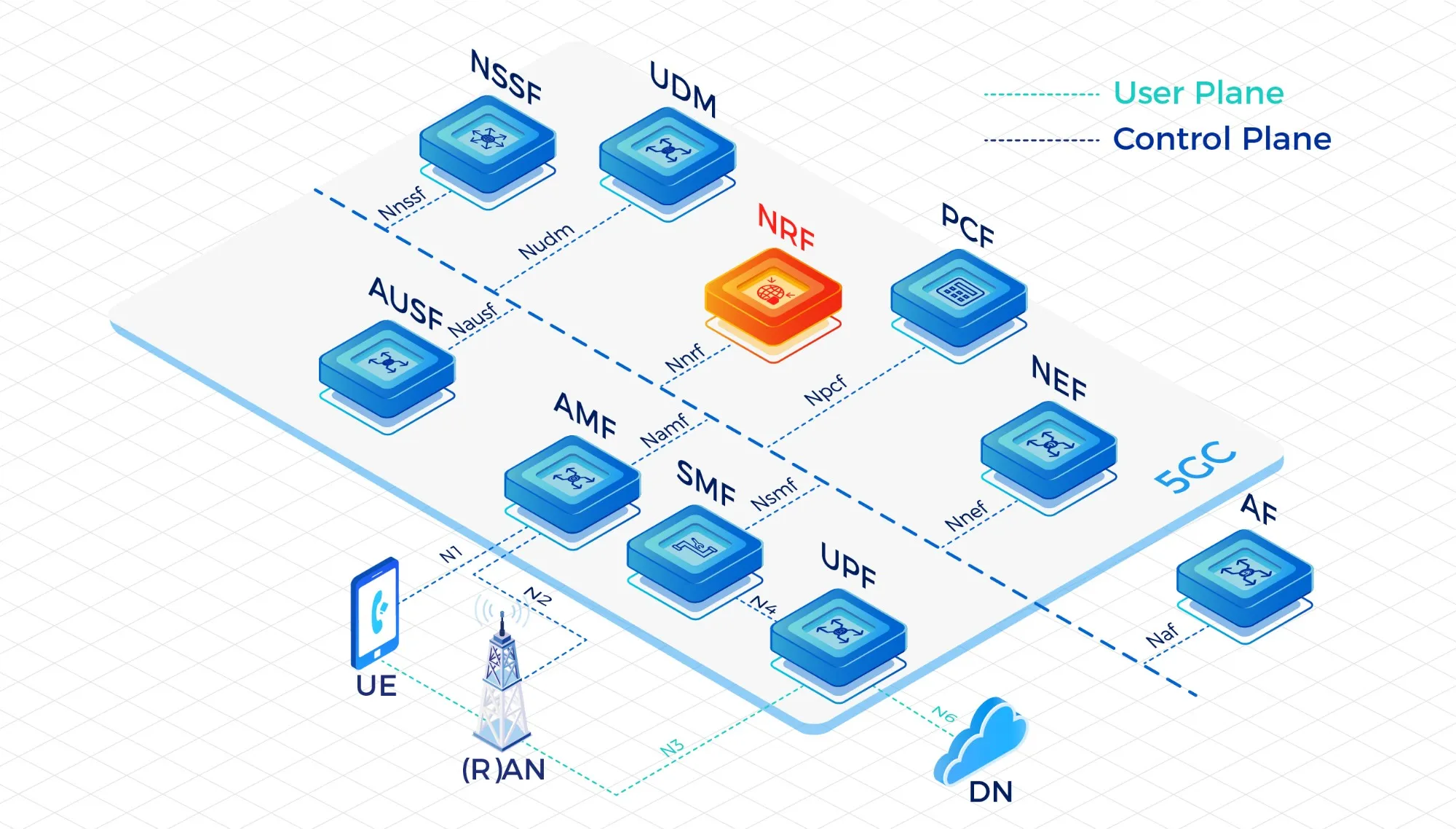
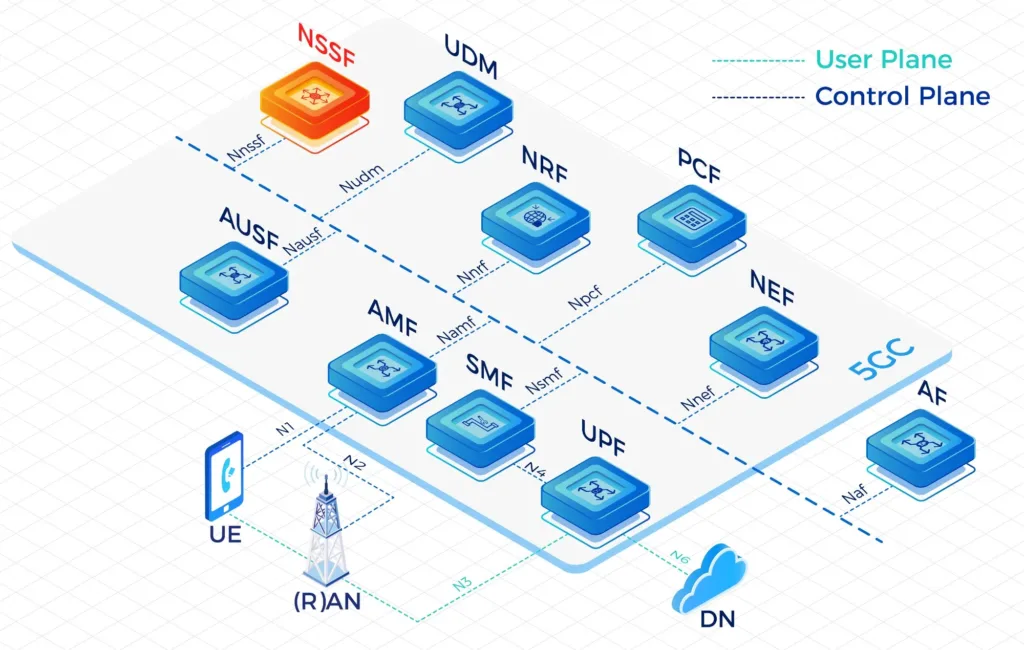
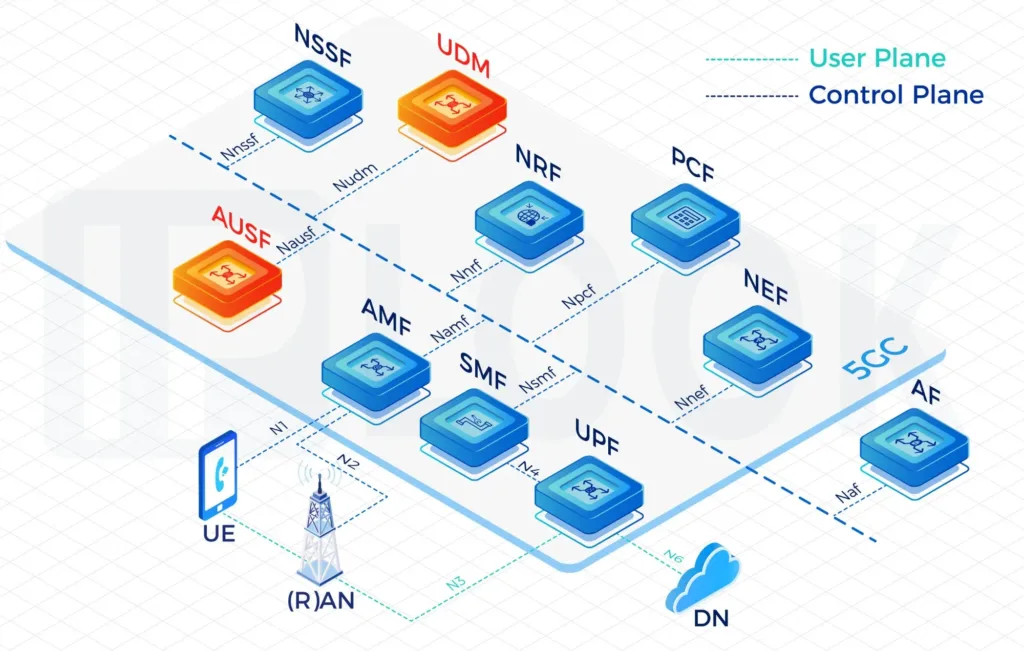
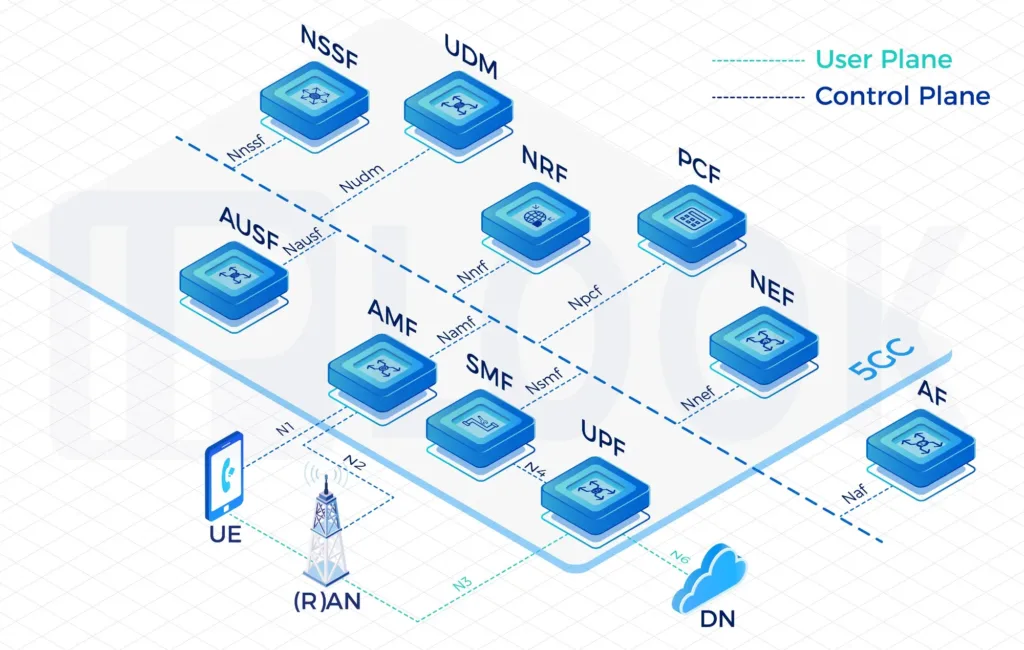
NRF, one of the network functions of the 5G core network(5GC). It supports the service discovery feature, which receives NF discovery requests from NF instances and provides information about the discovered NF instance (discovered) to another NF instance. Registration information includes NF type, address, service list, etc.
Perfect compatibility with third-party core network elements
Deployed on X86 COTS server, NFV platform and Cloud
Enabled for centralized or distributed data centers
IPLOOK's 5GC NRF
The 5GC NRF serves as the central management component within the service-oriented architecture. It provides service discovery functions and maintains NEF information, including availability and supported capabilities.
By enabling dynamic service discovery and network function registration, the NRF improves 5G core network flexibility, scalability, and interoperability among different network functions.
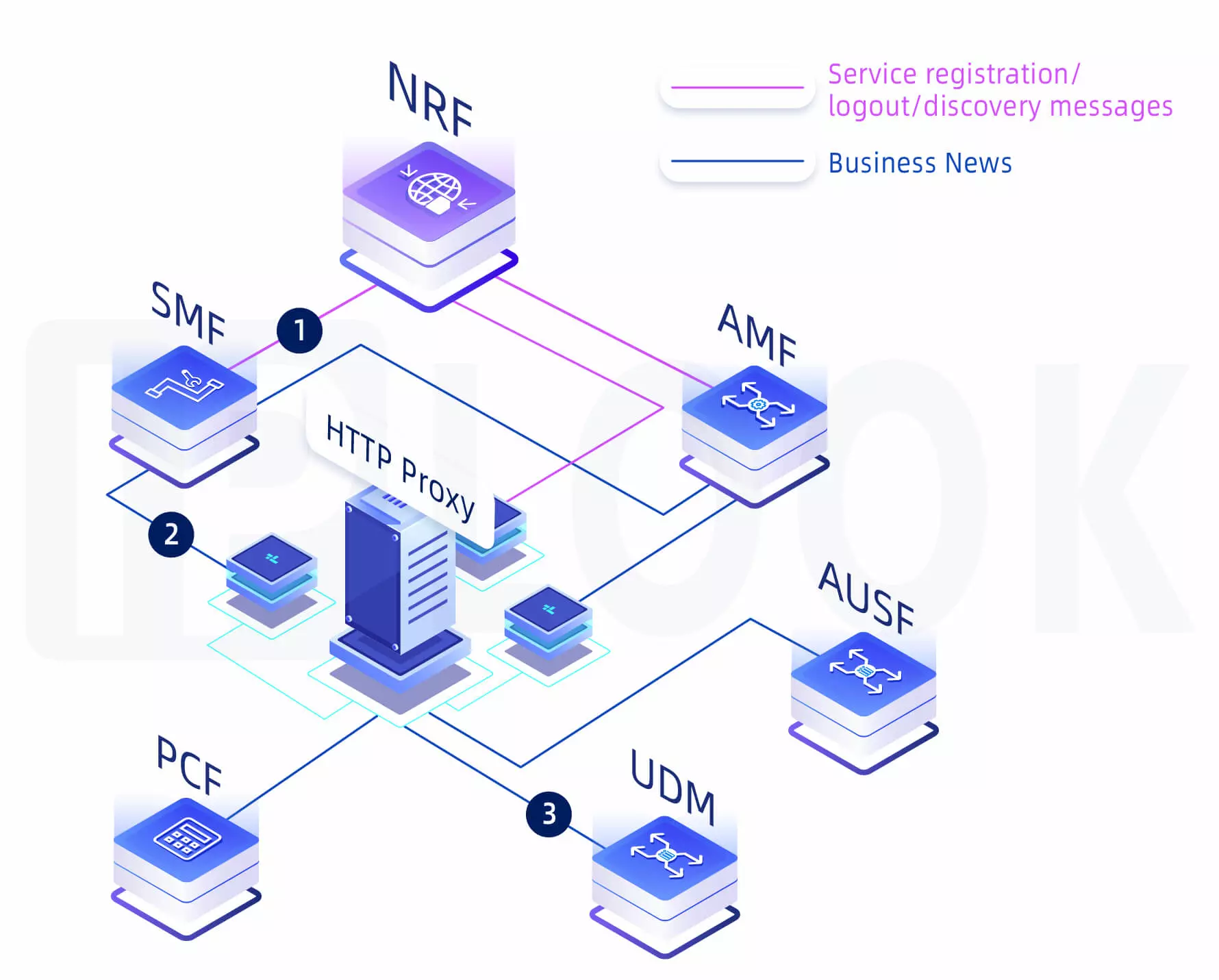
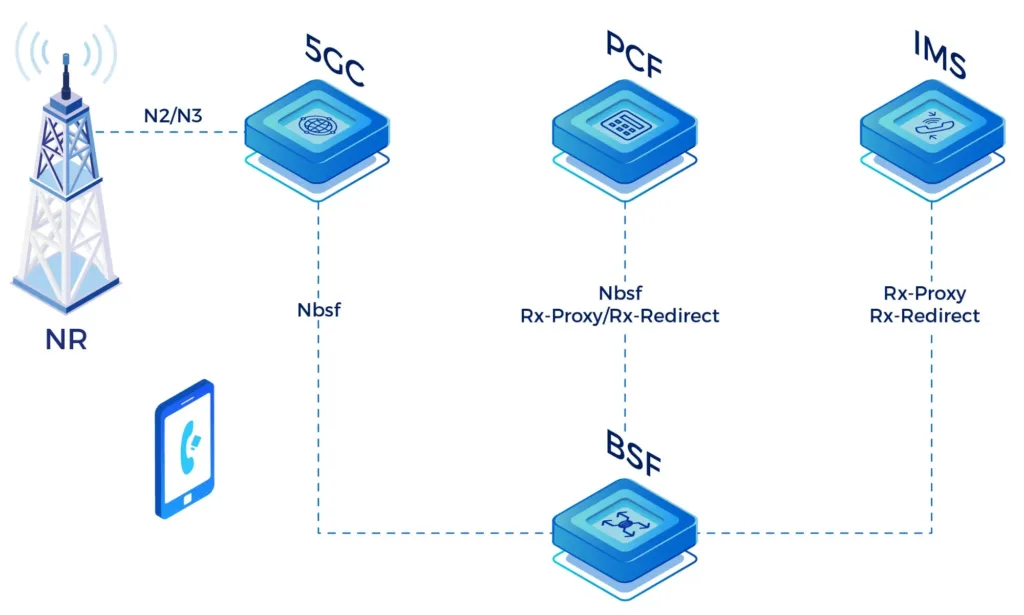
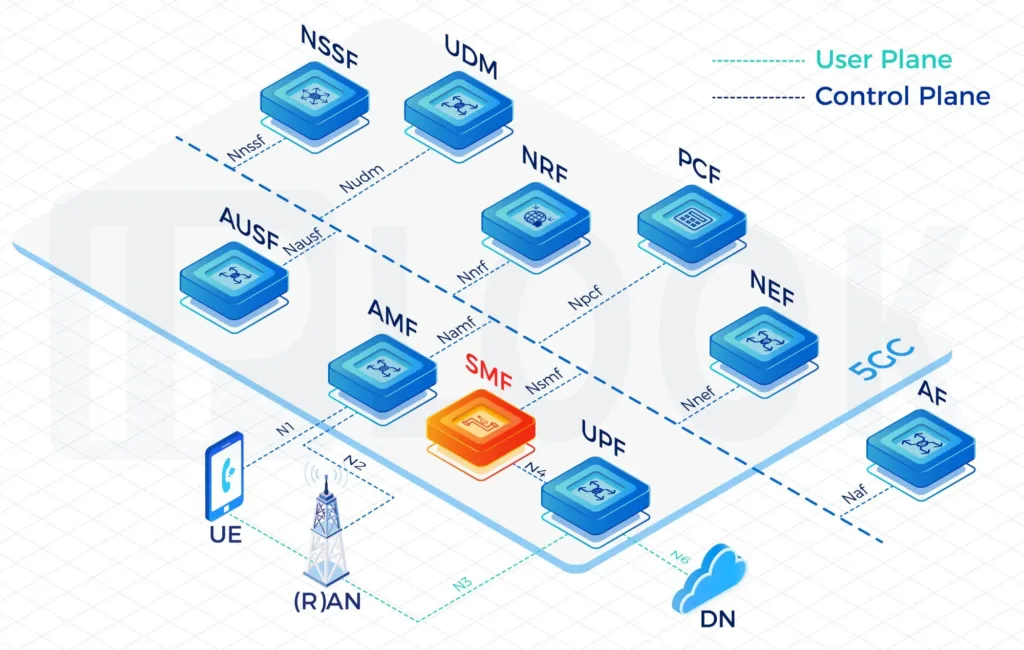
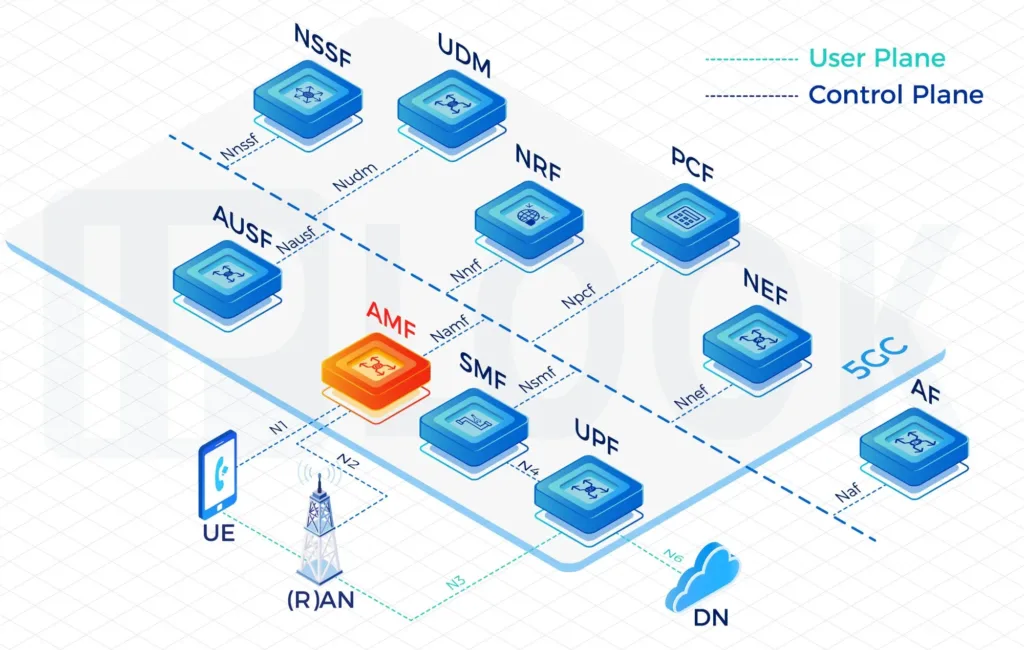
The NRF works in coordination with the HTTP Proxy to enable efficient 5G signaling routing. For services without subscriber-number association, routing is performed through the NRF—such as AMF locating and addressing SMF, similar to how DNS operates in 4G networks. For services associated with a subscriber number, routing is handled by the HTTP Proxy—for example, AMF accessing UDM or PCF, and SMF accessing UDM, PCF, or OCS.
Video Series
Features
Comply to 3GPP R15/R16 Standards
Interface Function
Web Server
N27 Interface
Nnrf Interface
Northbound Interface (RESTful API)
NF Management Service Function
NF Update
NF Register
NF Deregister
NF HeartBeat
NF Status Inform
NF Status Subscription/UnSubscription
NF Discovery Service Function
NF Discovery
Operation and Maintenance
SSH
Availability
KPI Management
Log Management
Fault Management
License Management
Configuration Management
Remote Operation and Maintenance
NF AccessToken Service Function
NF AccessToken
Open Northbound interface and graphical web based management interface
API
RESTful
FAQ
What is the Network Repository Function (NRF) in 5G Core?
The Network Repository Function (NRF) is a key component of the 5G Core Service-Based Architecture (SBA). It enables network functions to register, discover, and communicate with each other dynamically through standardized APIs.
How Does NRF Work in 5G Networks?
In a 5G Core network, each Network Function (NF) registers its services with the NRF. When another NF needs to communicate, it queries the NRF to discover available services based on real-time status, capability, and availability.
NRF Architecture and Key Interfaces
Nnrf_NFManagement
Nnrf_NFDiscovery
OAuth2 authorization
Key Features of IPLOOK NRF
Service registration, update, and deregistration
Real-time NF status subscription and notification
Dynamic service discovery across all 5G network functions
OAuth2-based service authorization
Full support for IPv4 / IPv6 dual stack
Designed for cloud-native deployment
Interoperability with 5G Core Network Functions
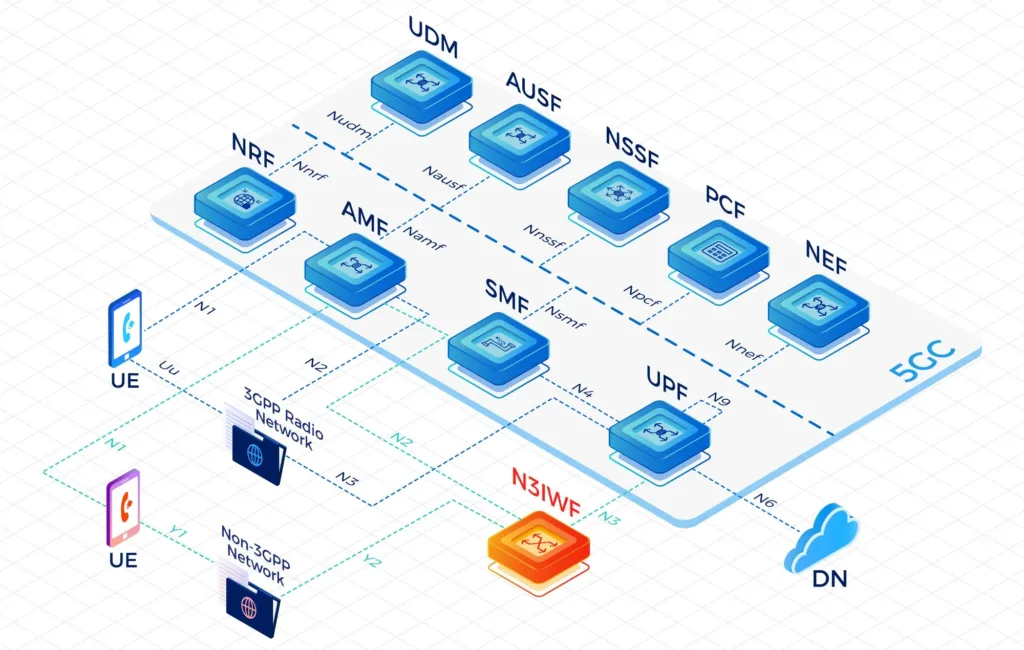
IPLOOK NRF supports seamless integration with all major 5G Core network functions, including AMF, SMF, PCF, UDM, AUSF, and UPF, ensuring full Service-Based Architecture (SBA) compliance.
High Performance and Scalable NRF Design
High transaction processing capability
Support for large-scale NF registration
Designed for carrier-grade deployments
Flexible Deployment Options for Different Network Architectures
IPLOOK NRF can be deployed in centralized, distributed, or hybrid architectures, supporting both core data centers and edge environments to meet different latency and scalability requirements.
Why NRF is Critical for 5G Network Evolution
A robust NRF enables operators to reduce signaling complexity, improve network efficiency, and accelerate service innovation. It is a foundational component for building scalable and cloud-native 5G Core networks.